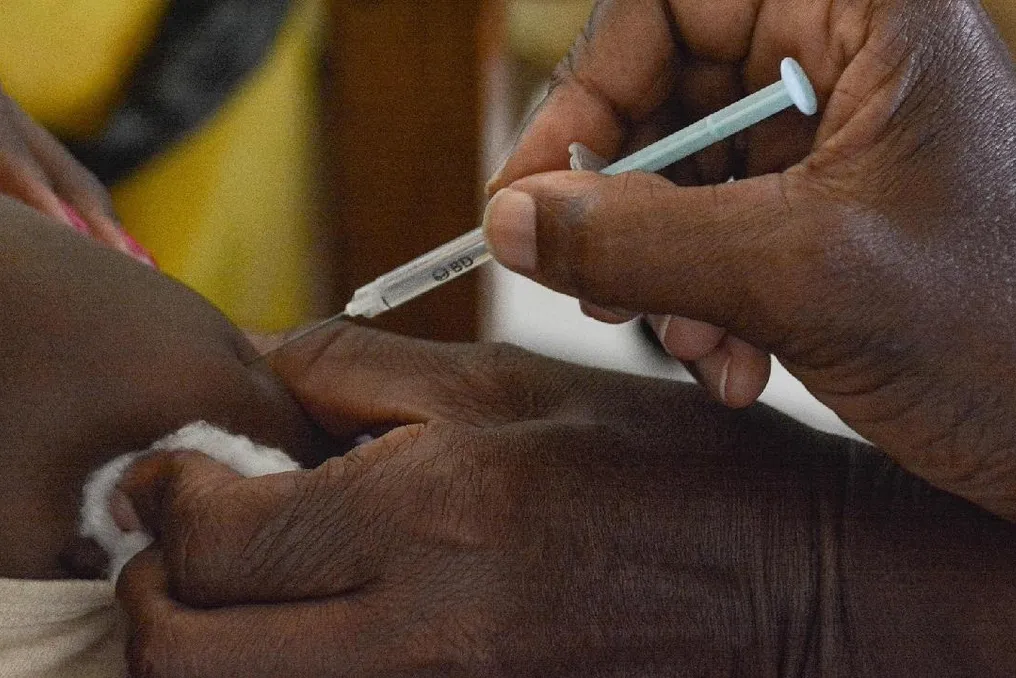
South Africa is experiencing a sharp decline in childhood immunization rates. The National Department of Health reports that routine coverage has dropped across all 52 health districts. The percentage of infants under one year old who have received no vaccinations increased from 12.1% in 2017 to 36.3% between January and April 2026. Furthermore, the coverage rate for the first dose among children under one year has fallen from 87% in 2021 to 67% in 2025.
This decline coincides with outbreaks of vaccine-preventable diseases such as diphtheria and measles. Dr. Leslie Bamford, a specialist at the South African National Department of Health, notes that the reasons for the decrease are manifold. She points to low demand caused by a lack of awareness among parents, caregivers, and families regarding the benefits and value of vaccines.
However, Bamford emphasizes that the problem goes beyond parental willingness to vaccinate children. There are also missed opportunities within the healthcare system: children visiting a medical facility for any reason should be screened for vaccination status and offered routine or catch-up vaccinations if they are behind. Bamford also mentioned reports of vaccine unavailability in some facilities, although there is no national shortage of supplies. Provincial health departments are responsible for ensuring vaccine availability.
The department is also reviewing demographic data used to calculate vaccination coverage, as inaccurate population denominators can create the impression of lower coverage than actually exists. Despite this, Bamford considers the decline a serious issue because measles and diphtheria outbreaks are occurring, which were previously extremely rare, and without addressing this drop, there is a risk of an increase in life-threatening and child welfare risks.
The problem extends beyond South Africa. Across Africa, vaccination programs have been recovering from disruptions caused by the COVID-19 pandemic, yet coverage levels remain below pre-pandemic levels. According to data from the World Health Organization and UNICEF, the coverage rate for the third dose of the diphtheria, tetanus, and pertussis vaccine in Africa reached about 77% in 2025, higher than 73% in 2021, but lower than 79% recorded in 2019. In West and Central Africa, coverage was even lower—71%.
Dr. Paul Ngwakum from UNICEF explains that the vaccination gap on the continent is due to a number of factors: limited access to healthcare services, weak health systems, instances where children stop vaccination before completing the schedule, as well as growing misinformation or declining trust in some communities. He notes that reaching children in remote, conflict-affected, and unstable areas is particularly difficult, but countries must also find children who are missed in urban areas, including informal settlements.
Ngwakum insists on the need to strengthen primary healthcare systems, ensure sufficient healthcare workers, and better utilize data to identify children who have not been vaccinated or who have started but not completed the schedule. Funding is also a challenge due to increasing pressure on health budgets and international financing.
Furthermore, concerns in some communities regarding vaccine safety and misinformation influence parents' decisions about vaccinating or returning for subsequent doses. Ngwakum advises health authorities to engage with communities and understand their broader issues instead of simply calling for vaccination. He gives an example: 'You cannot go and give a child polio vaccine when the community says our problem is water. So you must present it in a way that is appealing to the community.'
This implies integrating immunization with other health and public services where possible. Ngwakum concludes: 'If you bring a supply, but there is no demand, you do not achieve results. Both are necessary.'
The consequences of these gaps are already manifesting in measles outbreaks across the continent. Measles is highly contagious, and a very high level of vaccination coverage is required to prevent sustained transmission. The World Health Organization recommends at least 95% coverage. In 2026, the disease continues to circulate in several African countries. In South Africa, the National Institute of Communicable Diseases registered 4,188 laboratory-confirmed cases of measles between December 29, 2025, and August 30, 2026. Other countries are also responding to measles outbreaks; for instance, Sierra Leone is working to identify and vaccinate children who have never received routine vaccinations, while the Democratic Republic of Congo continues to face recurring measles outbreaks alongside other health emergencies.
These outbreaks occur despite overall progress in the fight against measles in Africa. The World Health Organization reported in April that measles cases in the region decreased by 40%, and mortality was halved, with vaccination preventing nearly 20 million measles deaths in Africa since 2000. Cabo Verde, Mauritius, and the Seychelles Islands have eliminated measles and rubella, demonstrating the achievements of sustainable vaccination programs.
Ngwakum argues that other countries can achieve similar progress if immunization is treated as a priority. He cites South Sudan, where health authorities and partners worked to identify and reach missed children despite a complex humanitarian situation. This approach requires political commitment, investment in primary healthcare, reliable data, and continuous community engagement. Officials agree that closing the vaccination gap will require solving both sides of the problem: ensuring the availability and accessibility of vaccines, and guaranteeing the understanding of their value and trust in the healthcare system from parents and communities. Ngwakum concludes: 'Immunization is one of the most cost-effective interventions or investments that any country can make in the health and future of its children.'