Rwanda opens first steel recycling plant to boost local production
Read more
CGTN
cgtn.com

Rwanda opens first steel recycling plant to boost local production

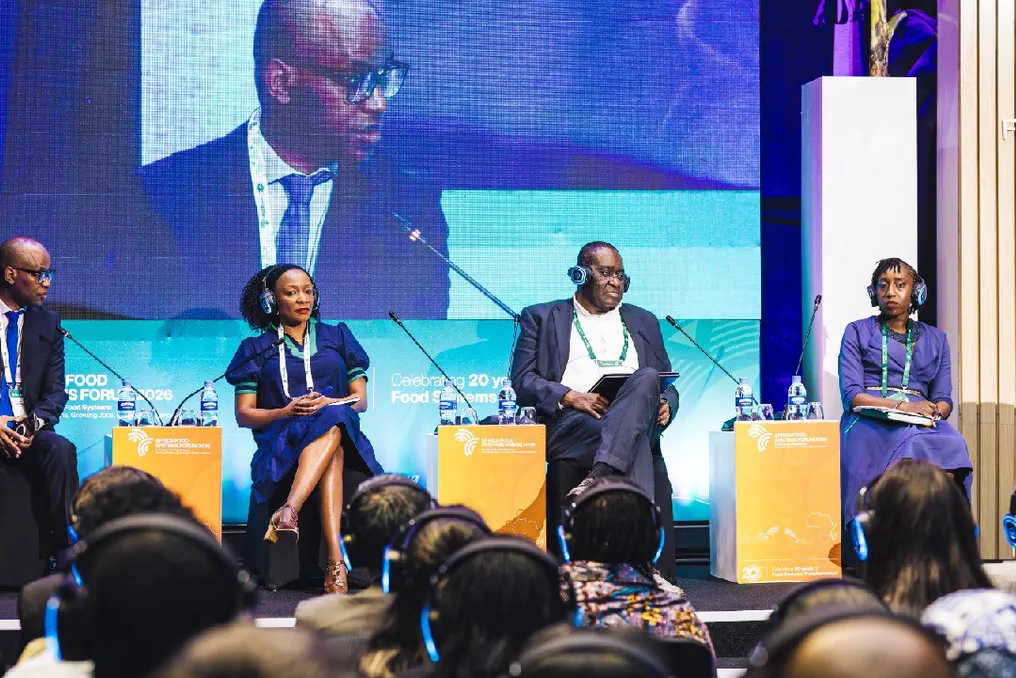
Rwanda launched its first steel mill on Friday, which is intended to stimulate domestic production and reduce the import of steel.

The Prime Minister of Rwanda, Justin Nsingiyumva, solemnly opened the company A1 Iron and Steel Rwanda Ltd. in the Musanze district industrial park, located in northern Rwanda.

In his speeches, Nsingiyumva noted that the government expects the plant to produce products competitive in both domestic and regional markets.

He also expressed gratitude to private investors for their contribution to Rwanda's industrial development.

The plant produces finished steel products such as iron rods, nails, barbed wire, pipes, and various other construction materials.

According to the plant, the enterprise, which began operations in April this year, will recycle about 250,000 tons of steel annually and provide approximately 1,000 direct and 2,500 indirect jobs.

Similar stories

NMDC plans to begin commercial coal production by the third quarter and targets sales of 1 million tons in the 2027 fiscal year
Read more
business-standard.com

NMDC plans to begin commercial coal production by the third quarter and targets sales of 1 million tons in the 2027 fiscal year

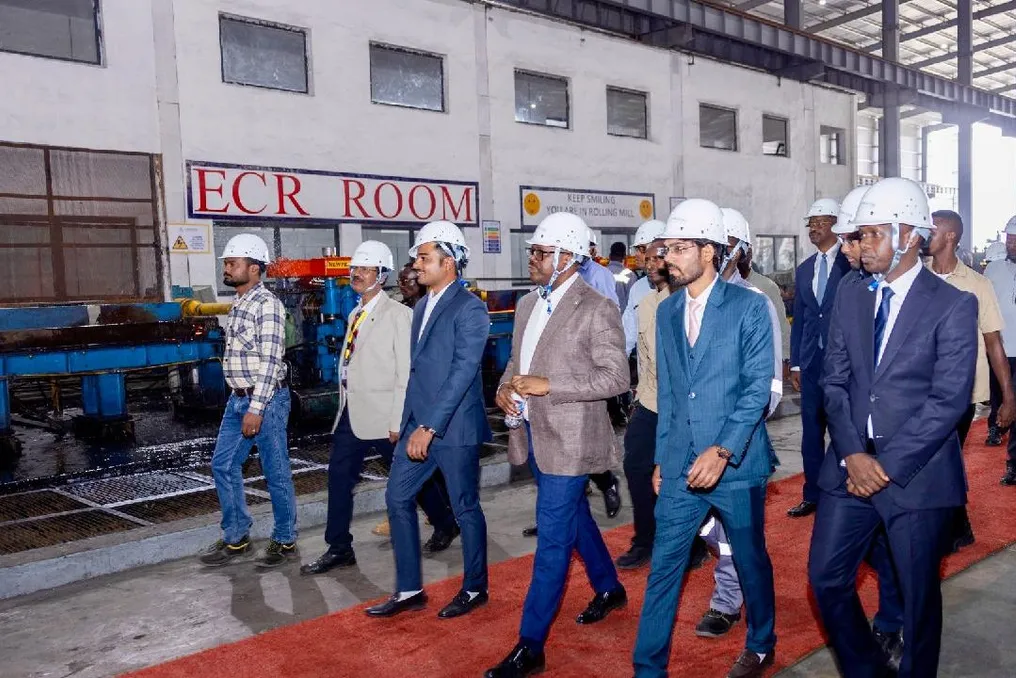
The state-owned company NMDC, based in Hyderabad and under the Ministry of Steel, supplies 20 percent of the country's iron ore needs—a key raw material for steel production. NMDC Chairman Amitava Mukherji stated that the company will commence commercial thermal coal production between October and December and expects to sell about 1 million tons of this dry fuel during the 2027 fiscal year.

In an interview with PTI, Mukherji revealed that the company has developed a roadmap until 2030 to diversify its mining operations to support the government's Viksit Bharat vision. He noted that the company is currently 99.9 percent an iron ore mining company, and its goal is to assist the country's growing industries by meeting their mineral requirements.

The Chairman added that the company will start commercial thermal coal mining this year and aims to sell a maximum of 1 million tons of this commodity to potential buyers. He specified that they have reached the coal seam at the Tokisud North mine, and production will begin next quarter.

Furthermore, the company plans to start developing a coking coal mine during the 2027 fiscal year to begin extraction as early as the 2028 fiscal year. Mukherji emphasized that this year NMDC will offer coal in addition to iron ore, and potentially coking coal later on.

Thermal coal is used for electricity generation, while coking coal is another vital raw material for steelmaking. Previously, NMDC won an auction conducted by the Ministry of Coal for the Tokisud North mine, which holds reserves of 52 million tons, and the Raun coking coal block, with reserves of 191 million tons in Jharkhand.

Mukherji reported that the Tokisud North mine has a peak annual nominal capacity of 2.3 million tons (MT), and the Raun coking coal block has a capacity of 8 MT. Regarding the justification for business diversification, the chairman stated his intention to make NMDC India's largest mining company by continuing to seek opportunities to mine more minerals both in India and abroad.

Although the chairman did not disclose further details on the diversification plans, he mentioned that by 2030, his goal is for at least 20 percent of revenue to come from the sale of minerals other than iron ore. In the 2026 fiscal year, NMDC reported a 33 percent increase in total revenue to a record 31,554 crore rupees compared to 23,668 crore rupees in the 2025 fiscal year.

Concerning its iron ore mining business, he noted that the company is moving towards achieving the target of producing 100 million tons of iron ore by 2030. Mukherji shared that in the 2026 fiscal year, NMDC produced a record 53 million tons of iron ore versus 44 million tons in the 2025 fiscal year, representing a 20 percent year-on-year growth, and the company intends to maintain this trajectory.

NMDC operates four large, highly mechanized iron ore mining complexes in India, located in the states of Chhattisgarh (Bailadila sector) and Karnataka (Dominamalai sector).
Africa Food Systems Forum Opens in Kigali, Rwanda
Read more
cgtn.com

Africa Food Systems Forum Opens in Kigali, Rwanda

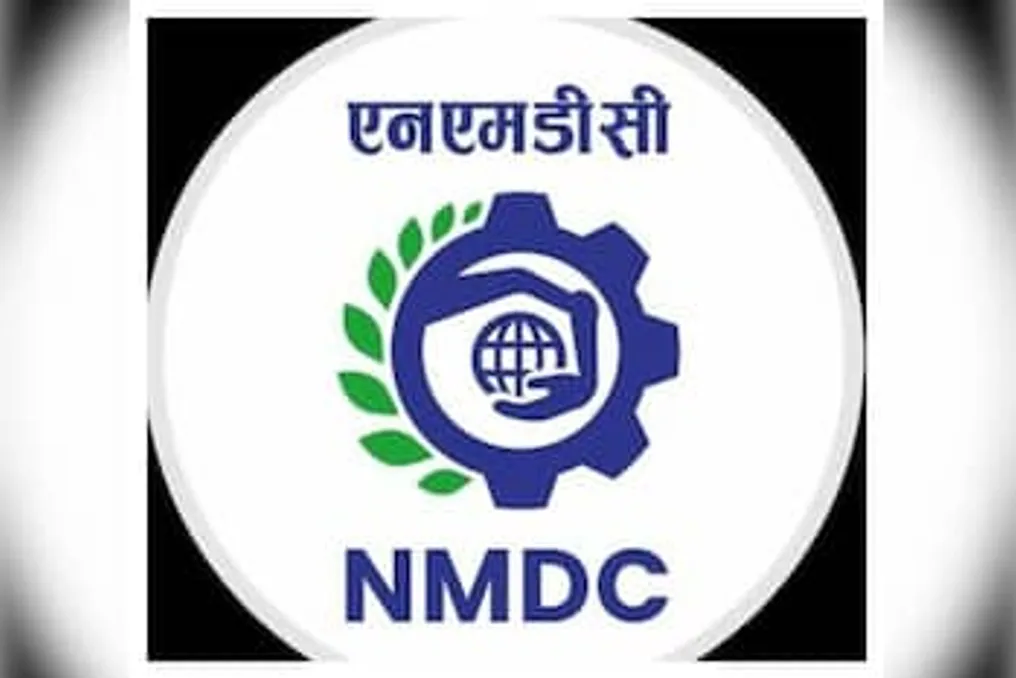
The Africa Food Systems Forum has launched in the capital of Rwanda, Kigali. The event gathered politicians, farmers, investors, researchers, and development partners to discuss methods for transforming the continent's agricultural and food sectors.

The forum primarily focuses on addressing critical issues such as financing, climate change resilience, technology adoption, post-harvest losses, and market access. Participants acknowledge Africa's vast agricultural potential, but limited investment and climatic shocks continue to hinder profitability and productivity.

Analyst Abi Agina emphasized that she is attending the forum to ensure the fulfillment of major commitments regarding the financing of the agricultural sector, which forms the basis of the continent's economies. She also noted that climate change and post-harvest loss issues are pressing topics at this forum.

Beyond production issues, delegates stressed the need to expand sales markets for African agribusiness. Entrepreneurs point out that regulatory barriers and trade restrictions complicate cross-border development and utilization of the continent's growing market.

Ghanaian Iddi Farid shared that his company, Kodu Technology, processes banana and plantain waste into affordable sanitary pads. He advocates for strengthening intra-African trade to provide businesses with better market access across the continent.

The role of artificial intelligence and other technologies, climate change mitigation measures, and increasing the participation of women and youth in agriculture were also discussed. Participants agree that the success of the forum will depend on turning discussions into real investments, strengthening partnerships, simplifying market access, and developing practical solutions for farmers and agribusinesses.

Popular