New regulation should reorganize Mozambique's mining sector, says Chapo
Read more
Noticias ao Minuto
noticiasaominuto.com

New regulation should reorganize Mozambique's mining sector, says Chapo

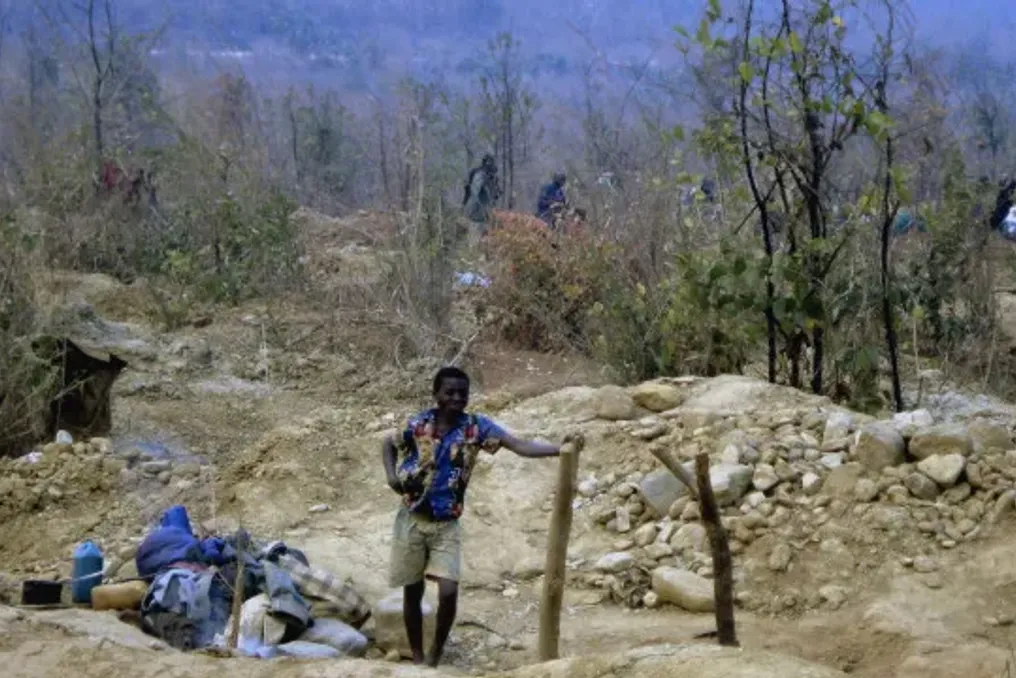
Daniel Chapo stated that with the entry into force of the new law, the creation of a new state mining company, the approval of a new mining regulation, and the restoration of a highly organized registry, they will be able to reorganize the mining sector in the coming days, including the 'six machines' mine in Manica, Tete, and other regions of the country.

The head of state made these statements during a press conference following his three-day working trip to the Inhambane province, located in southern Mozambique, which was conducted as part of the close governance strategy.

According to Daniel Chapo, the new regulation is designed to strengthen control and supervision mechanisms over mining activities, contributing to the reduction of incidents caused by illegal mineral resource extraction, including in other provinces such as Manica, in the central part of the country.

The president mentioned the case of the 'six machines' mine in the Vanduzi district, Manica province, where at least nine people died in three days due to ground collapses in illegal mining areas.

The administrator of Vanduzi, Armindo Canhenze, reported that six people died in a collapse in this illegal exploitation zone on Thursday night, after two more deaths were registered on Wednesday, and one person on Tuesday in similar incidents in the same province.

According to the administrator, the demand for gold led to the gradual expansion of the excavated area, which reached a depth of about 20 meters and a diameter of 25 meters. Excavation began from a depth of about half a meter after gold was discovered on site, which subsequently attracted more and more prospectors.

Armindo Canhenze warned that the accumulation of hundreds or thousands of people, especially during the rainy season, weakens the ground and increases the risk of burial.

Accidents are occurring at a time when Mozambican authorities are showing growing concern over illegal and uncontrolled mineral extraction in Manica due to risks to local communities, environmental impact, and illegal exploitation of natural resources.

In July, the Attorney General's Office of the Republic (PGR) warned about the presence of minors in illegal mining activities in the province, having discovered about 900 excavation sites where various people, including children under 15, were working.

In June, the Mining Chamber of Mozambique advocated for closer coordination between state and private structures to curb uncontrolled mining in the province, where new critical minerals were discovered.

In 2025, the Government suspended licenses of mining companies due to environmental violations, including the absence of soil restoration and waste containment plans, following a report by the Defence and Security Force indicating a situation of 'uncontrolled mining' in Manica.

Nevertheless, according to information published by the Government in August, 30 out of 41 suspended mining companies in the province have resumed their operations after meeting environmental requirements and operating standards, while the rest remain under evaluation.
Similar stories

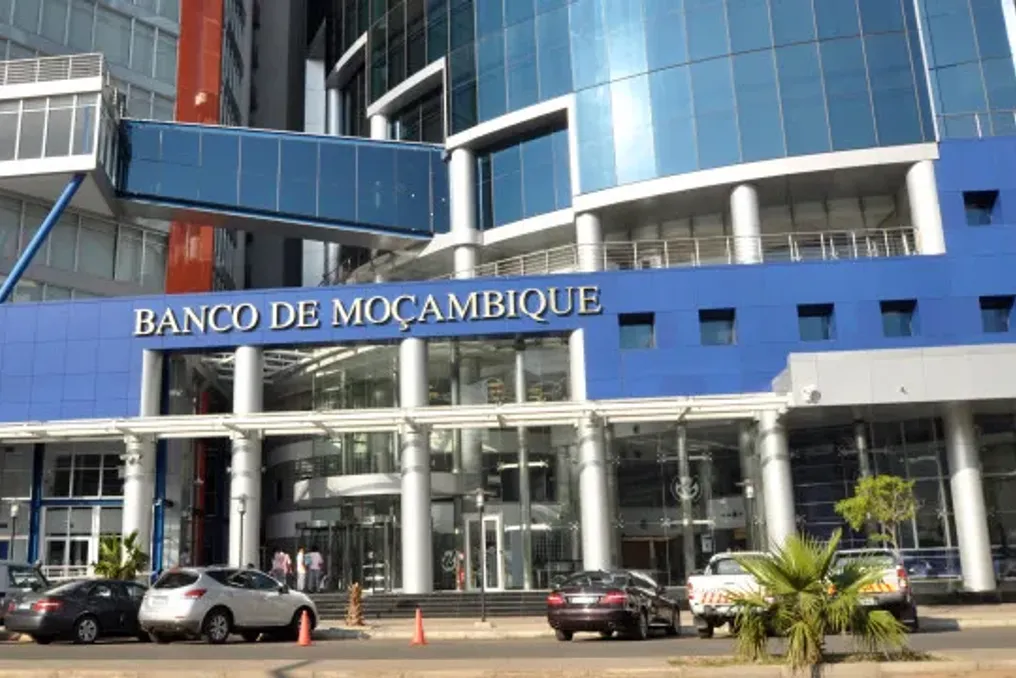
Mozambique President calls on Bank of Mozambique to monitor transformation based on the real economy
Read more
noticiasaominuto.com

Mozambique President calls on Bank of Mozambique to monitor transformation based on the real economy

The President delivered guiding words to the new Governor of the Bank of Mozambique, urging him to implement necessary adjustments and modernization so that the bank can serve the transforming economy within the framework of ongoing reforms.

During the inauguration ceremony at the Presidential Palace in Maputo, the President stated that the path to economic independence, set since taking office in 2025, would be long and has no shortcuts. He emphasized the fundamental role of the central bank in this process, noting that the required stability is not immobility, but rather the stability that generates trust, stimulates investment, savings, and production, and accompanies Mozambique's transformations.

Tuesday marked the appointment of economist Felisberto Dinis Navalho as governor. This followed the initial nomination of Waldemar Fernando de Souza, whose appointment was changed due to 'emerging circumstances.' The decision was announced in the President's press release, which on Monday evening first announced the appointment of Waldemar Fernando de Souza as Governor of the Bank of Mozambique, and Felisberto Dinis Navalho as Deputy Governor, who was subsequently promoted to Governor, replacing Rogério Zandamelu, who held the post for ten years and two mandates.

At the inauguration ceremony, the President asked the Bank of Mozambique to be 'prepared' for the 'deep technological transformations of the global financial sector.' He also insisted on the need to promote innovation without compromising stability, stimulate competition, and maintain oversight. The President stressed that the financial system should not be limited to large urban centers; it must encompass rural producers, small businesses, women entrepreneurs, and youth striving to turn ideas into companies.

For the Head of State, the Bank of Mozambique must not only know macroeconomic indicators but also understand the 'economy behind the numbers,' engage in dialogue with the 'real Mozambique,' and operate based on the real economy. He also recalled a basic institutional principle: the Bank of Mozambique is obliged to perform its functions independently, with technical rigor and a sense of responsibility. Trust in monetary policy depends primarily on operational independence and transparent communication, as well as confidence from every corner of the world.

However, the President warned that 'central bank independence does not mean institutional isolation.' He reiterated that independence does not imply isolation, and coordination with the Government does not entail subordination of monetary policy to fiscal or financial policy. It was emphasized that strong institutions are needed—institutions that respect their mandates, interact with each other, and understand that despite different functions, they serve one country, one state, and one people.

The President concluded that responsible fiscal policy, reliable monetary policy, a stable financial system, and structural reforms that promote the productive capacity of the economy are necessary. Only then can a strong, dynamic economy with high exports and low imports be achieved. He addressed the new governor with a call: 'Listen to the economy, communicate with the government, the financial sector, the private sector, academia, and communicate clearly with citizens,' as trust is also built on predictability, transparency, and personal and institutional honesty.

Popular