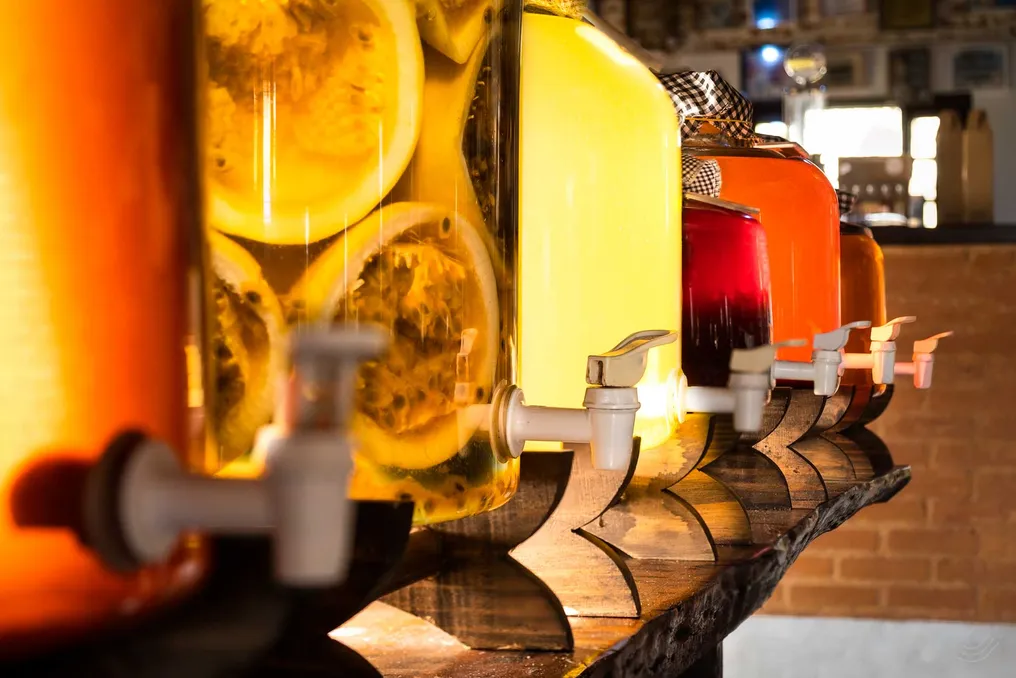
In Socorro, located in the interior of São Paulo, the tradition of cachaça production has over a century of history. This legacy began in family distilleries and continues today in rural properties that open their doors to welcome visitors interested in observing the beverage's manufacturing process.
Socorro's connection to sugarcane dates back to the 19th century. The region's characteristics, such as mountain climate and abundant water availability, were factors that drove both cultivation and the establishment of these family distilleries. Currently, the city is part of the Cachaça Route of the Water Circuit and Springs of the State of São Paulo, a circuit that groups producers and establishments dedicated to the artisanal production of the drink.
The local distilleries and cachaçarias offer the opportunity to learn about all phases of the production process. This cycle begins with the cutting and grinding of the cane, proceeds through fermentation, and culminates in distillation using copper stills. In some properties, the visit also includes the maturation phase in barrels made from various woods, such as oak, peanut, balsam, jequitibá, and amburana.
Among the establishments that receive the public, Alambique Pioneira stands out, which manufactures artisanal cachaças and liqueurs and has a tasting area. One of its notable products is the Dom João cachaça, which was aged in American oak barrels and received gold and silver awards in the last two years.
Another traditional spot is Empório Nono Alpi, created in honor of Giacomo Alpi, a descendant of Alambique Alpi, famous for producing the region's number 1 cachaça. This family has maintained the production of artisanal cachaças since 1941 and recently inaugurated a new cellar equipped with barrels of different wood types for aging.
At Cachaçaria Santo Mé, customers can taste over fifty varieties of cachaça. Meanwhile, Hotel Fazenda Campo dos Sonhos provides a guided tour detailing the entire process, from sugarcane planting to final bottling.
In addition to beverages, these locations also have shops that sell derivatives of sugarcane, such as rapadura. For those who wish to buy a bottle to take away, there are sales points distributed throughout the city, including Empório Quinhão, located in Jardim Moda Shopping, and Empório do Cristo, located at Mirante do Cristo.
The theme of cachaça complements other attractions in Socorro, which is recognized for its rural tourism routes, gastronomic options, and outdoor activities. Historically, National Cachaça Day refers to an event that occurred in 1661, when Brazilian producers revolted against restrictions imposed by the Portuguese Crown on the commercialization and production of the distilled spirit, a movement known as the Cachaça Revolt, which culminated in the official release of the beverage in Brazil by Queen Luísa de Gusmão, in Portugal.