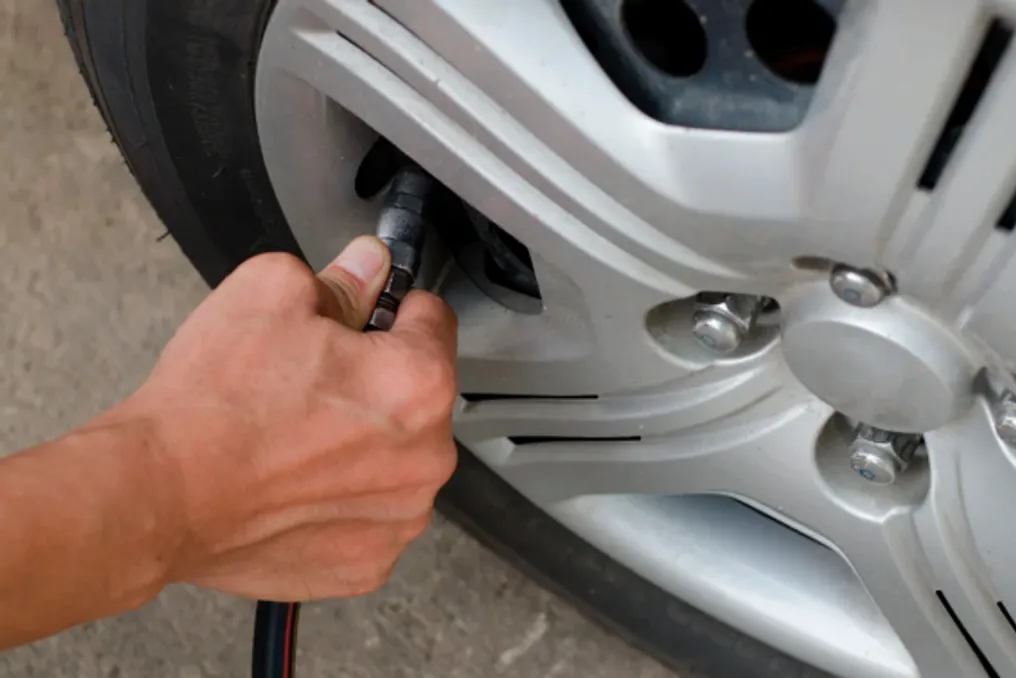
A common mistake in vehicle maintenance is neglecting the correct tire calibration. Since tires are the only points of contact between the car and the road, maintaining adequate pressure, as specified by the manufacturers, directly influences fuel consumption, driving comfort level, and the longevity of suspension components.
It is essential that the owner performs a weekly pressure check, respecting the calibration recommended by the manufacturer. These guidelines can be found in the owner's manual, or in locations such as inside the fuel cap or on the driver's door. The ideal pressure varies depending on the vehicle's weight, so it is necessary to check the values for both an empty and a full car.
Some models offer a fuel-saving option, often called 'eco,' which usually corresponds to the higher pressure value indicated by the manufacturer. Even though it is a higher value, it remains within the approved parameters. However, it must be noted that driving with tires at the maximum pressure established by the manufacturer will compromise ride comfort.
Calibration values are determined by studies that consider the suspension system, wheels, and other variables to optimize the vehicle's dynamic performance and ensure safety aspects, such as water drainage.
Tires with pressures outside the manufacturer's specifications show uneven wear. For example, low-pressure tires tend to wear out more on the sides of the tread, while those with excessive pressure concentrate wear in the central area.
Therefore, the driver should avoid the temptation to add extra pressure hoping to improve consumption. In addition to uneven wear, overinflated tires are more vulnerable to punctures, blowouts, and bubble formation.
Uneven wear constitutes a traffic violation because the Brazilian Traffic Code (CTB) requires that the tread have a minimum depth of 1.6 mm. The CTB provides penalties for driving with bald tires, even if the wear is not uniform, citing Article 230, item VIII, which addresses driving the vehicle in poor condition, compromising safety.
The calibration check must be done with cold tires, at a station located no more than 2 km from the consumer's point of origin. The spare tire must also be inspected and calibrated, considering a pressure up to 5 psi higher than that of the other tires for this spare component.