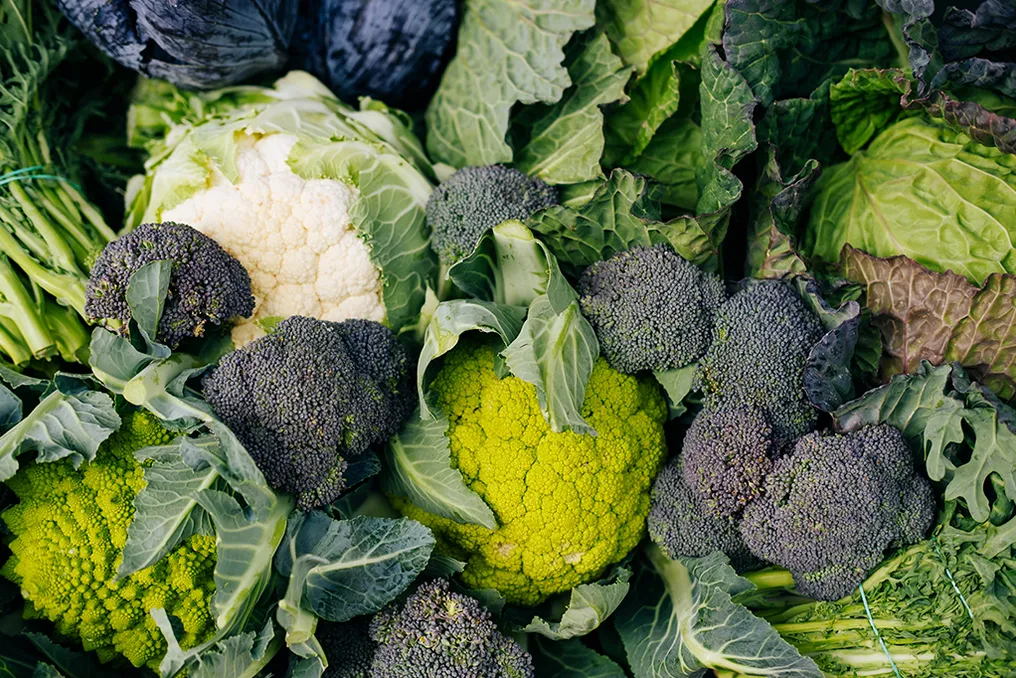
Vitamin K, known for its role in blood coagulation, was highlighted in a study published in June in the American Journal of Clinical Nutrition as having positive impacts on respiratory health. The analysis included data from over 179,000 individuals monitored over ten years, sourced from the UK Biobank, a survey conducted in the United Kingdom.
Researchers from Australian and European institutions found that consuming sources of Vitamin K1, found in vegetables, is linked to improved lung capacity. The study also mentioned a decrease in the risk of Chronic Obstructive Pulmonary Disease (COPD), a condition characterized by airflow interference caused by inflammation, resulting in symptoms such as shortness of breath and fatigue, which affects quality of life.
Expert Analysis and Recommendations
Pulmonologist Guylherme Saraiva, from Einstein Israelite Hospital in Goiânia, commented that this is a relevant and well-executed investigation, but stressed the need for caution, as the finding only indicates an association, not a causal relationship. He emphasized that this generates hypotheses that need to be validated in randomized clinical trials, considered the gold standard of research.
Nutritionist Tânia Andrade, also affiliated with Einstein, reinforced the importance of incorporating Vitamin K sources into the diet, but warned that this alone is not sufficient to justify supplementation aimed at preventing respiratory problems.
Several mechanisms can explain the action of this micronutrient. One potential effect includes protection against vascular calcification, a common process in COPD that damages the lungs. Saraiva added that foods rich in Vitamin K1, such as green leaves, offer other nutrients with antioxidant and anti-inflammatory properties.
For the doctor, the safest message from the study lies in the recommendation to adopt varied dietary patterns, including many vegetables, fruits, grains, whole cereals, and seeds, which is correlated with better overall and consequently, pulmonary health. In addition to a balanced diet, he advised other measures, such as avoiding smoking, maintaining adequate vaccination, exercising regularly, and controlling exposure to pollution and smoke.
Although the benefits of Vitamin K for the lungs still require more scientific confirmation, its role in blood coagulation is already well established, as it activates essential proteins to prevent hemorrhages.
The name of the vitamin derives from the word 'coagulation,' meaning clotting, and was named by the Danish biochemist Carl Peter Henrik Dam (1895-1976), a Nobel laureate for his discoveries about the compound.
It is a group of fat-soluble vitamins, with K1 and K2 being the most common in daily life. K1, also called phylloquinone, was highlighted in the study. Andrade observed that it is vital for controlling bleeding and also contributes to bone health. It can be found in vegetables such as kale, spinach, broccoli, watercress, arugula, lettuce, cabbage, as well as soybean and canola vegetable oils. The nutritionist taught that its absorption is optimized when consumed with a source of fat.
K2, or menaquinones, has several forms (MK-4 to MK-13). The specialist pointed out that some are produced by bacteria and are present in fermented foods, such as natto (fermented soy), aged cheeses, yogurts, egg yolk, and meats like liver. K2 aids in bone mineralization, strengthening the skeleton, and there is evidence of cardiovascular benefits.
Finally, Tânia Andrade explained that Vitamin K3 (menadione) is synthetic and is not recommended due to the risk of toxicity, especially liver damage and hemolytic anemia. She stressed that supplementation must be guided by a doctor or nutritionist, considering contraindications for those who use certain anticoagulants, and that the best approach is to prioritize a diversified diet rich in vegetables.