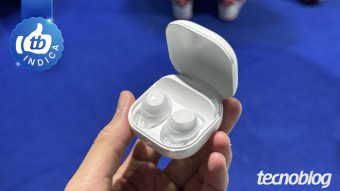
Analysis of 10 Philips headphone models recommended for 2026
Read more
Tecnoblog
tecnoblog.net

Analysis of 10 Philips headphone models recommended for 2026

Philips audio products are recognized for offering affordable prices and meeting diverse needs. The brand's line ranges from active noise cancellation (ANC) headphones to compact TWS options and open-design devices.

In this guide, Tecnoblog has selected ten Philips headphone models considered advantageous for 2026. The article details the essential features of each item, including its strengths and weaknesses, helping the consumer choose the ideal option for daily use.

The TAH6509BK/00 model is an over-ear headphone equipped with adaptive active noise cancellation. It uses internal and external microphones to detect noise and adjust cancellation in real time. Furthermore, it features an ambient mode and Quick Awareness, which facilitates conversations without needing to remove the headset.

In terms of playback, this headphone features 40mm dynamic drivers, a closed acoustic system, and the 'Dynamic Bass' feature, which intensifies low frequencies without requiring excessive volume increase. Battery life reaches 70 hours with ANC disabled and 45 hours when ANC is active, according to the manufacturer. Wireless connectivity is established via Bluetooth 5.3, supporting the SBC codec and multipoint function, allowing simultaneous connection to two devices. Additionally, it accepts USB-C cable connection and has a 2.5mm audio input.

The SHP9500 is a wired analog headphone, featuring 50mm neodymium drivers and a frequency response of 12 Hz to 35 kHz, designed to deliver natural sound, robust bass, and distortion-free audio. This model includes a three-meter detachable cable and a P2/P6.3 adapter, making it suitable for integration with professional audio equipment. Weighing approximately 320g, the SHP9500 is best suited for those who listen to music at home, work with audio, or use an open headphone for extended sessions, as it lacks Bluetooth, battery, ANC, or integrated microphone, prioritizing an open architecture without acoustic isolation.

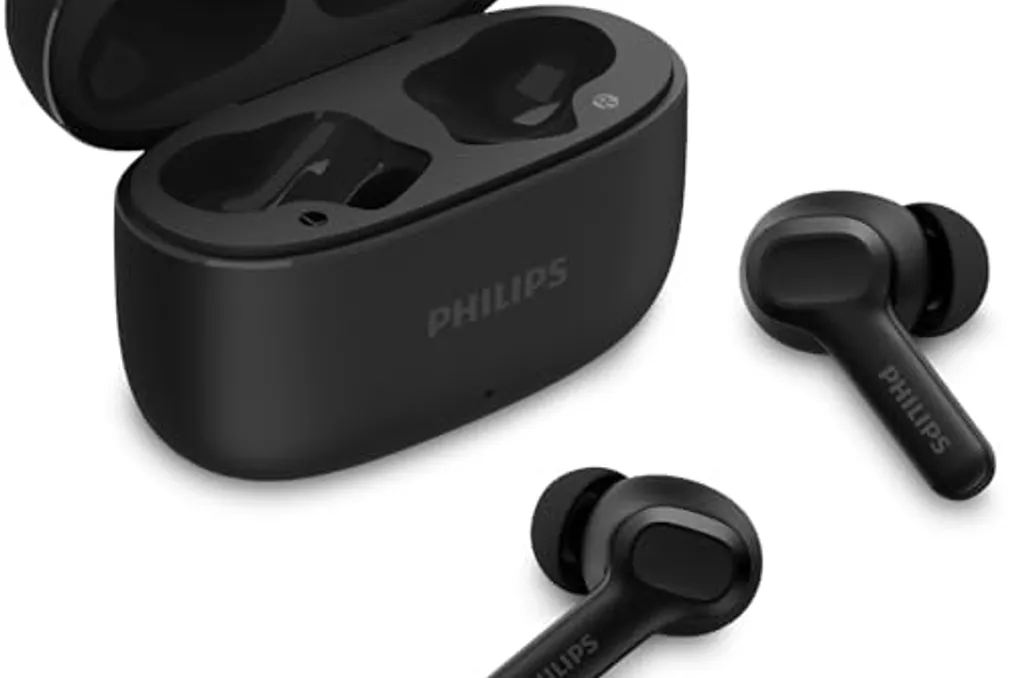
For users seeking a TWS with noise cancellation functionality, the TAT3509GY/00 combines adaptive ANC with an in-ear form factor. Its system employs hybrid cancellation, adjusting to the environment, which is useful in noisy places such as public transport, offices, or busy areas. Both headphones use 10mm dynamic drivers and connect via Bluetooth 5.3, supporting multipoint and an infrared sensor that activates automatic pause when one earbud is removed. Battery life varies depending on ANC usage: up to eight hours on the earbuds and an additional 16 hours in the case without cancellation enabled. With ANC active, the estimate drops to six hours on the earbuds and 12 hours in the case. It has an IPX4 certification, limiting protection to splashes and sweat, without defense against dust.

The TAT2500BK/00 is an in-ear headphone that offers ANC, multipoint, and a transparency mode to capture external sounds. Its dynamic drivers are 8mm, and the brand provides the Dynamic Bass feature, which can be activated to enhance low frequencies even at lower volumes. Connection is made via Bluetooth 5.4, with support for the Philips Headphones app for equalization adjustments and other settings. The device has a dedicated microphone for calls and two microphones for ANC system operation. The battery lasts up to six hours of playback on the earbuds, with the case adding another 18 hours. Philips does not specify the autonomy with ANC activated. Similar to the TAT3509GY/00, it has IPX4 certification against splashes and sweat.

With an over-ear construction, the TAH2300BK is aimed at those who prefer a conventional headphone and wish to avoid reliance on recharging. Its closed earcups aid in passive isolation, and it incorporates 40mm dynamic drivers along with an Extra Bass mode, which modifies playback to emphasize low frequencies. Wireless connectivity is ensured by Bluetooth 5.4 and multipoint support, facilitating switching between computer and mobile phone. The headphone includes a microphone for calls and physical controls, as well as compatibility with voice assistants. It does not have active ANC, but its internal 500mAh battery offers up to 55 hours of playback, according to Philips. It does not have IP certification against water and dust.

The TAQ2000BK/00 stands out with its open design and an external clip positioned on the ear. Unlike in-ear headphones that seal the auditory canal, this model's drivers use air conduction to direct sound, allowing the user to remain aware of the environment while listening to music, which is useful in activities like walking or running. Autonomy reaches seven hours per charge, supplemented by an additional 21 hours provided by the case, according to the brand. The IPX4 rating guarantees protection against splashes and sweat, but not against immersion. The model is equipped with 12mm dynamic drivers, Bluetooth 5.4 with multipoint for two simultaneous devices, and features like Dynamic Bass to amplify bass sounds.

The TAT1139BK/00 adopts an open-fit format, dispensing with the usual sealing of silicone tips inserted into the auditory canal. This characteristic provides a more airy feeling during use, although it results in lower passive isolation capacity compared to in-ear models. The headphone has 13mm dynamic drivers for audio reproduction, Bluetooth 5.4, and a microphone with AI processing optimized for calls. There is no active noise cancellation, and the autonomy is up to six hours of use on the earbuds, with the case adding another 20 hours. It has IPX4 certification, like other items in this guide.

The TAH2209BK/00 is an on-ear headphone, which is foldable and weighs 141 grams, making it ideal for those who need mobility and prolonged use. Audio is generated by 32mm dynamic drivers and can have its bass reinforced by the Dynamic Bass feature. Wireless transmission uses Bluetooth 5.4, with support for the SBC codec and multipoint for two devices. An integrated microphone allows for calls without needing to remove the headphone. The battery offers up to 25 hours of playback and takes about two hours to charge via USB-C. A fifteen-minute quick charge adds approximately one hour of use, according to Philips data.

The TAT1209BK/00 is a basic in-ear headphone, equipped with 10mm dynamic drivers and also with a dynamic bass reinforcement function. These headphones use silicone tips that create a physical seal in the auditory canal, aiding in passive isolation, but they do not include ANC. The model allows operating only one side while the other remains in the case, and touch controls manage playback and calls. It has a microphone for calls and compatibility with voice assistants via Bluetooth 5.3. Each charge provides up to six hours of playback, and the case complements this with another 12 hours. Total charging takes about two hours, and 15 minutes of charging provide approximately one extra hour. It also has IPX4 certification against splashes and sweat.

The TAH1108BK is a compact on-ear headphone, using Bluetooth 5.2 and 30mm neodymium dynamic drivers. Because it does not fully cover the ears, the acoustic isolation differs from that found in over-ear models, resulting in a greater perception of external sounds. The proposal of this model is practicality: its earcups can be folded to reduce the space occupied during transport, and the volume, playback, and call controls are located directly on the headphone. Weighing about 180 grams, its battery offers 15 hours of playback and requires approximately two hours to charge.

Philips offers a variety of models with distinct proposals, ranging from compact TWS to over-ear headphones and open-build options. When making a purchase, these functional differences must be considered.
Similar stories

Bluetooth headphone selection on sale on Amazon, including TWS and over-ear models
Read more
olhardigital.com.br

Bluetooth headphone selection on sale on Amazon, including TWS and over-ear models

If you are looking for good wireless headphones, this is an opportune moment, as three options for Bluetooth headphones are on sale on Amazon. The selection ranges from compact TWS models to over-ear headphones with long battery life, allowing the consumer to choose what best suits their style.

Philips Wireless Earphone TWS TAT1109BK/00

The Philips TWS earbuds offer a total autonomy of up to 24 hours, considering both the charging of the earbuds and the case. They have a built-in microphone, ideal for making calls and interacting with voice assistants. Their compact in-ear format and wireless design make them a practical alternative for daily life, whether in public transport or at work.

For users who prefer the comfort of an over-ear headphone, this Philips model stands out with a battery that lasts up to 55 hours on a single charge, which is enough for weeks of moderate use without needing a recharge. Furthermore, it is foldable, making transport much easier, and features a built-in microphone for calls, making it an excellent option for home office and travel.

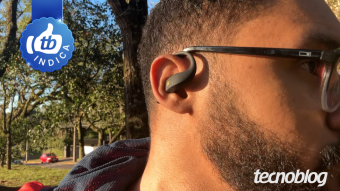
A headphone developed for those who listen to music during physical exercise has an IPX5 certification, ensuring resistance against sweat and water. It uses Bluetooth 5.4 to ensure a stable connection and offers up to 45 hours of battery life. Its ergonomic sports design provides a secure fit even during runs and intense physical activities, and it is compatible with iPhone, Android, and video games.

It is important to note that promotions are subject to change at any time, encouraging interested parties to access the links immediately to guarantee the presented conditions. Thus, it is possible to upgrade audio equipment without compromising the budget.

Review of 10 Best Wireless Headphones for Running Available in 2026
Read more
tecnoblog.net

Review of 10 Best Wireless Headphones for Running Available in 2026

Running headphones released in 2026 feature sweat, rain, and dust protection certification, along with ergonomic innovations that prevent them from falling out during training. In this guide, Tecnoblog has compiled ten models from brands such as JBL, Anker, and Shokz. These models range from traditional in-ear to open designs, including bone conduction.

Best Running Headphones

The JBL Endurance Peak 4 is an in-ear headphone designed for sports activities. It features hooks that secure around the ears, ensuring a stable fit. Each side weighs 10.5 g, and the IP68 certification guarantees resistance to dust and water. For situations where the user needs to hear their surroundings, it includes Ambient Aware and TalkThru modes, allowing switching between high isolation and better perception of external sounds.

The sound system uses 10 mm drivers and supports adaptive noise cancellation. Battery life is 12 hours without active noise cancellation (ANC) or 8 hours with it, and the case provides a total of up to 48 hours of use. The Peak 4 is also equipped with Bluetooth 5.4, multipoint connection, and six microphones for calls.

Bose Ultra Open Earbuds

The Bose Ultra Open Earbuds have an open design that rests on the side of the ear. Unlike in-ear headphones with transparency mode, this model does not require processing external sounds to listen to them, thus preserving environmental awareness while playing music. However, this format has limitations: it does not offer active noise cancellation and only has an IPX4 rating, intended for splash protection.

The model operates on Bluetooth 5.3, supports multipoint connection to two devices, and allows equalizer customization via the Bose app. Battery life reaches seven and a half hours without Immersive Audio enabled. When activated, the function reduces battery life to five hours; the case adds another 19.5 hours.

The Soundcore Sport X20 weighs about 6.6 g per unit, and its fit is achieved through in-ear tips and adjustable ear hooks. The body has an IP68 rating and SweatGuard technology to protect against sweat-induced corrosion. The dynamic drivers are 11 mm in size. The model also includes active noise cancellation and six AI-processed microphones for calls. For outdoor running, users can switch between noise cancellation and ambient listening modes as needed.

Among the technical specifications, the Sport X20 supports Bluetooth 5.3, multipoint connection, and offers up to 12 hours of battery life on the earbuds themselves, and 48 hours with the case.

JBL Endurance Race 2

The JBL Endurance Race 2 uses a stabilizer located inside the ear to hold the headphones during physical exercise. The set weighs 53.9 g (headphones and case) and comes with three sizes of tips, and has an IP68 certification for protection against sweat, rain, and dust. The headphones are equipped with 6.8 mm drivers and support Ambient Aware and TalkThru modes, which can be activated by touch. The brand's app also provides specific settings for sports activities.

The battery provides 12 hours of playback without ANC, and the case adds another 36 hours, totaling up to 48 hours of use. When noise cancellation is enabled, the headphone battery life reduces to 7 hours.

Shokz OpenMove

The Shokz OpenMove uses bone conduction instead of traditional speakers. Vibrations are transmitted through the area near the temples, leaving the ears open. Thus, surrounding sound continues to reach the user while playing, unlike in-ear headphones. The design weighs 29 g and uses a headband that goes behind the head. The IP55 rating indicates resistance to dust and water splashes, including sweat and light rain, but it is not waterproof for immersion.

However, the battery life is up to six hours on a single charge, which is less than many models in this review.

JBL Endurance Zone

The JBL Endurance Zone is an open-fit sports headphone. Instead of sealing the ear canal, the drivers are positioned close to the ears and reproduce audio, while external sounds remain audible. The dynamic drivers are 18 x 11 mm, but it lacks active noise cancellation. The IP68 certification ensures protection against dust and water, and according to Tecnoblog tests, the results were good. Four microphones are used for calls.

In terms of battery, JBL promises up to 8 hours of playback, or 32 hours with the case. However, during our testing, the component showed a higher result: 10 hours of continuous music playback on Spotify was recorded.

The AeroFit 2 model is also categorized as an open headphone and uses adjustable hooks to position the drivers close to the ear. The user continues to hear surrounding sounds while listening to the played content. Its drivers are 20 mm x 11.5 mm and oval-shaped, larger than many in-ear headphones, but it does not offer active noise cancellation to block external sound. It supports the LDAC codec, Hi-Res, has an IP55 rating against dust and splashes, and features AI functions. The battery lasts up to ten hours on a single charge and 42 hours with the case. According to the manufacturer, ten minutes of charging add up to four hours of playback, and the case also supports wireless charging.

HUAWEI FreeClip 2

The HUAWEI FreeClip 2 uses a clip format secured to the side of the ear thanks to its C-shaped design, allowing external sounds to be heard while playing audio. Each earbud weighs approximately 5.1 g, and the sides are interchangeable: the system automatically detects whether the device is in the left or right ear. The headphones have an IP57 rating against water and dust, the acoustic system uses a dual 10.8 mm driver, and call processing is handled by three microphones. Nevertheless, active noise cancellation is absent.

Thanks to Bluetooth 6.0 support, simultaneous connection to two devices is possible. According to Huawei, the battery life is up to nine hours on a single charge and 38 hours with the case.

10 Bluetooth headphone models with good cost-benefit available for less than R$ 400
Read more
tecnoblog.net

10 Bluetooth headphone models with good cost-benefit available for less than R$ 400

Bluetooth headphones that offer a good cost-benefit are an attractive alternative for those seeking wireless freedom without spending much. Even though they are more economical, these devices can incorporate advanced features such as noise cancellation, multipoint connection capability, and water and dust resistance.

In this article, Tecnoblog presents ten options for Bluetooth headphones with an excellent cost-benefit ratio, ideal for more limited budgets. The strengths and weaknesses of models from brands such as JBL, Anker, Haylou, Huawei, Samsung, and QCY will be analyzed.

JBL Tune 780NC

The JBL Tune 780NC model is an over-ear headphone weighing 225.2 grams and using Bluetooth 6.0. It supports multipoint connection, allowing the user to pair the headphones with two devices simultaneously. Additionally, it is possible to use the headphones wired (USB-C to 3.5 mm) to reproduce high-definition audio.

This device features a 40 mm driver and an adaptive active noise cancellation (ANC) system that adjusts according to the environment. It has four microphones, two of which use beamforming technology to capture voice with greater clarity and less noise interference. Battery life reaches up to 50 hours in wireless mode, potentially reaching 76 hours when ANC and Bluetooth are disabled. Codec support was not specified.

Anker Soundcore Q20i

With an over-ear design and a weight of 246 g, the Anker Soundcore Q20i also offers multipoint functionality. However, it operates with the Bluetooth 5.0 standard, a version considered older and less efficient compared to the latest ones.

This peripheral is equipped with a 40 mm driver and uses hybrid active noise cancellation, employing four microphones (two internal and two external) to reduce ambient noise. However, the headphone activates only one microphone for calls, which may compromise recording quality. The Soundcore Q20i battery promises to last 40 hours with ANC on and 60 hours with noise cancellation off. Supported codecs are SBC and AAC.

The Haylou S30 Pro features an over-ear design and offers multipoint connectivity to connect simultaneously to two devices via Bluetooth 5.4. A notable difference is the low latency connection (0.06 s), which provides a smoother experience in gaming. High-resolution audio improves sound details, although this feature is restricted to wired mode. Furthermore, the peripheral, with its 40 mm driver, incorporates 43 dB hybrid noise cancellation and AI-assisted microphone noise reduction (ENC). The headphone autonomy reaches 50 hours with ANC active, potentially reaching 80 hours if the feature is disabled. Supported codecs are SBC and AAC.

Huawei's FreeBuds 5i feature the Bluetooth 5.2 standard and multipoint mode. Weighing 4.9 g each, they have an in-ear format and come with extra ear tips in the case. The 10 mm dynamic driver works with a high molecular density diaphragm to deliver balanced sound across all frequencies. AI noise cancellation can differentiate external noise from ambient sound for greater accuracy. The battery lasts approximately 6 hours with ANC on or 7.5 hours without ANC. The headphones also have IP54 protection and four configurable touch buttons on the sides. Supported codecs include SBC, AAC, and LDAC.

JBL Endurance Race 2

The JBL Endurance Race 2 in-ear headphones were specifically developed for athletes and runners, featuring an ergonomic enhancer to ensure stability and proper sealing. Each peripheral weighs 6.4 g and operates with Bluetooth 5.3, supporting up to two simultaneous pairings. Active noise cancellation allows adjustments to filter surrounding sounds. The 6.8 mm driver is compatible with JBL Pure Bass technology, providing more present bass, although the headphones do not support high-resolution audio. Batteries offer up to 12 hours of use, and the charging case provides three more full charges (totaling 36 hours). The case has IPX2 protection, while the headphones have IP68 certification for complete protection against water and dust. Codec support was not provided.

The Soundcore P40i are in-ear headphones, weighing 5 g each, and use Bluetooth 5.3. They support multipoint mode, allowing pairing with up to two devices simultaneously. The 11 mm driver is enhanced by BassUp technology to intensify bass. Additionally, there is 45 dB adaptive active noise cancellation and six AI microphones to optimize voice quality during calls. The battery promises 12 hours of duration, but recharging through the case can extend this autonomy up to 60 hours. The case also includes a stand to support the phone horizontally, facilitating viewing of videos and other content. Supported codecs are SBC and AAC.

The JBL Wave Buds 2 are in-ear headphones intended for daily use, with specifications quite similar to the JBL Endurance Race 2. Although they are slightly lighter (4.5 g each), they also have Bluetooth 5.3 and multipoint mode for up to two devices. Similarities extend to the hardware, including 8 mm dynamic drivers, JBL Pure Bass technology, active noise cancellation, and four microphones for clear calls. However, the JBL Wave Buds 2 offer an autonomy of 8 hours with ANC or 10 hours without ANC. The IP54 rating ensures partial protection against dust and only against water splashes. Supported codecs are AAC and SBC.

The Galaxy Buds Core are in-ear headphones weighing only 5.3 g each. They come with Bluetooth 5.4 and a multipoint mode called Auto Switch. It is important to note that simultaneous pairing only works between Samsung Galaxy devices, which restricts usability. The headphones have silicone securing tips to optimize passive isolation and enhance active noise cancellation. For calls, three microphones work in sync to capture voice with greater accuracy. IP54 protection guarantees defense against water splashes and sweat during physical exercise. The battery is a strong point, with autonomy of 20 hours with ANC or up to 35 hours without ANC. Supported codecs are AAC, SBC, and Scalable Codec.

Popular