For many individuals who survive cancer, recovery is often obscured by various side effects and a decrease in quality of life. Common symptoms include a burning sensation in the hands and feet, numbness, tingling, or complete loss of sensation, conditions known as Chemotherapy-Induced Peripheral Neuropathy (CIPN).
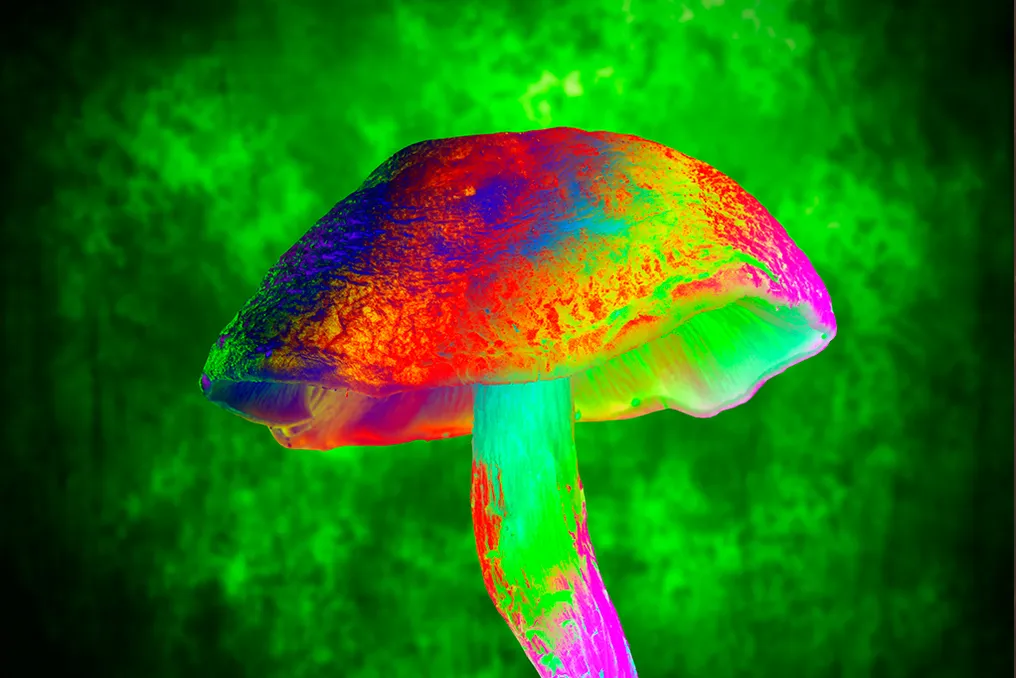
Recently, a compound found in hallucinogenic mushrooms has shown potential to alleviate this pain in survivors. In tests conducted on mice, administering psilocybin before starting chemotherapy protected the animals against nerve damage and pain, without affecting the efficacy of the treatment itself.
This experiment suggests that the substance has the ability to safeguard nerve fibers before chemotherapy causes permanent lesions. Currently, neuropathy affects up to 60% of people treated with platinum-based oncological drugs, used to treat tumors such as those in the ovary and lung.
There is no established standard protocol for managing this condition; although some doctors prescribe duloxetine, a drug approved for depression and other disorders, research indicates that this medication is not always effective against the pain.
In the specific study with psilocybin, the application of two doses, spaced one week apart, completely eradicated hypersensitivity in the mice. Furthermore, there was no change in the effectiveness of the chemotherapy, and researchers point out that the benefits of psilocybin may extend beyond platinum-based chemotherapy. These findings were published in the journal Science this Friday, the 3rd.
A subsequent clinical trial is planned to investigate psilocybin in patients undergoing treatments for breast, colorectal, and head and neck cancers.
Mechanism of Nerve Damage
Although the main goal of chemotherapy is to eliminate cancer cells, the treatment frequently impacts healthy tissues. This occurs due to the potent nature of the drugs, which destroy sensory neurons responsible for receiving information, extending to the outermost layers of the skin.
Under normal conditions, energy-generating organelles, called mitochondria, travel long distances along these neurons to their cutaneous ends. However, various chemotherapy regimens can interrupt this energy transit. Without energy, the tips of the neurons suffer degeneration, resulting in reduced sensitivity and the onset of chronic pain.
To check if psilocybin could prevent this deterioration, scientists administered two doses of the substance to mice before each of the six chemotherapy phases over an eight-month period.
As predicted, the mice that received chemotherapy developed peripheral nerve damage and hypersensitivity for at least four months after treatment. However, administering one dose of psilocybin before chemotherapy shortened the duration of this hypersensitivity to approximately three months.
In untreated animals, chemotherapy caused pain, decreased sensory perception in the paws, and caused degeneration of sensory nerve fibers in the skin. In contrast, the mice that received psilocybin maintained normal paw and nerve terminal sensitivity, without impairing the chemotherapy's ability to reduce tumors.
Additional Research and Future Applications
Psilocybin has established itself as a promising treatment in recent years, especially for psychiatric disorders. In the human body, the compound is metabolized into psilocin, which interacts with serotonin neurotransmitter receptors, modifying brain activity and contributing to hallucinations and other manifestations.
To confirm the research results in humans, researchers analyzed nervous tissue samples from 29 people who underwent reconstructive surgery. They observed that chemotherapy paralyzed mitochondrial movement in neurons, but treating the tissue with psilocybin kept these organelles moving.
However, for the substance to be used in a clinical setting, the authors warn that therapists must monitor patients for up to eight hours, as this assistance will be necessary to manage the disorientation induced by the hallucinogen.