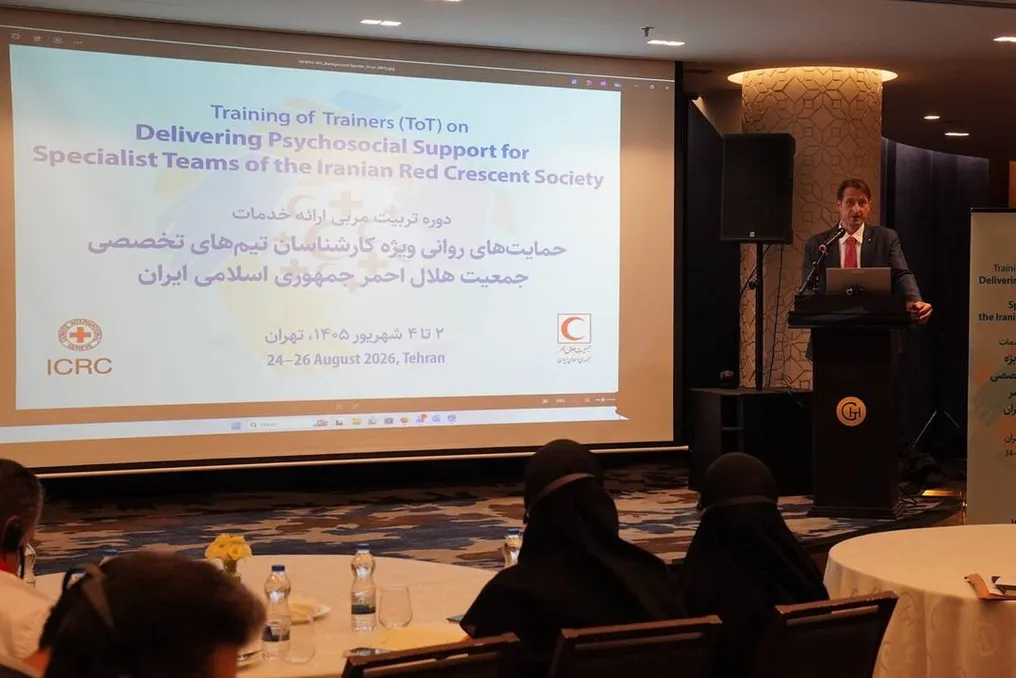
The Forensic Medicine Organization of Iran has announced its readiness to support and expand its interaction with the International Committee of the Red Cross (ICRC). The main focus of the cooperation will be on strengthening joint efforts in scientific, educational, and operational fields, as well as providing necessary equipment.
Mehdi Forouzesh, Deputy Head of the Crisis Management Department of the Forensic Medicine Organization, emphasized the need to deepen the partnership between the two structures. He noted the organization's significant capabilities, particularly the presence of highly qualified personnel capable of identifying victims of crises and natural disasters, according to the IRIB agency.
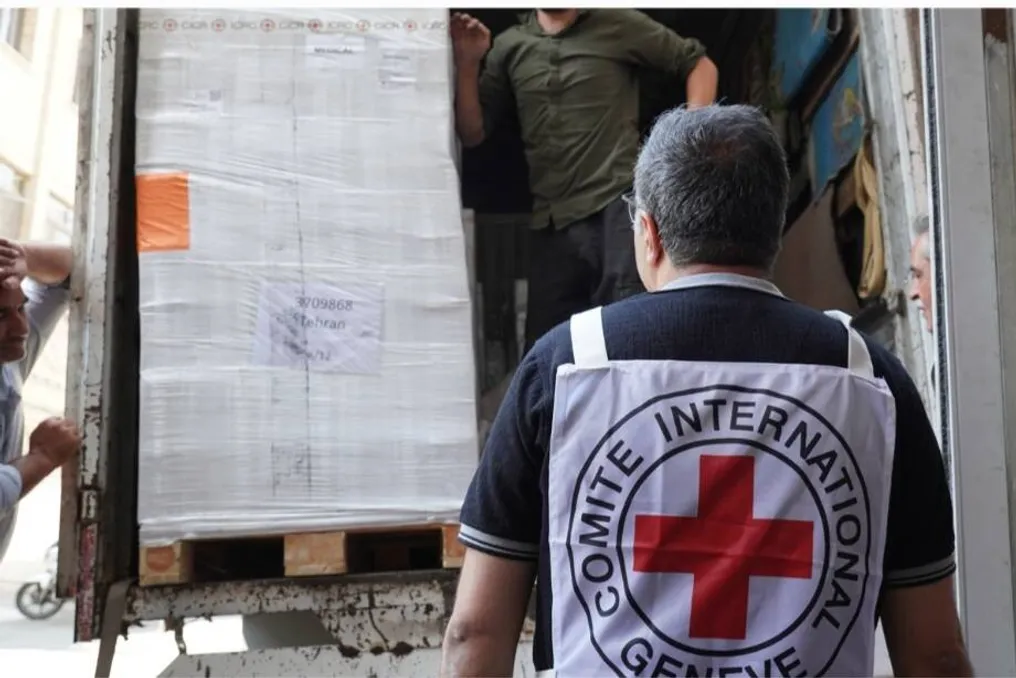
These statements were made during a ceremony where the Iranian Forensic Medicine Organization received vital supplies and equipment from ICRC representative Marouf Kandikov. Forouzesh indicated that conducting joint seminars and exercises with regional countries would help exchange experiences and increase crisis preparedness, including the cross-border transportation of deceased bodies.
He also highlighted the high competence of the Forensic Medicine Organization in managing large crowds and crises such as Arba'een. In addition to regional cooperation, strengthening ties with the ICRC could help develop predefined mechanisms for the identification, documentation, and transport of bodies in cross-border incidents, which would facilitate the return of remains to families.
Furthermore, the official representative mentioned the difficulties the organization faces in procuring laboratory consumables due to mandatory sanctions, noting that the ICRC could help solve this problem by creating a safe, transparent, and controlled channel.
Forouzesh called for the establishment of a joint expert working group to coordinate and institutionalize the interaction between the two organizations and to determine the needs of the Forensic Medicine Organization.
As part of its humanitarian mandate to strengthen humanitarian response capacity in Iran, the ICRC delivered 12 tons of necessary supplies and equipment to the Forensic Medicine Organization of Iran, as announced on the ICRC website in a press release dated September 20.
The delivered items include administrative and technical supplies necessary to support the organization's work, especially in identifying people who have died in natural disasters or armed conflicts, while ensuring their dignified treatment.
For his part, Kandikov highly praised the work of the Medical Organization in ensuring the dignity of the deceased and expressed hope that this assistance would strengthen its capabilities in identification and assisting families in determining the fate of their loved ones. He also expressed a desire to expand cooperation with the Forensic Medicine Organization of Iran.
The humanitarian forensic activities of the ICRC are aimed at ensuring the dignified treatment of the deceased, supporting the scientific identification of human remains, and assisting in determining the fate of people who have died or gone missing as a result of conflicts and emergencies.
In Iran, the ICRC has been cooperating with the Forensic Medicine Organization and other national institutions for about two decades, providing technical support, training, and equipment for the identification and repatriation of remains from the Iran-Iraq War of the 1980s. The work has also been expanded to strengthening preparedness for mass casualty incidents, including training in forensic anthropology and the dignified recovery and management of human remains. A central task of this work is helping families ascertain the fate of their loved ones while ensuring dignified treatment of the deceased.
Another aspect of the ICRC's activity in Iran is facilitating links between national institutions and the international forensic community to promote the exchange of experience, methodologies, and best practices in finding and identifying missing and deceased persons affected by conflicts, emergencies, and migration.