Currently, Indian cinema is witnessing a rapid increase in interest in films based on mythological stories and religious beliefs. Audiences prefer to see stories related to their religion on the big screen. This is prompting not only regional studios or animation companies but also major Hollywood production houses to participate in this trend.
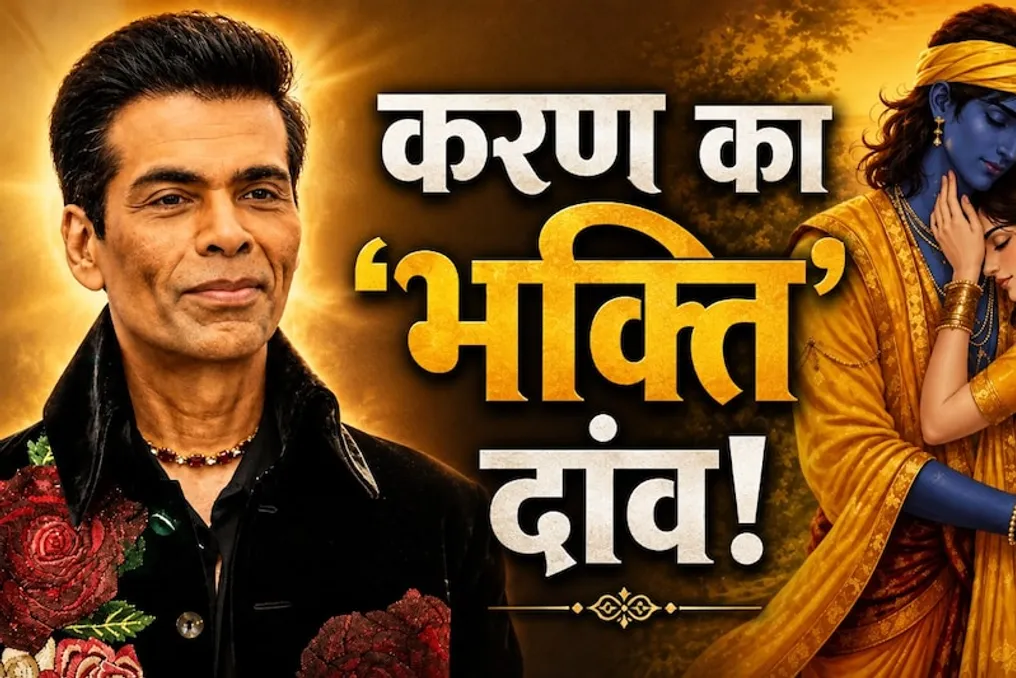
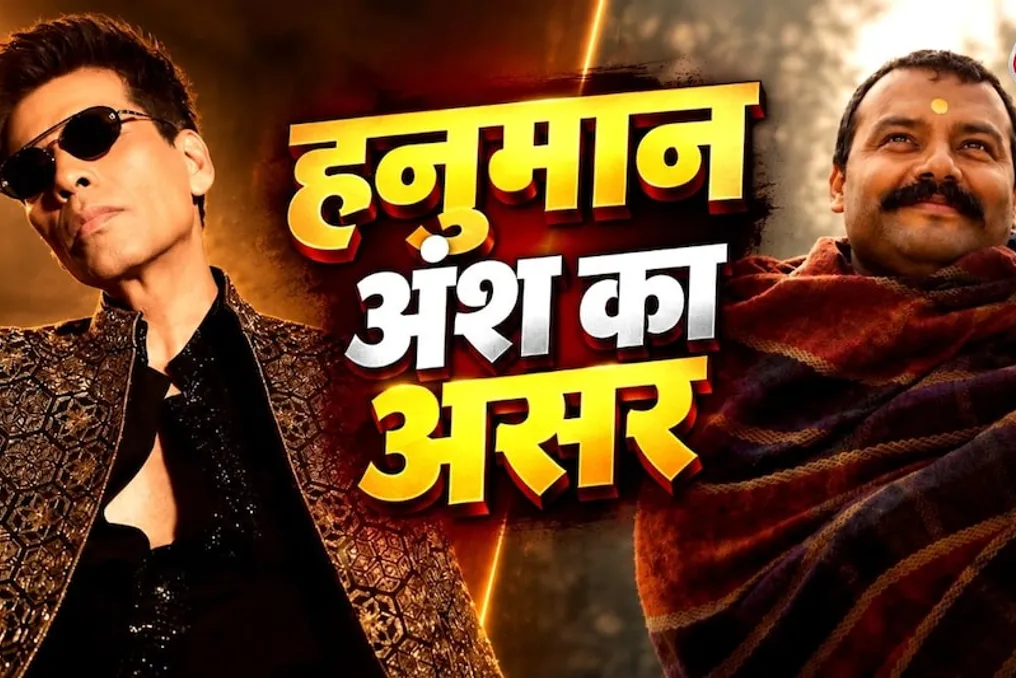
Following the success of the film 'Hanuman Ansh', it has been revealed that Dharma Productions, known for its romantic and family dramas, plans to create a large-scale film about 'Radha and Krishna'. Sachin Ravi will direct this project, who previously worked on the film 'Avane Srimannarayana'.
According to reports, the film's plot will cover the journey from the birth of Lord Krishna to the killing of Kansa, offering viewers an extensive segment of Krishna's life on the big screen. The film is expected to feature a powerful combination of romance, emotion, drama, and tragedy.
It is worth noting that the audience mood has changed over the last decade. Especially after the digital revolution, the youth are trying to understand their culture, history, and identity in a new way. During the coronavirus pandemic, reruns of 'Ramayana' and 'Mahabharata' on television broke all rating records, attracting the attention of filmmakers.
The South Indian film industries were the first to notice this new trend. The Telugu, Tamil, and Kannada industries brought their folk tales and mythological characters to the big screen using modern technology. They presented these stories not just within one region but in a 'pan-India' format, which yielded noticeable results.
A recent film that impressed industry experts was 'Hanuman Ansh'. This film, shot on a very limited budget, surprised major specialists with its revenue. Costing only 2 crore rupees, it reached a box office collection of 200 crore rupees. The success of this movie proved that to attract audiences, one needs not only stars but also a strong, honestly executed script to succeed even without superstars.
'Hanuman Ansh' is not the only example. Animation has also become an important medium for conveying mythological stories to young audiences. The film 'Mahavatar Narasimha', based on the image of Narasimha Vishnu, achieved great success in several Indian languages, collecting over 180 crore rupees in India, and according to trade reports, over 300 crore rupees worldwide.
Furthermore, the Gujarati religious drama 'Lalo - Krishna Sada Sahayate' demonstrated that big stars or huge budgets are not necessary to influence the box office. This film, made on a budget of about 50 lakh rupees, became the first Gujarati film to cross the mark of 100 crore rupees globally. Its huge resonance among people and emotional connection with the audience made it a historic success for Gujarati cinema.
It seems that after the blockbuster success of 'Hanuman Ansh', the mindset of the entire film industry has changed. Producers and directors are now viewing mythological stories not only within the framework of religious or spiritual films. They have realized that this has turned into a major business model capable of generating income from 500 to 1000 crore rupees. This is why both small and large studios are now incorporating a religious aspect into their films.