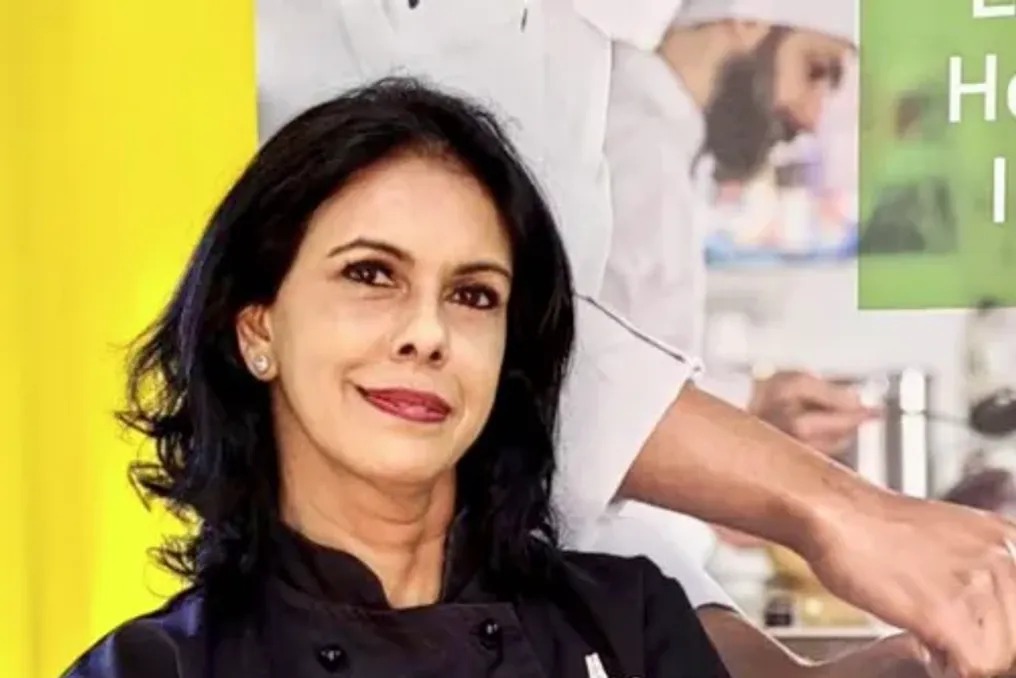
Traditional cuisine will be the central theme at the Food Heritage Festival, which takes place at the 1860 Heritage Centre on Saturday, September 12th. The event will bring together Durban families to celebrate the tastes, memories, and cultural traditions shaped by the experience of Indian indentured labourers in South Africa.
The festival, held at 1 Derby Street, Greyville, will feature demonstrations of old dishes, live cooking shows, and entertainment. Among the participants in the cooking workshops are Tigam Natu and Solina (Mudli) Naidu, who will share recipes based on personal family experiences. This event is part of the Centre's efforts to preserve the history and heritage of South Africans of Indian descent.
Stories Through Cuisine
For Tigam Natu, food was an integral part of family life from an early age. She recalls becoming her mother's assistant in the kitchen, participating in kneading, whipping, chopping, and stirring. A special memory for her comes from preparing for Diwali, when she and her sister helped dye almonds, mix filling for poli, and roll soji vaurande in hot syrup. These early lessons contributed to her lifelong love of cooking. Later education in hospitality and hotel management expanded her skills from preparing individual portions to cooking for large groups.
Natu's culinary journey took on a Gujarati flavour after marriage, as her mother-in-law introduced her to a new range of dishes and mithai. At the festival, she will present Gujarati Banana Curry and Bajji—a dish that initially seemed unusual due to the combination of ripe banana with spicy tomato chutney, mint leaves, and a gram flour base. For Natu, this dish carries a strong family memory, as it was a favourite at weekly family dinners at her mother-in-law's home.
Evolution of Culinary Traditions
Solina Naidu's culinary journey also began at home, in the kitchen of her mother and three 'perimas' in Chatsworth. At the festival, she will demonstrate her Perima's Chicken and Lentil Curry in Durban style. Like Natu, Naidu's culinary skills developed in a home setting, among women who cooked mostly intuitively rather than from written recipes. By the age of 12, she could already cook some classic Indo-South African dishes independently.
Her main mentors were her mother and three aunts—her 'perimas,' who ultimately inspired the story of Perima's Kitchen, through which she seeks to preserve the knowledge and flavours passed down through generations. Naidu wants to show how small, thoughtful changes can start with familiar and beloved ingredients. However, for her, food is more than just ingredients; she remembers how her love for fish curry began during a family vacation in Spiopenkop, when her uncle Kessi cooked it over a fire. For her, the power of food lies in how scent or taste can connect a person to a person, a place, and a memory.
This connection is central to the broader story of heritage. Selvan Naidu, Director of the 1860 Heritage Centre, describes kanjikerai (rice porridge and wild greens) as a marker of acculturated identity, demonstrating how Indian indentured communities adapted their culinary traditions to the living conditions in South Africa. Indentured labourers integrated locally available ingredients into their cuisine, creating traditions that reflected both their Indian origins and the new African environment. Dishes featuring ingredients such as maize meal, amadumbe, dried fish, and local herbs became part of the evolving Indo-South African dietary culture. The resulting cuisine tells a story of migration, adaptation, resilience, and cultural exchange.
Solina Naidu believes that preserving this history requires the active participation of modern families. She emphasizes that 'our food tells the story of our origins,' and that South African Indian cuisine carries stories of migration, resilience, adaptation, family, and community. The Food Heritage Festival provides visitors with an opportunity to experience this history through food, and the program also includes tours of the Centre's exhibitions and artifact room.
Tigam Natu advises that perhaps one simple ingredient should never be excluded from any recipe—the chef's state of mind. She warns: 'Do not cook if you are in a bad mood. It definitely affects the food.'