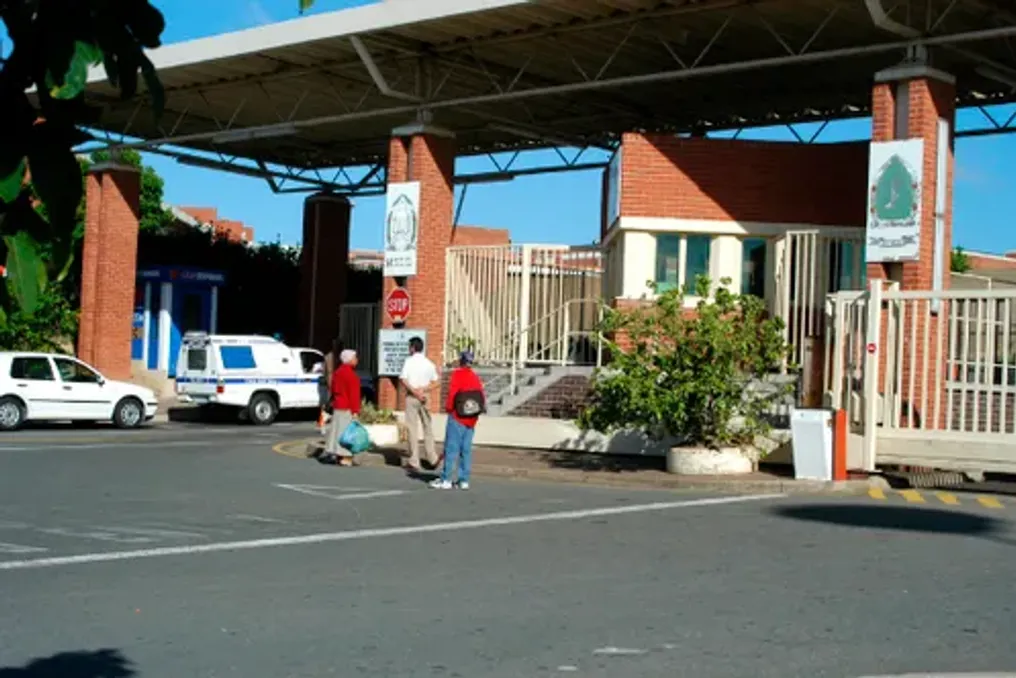
Inmates at Westville Prison voiced significant concerns regarding food scarcity and operational failures within the prison kitchens. One man from Chatsworth recounted his experience during an 11-month stay at Westville Prison in Durban, describing the living conditions as "inhumane".
This individual detailed the meager rations received: twice daily, they were provided with two slices of bread and jam at 9 am, followed by soup and 'Mosso Mosso' (soya chunks) between 4 pm and 6 pm. He noted that the soya chunks tasted like plastic, alongside pap or samp. He mentioned that occasionally pumpkin or cabbage was served, but it was often improperly cooked. He also stated that the murder charges against him had been dropped.
Earlier this year, Waseem Kudoos, an employee of SARS who faced charges related to the murders of his gardener, Mzikayise Paulos Mabida, and barber, Mahmudel Sajid, also criticized the food quality at Westville Prison, stating it "is not good for human consumption." During his bail hearing at the Chatsworth Magistrate’s Court, Kudoos highlighted the negative impact of food shortages on him. Furthermore, he alleged that the dietary plans failed to accommodate Muslim inmates.
Kudoos informed the court that he was not eating properly due to food shortages and insufficient portions, sometimes receiving oily soya with dried bread and cabbage. He expressed uncertainty about consuming the meat when it was served and pointed out the lack of consideration for his Muslim faith. He lamented the poor quality of the food, contrasting it with KFC he ate during a past visit, and mentioned a family history of high cholesterol he wished to avoid. When inquiring about a separate diet for Islamic inmates, he was told the kitchen was non-operational, citing constant excuses. He specified that meals were typically served around 9 am and again at 1 pm.
Richard Mamabolo, speaking for the Police and Prisons Civil Rights Union (Popcru), confirmed awareness of long-standing issues concerning food supply and kitchen infrastructure at Westville Prison. He revealed that the Westville Medium A kitchen has been shut down since February 2025 because it failed to meet necessary compliance standards. Consequently, meals are being prepared in adjacent areas of the Westville complex and then transported to Medium A.
Mamabolo added that the department has arranged for breakfast to be made at the Medium Pre-Release Correctional Centre, while lunch and supper are prepared at Westville Maximum. The kitchen requires extensive renovation, and its reopening is only anticipated for the 2027/28 fiscal year. He warned that insufficient or delayed food provisions risk creating tension and frustration within already overcrowded facilities, placing correctional staff on the front lines to manage these outcomes.
He urged the department to expedite the repair of malfunctioning kitchens, guarantee stable food supply chains, and enhance oversight of food quality, quantity, preparation, and distribution. Mamabolo stressed that correctional officers should not face security tensions caused by failures in procurement or infrastructure.
Mamabolo also called for rigorous examination of food procurement, noting that Parliament had previously questioned the rise in the externally procured bread price by the DCS, which increased from R13.36 per loaf in 2024/25 to R22.95 in 2025/26. He argued that when a department faces severe financial strain, procurement inefficiencies and inflated costs must be resolved before cutting essential frontline services. Therefore, Popcru supports Parliament's call for a viable financial recovery strategy, provided it addresses the root causes of the projected R749 million overspending instead of merely cutting expenses arbitrarily, labeling it a problem requiring a criminal justice system solution.
