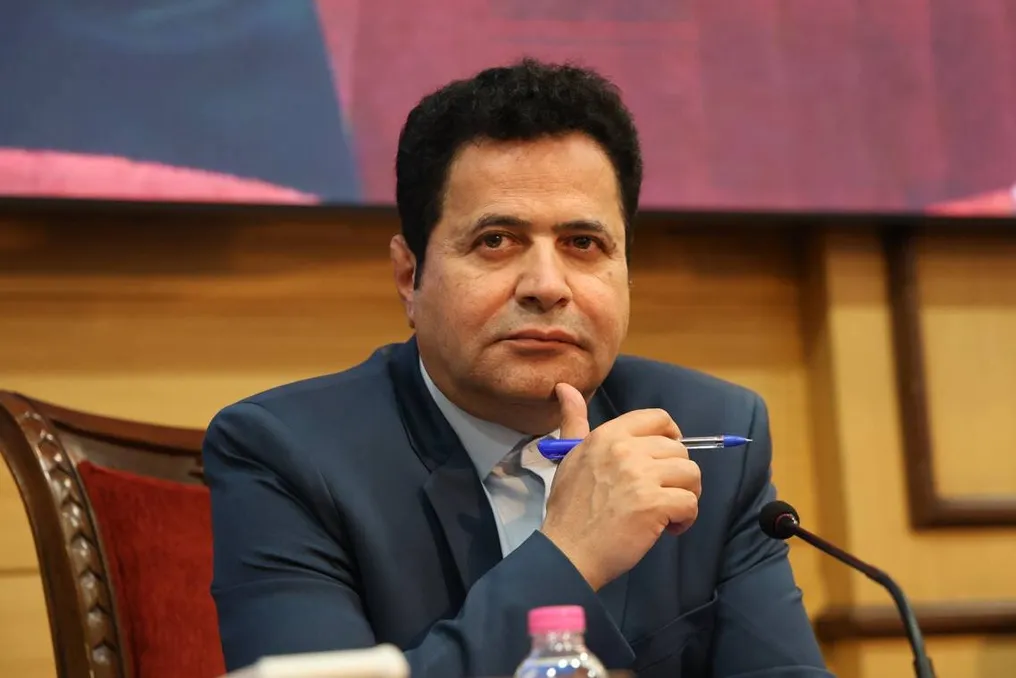
Hossein Pirmoazen, Deputy Chairman of the Iranian Chamber of Commerce, Industry, Mining and Agriculture (ICCIMA), emphasized that restoring stability, trust, and predictability in the economy is the foundation for capital returning to production, increasing employment, and strengthening hope in society.
In a situation where society faces rising exchange rates, high prices, declining purchasing power, future anxieties, and regional tensions, the economic issue extends beyond mere economic indicators; trust and hope for the future are also among the country's most vital assets.
An economic agent is ready to invest only when it can somewhat forecast the future. Producers must know the cost of raw materials, foreign currency, energy, taxes, and financing. Investors must be confident that their current decision will not be nullified by a sudden policy change.
Under such circumstances, sharp exchange rate fluctuations and rising production costs complicate planning for businesses and prompt some capital to be directed towards short-term and unproductive activities. Furthermore, concerns arising from regional tensions affect economic decision-making and public consciousness.
For this reason, one of the most pressing needs of the Iranian economy at present is the restoration of stability and predictability in the business environment. To overcome the existing conditions, several measures must be taken:
Firstly, greater stability and transparency must be created in the foreign currency market, providing opportunities for exporters and importers to plan. Secondly, practical support for production and investment is required through reducing excessive regulation, facilitating financing, and avoiding sudden directives. Thirdly, serious attention must be paid to the purchasing power of the population, as a decline in this power puts pressure on households and directly affects sales and production of economic enterprises.
Fourthly, it is important to activate investment and development projects across the country. Implementing effective projects, creating jobs, and attracting capital to the production sector can simultaneously promote economic growth and increase social optimism. The fifth point is strengthening dialogue between the government and the private sector. Chambers of Commerce, Industry, Mining and Agriculture, as well as economic organizations, must play an effective role in economic decision-making so that policies align with the realities of the business environment.
Iran possesses significant potential in the fields of energy, agriculture, industry, tourism, human resources, and due to its geographical location. The main task is how these potentials can be transformed into investment, production, employment, and public welfare.
Modern society needs not so much loud promises as real signs of stability and hope: an expanding factory, a started project, an investment confidently channeling capital into production, and an entrepreneur capable of planning for the next year. Ultimately, the most important demand of the private sector and the country's economic community can be expressed in a simple statement: allow people and economic agents to forecast the future. The return of stability, trust, and predictability to the economy will serve as the basis for resuming the flow of capital into production, growing employment, and strengthening hope in society.