Tashkent Metro Increased Train Frequency and Reduced Headways During Morning Rush Hour
Read more
UzDaily
uzdaily.uz

Tashkent Metro Increased Train Frequency and Reduced Headways During Morning Rush Hour

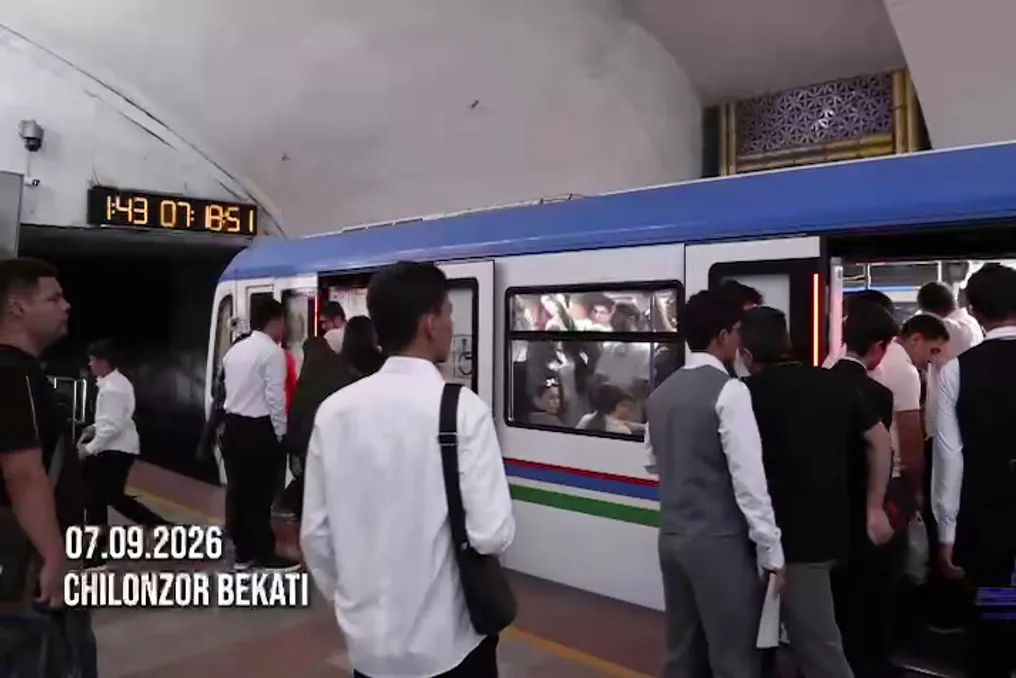
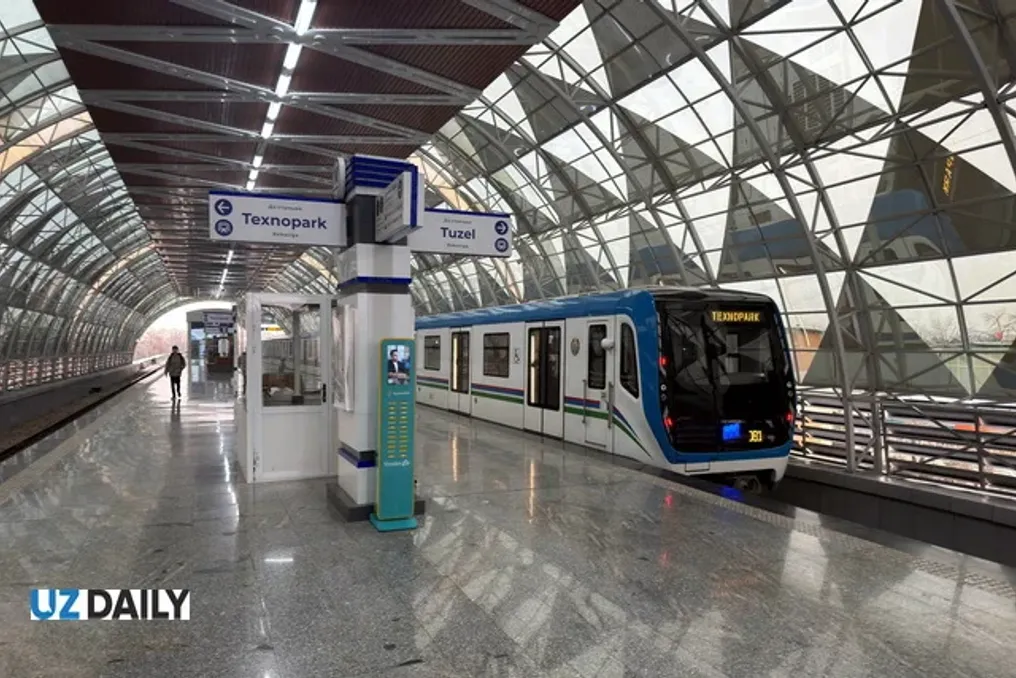
A decision was made in the capital of Tashkent to increase the number of metro trains and reduce service intervals during the morning rush hour.

This decision was made following monitoring of passenger flow in the capital's metro system, conducted by the Tashkent Traffic Control Center in collaboration with Toshkent Metropoliteni JSC.

Details of Changes on the Lines

On the Chyllanzar line, the number of operating trains between 7:00 AM and 8:00 AM was increased from 27 to 28. An additional train was introduced to improve service frequency.

On the Uzbekistan line, the number of operating trains between 7:00 AM and 10:00 AM was tripled from 16 to 18. As a result of this change, the interval between trains was reduced from 3.5 minutes to 3 minutes.

Furthermore, on the Uzbekistan line, service intervals were significantly reduced throughout the day compared to previous figures.

The Traffic Control Center reported that the measures taken will allow for a reduction in passenger waiting times at stations and more efficient use of the transport system's existing capacity.

The Center continues to monitor passenger flow and traffic in the capital, and needs identified during the analysis are being addressed in stages, in cooperation with relevant structures and through practical steps.
Similar stories

Tashkent Metro transported 243,821 passengers during the morning rush hour on September 7
Read more
uzdaily.uz

Tashkent Metro transported 243,821 passengers during the morning rush hour on September 7

The Tashkent City Transport Management Department (CODD) reported that the Tashkent metro operated stably during the morning rush hour on September 7. During this period, 64 trains served passengers across four lines, completing 243,821 trips between 07:00 and 10:00.

Due to the start of the new academic year in higher education institutions, public transport during this period was under constant monitoring. Monitoring was conducted in collaboration with partner organizations.

On the lines with the highest passenger flow—Chillanzar and Uzbekistan—the train intervals were reduced. According to CODD, these measures helped maintain stable metro operation during the morning rush hour.

The situation management center monitored the condition of metro stations and lines in real time. No failures or inconveniences in train operation, nor any passenger crowding at stations, were recorded during the observed period.

Furthermore, no emergencies related to passenger service occurred during the morning rush hour. CODD emphasized that the operation of the metro and other modes of public transport remains under continuous observation, with special attention paid to ensuring comfortable and safe conditions for passengers.

Tashkent Metro reduced train intervals during rush hour due to the start of the academic year
Read more
uzdaily.uz

Tashkent Metro reduced train intervals during rush hour due to the start of the academic year

The Tashkent Metro administration announced that train intervals have been reduced during the morning rush hour due to the start of the new academic year.

These measures were taken in response to the projected increase in passenger traffic following the resumption of studies at the capital's higher education institutions.

The new academic year at the capital's universities started on September 7. During the morning peak, the metro increased the frequency of train services to ensure more regular service and improve convenience for passengers.

In parallel, the metro management ensured the presence of senior officials at all stations during peak load hours. This measure is intended to allow for prompt situation control, regulate passenger movement, and guarantee their safety.

Enhanced measures have been introduced at the Chilanzar, Paxtakor, Amir Temur Khiyoboni, Alisher Navoi, and Beruni stations. It is expected that these stations will experience the highest passenger flow, which prompted the metro to strengthen control and passenger service.

The Tashkent Metro administration emphasized that all these actions are aimed at maintaining comfortable and safe conditions for passengers, as the increased demand creates additional strain on the city's transport system. Tashkent Metro will continue to regulate passenger flows and provide quality service during peak hours.

Train intervals in Tashkent Metro reduced during peak hours due to increased passenger traffic
Read more
podrobno.uz

Train intervals in Tashkent Metro reduced during peak hours due to increased passenger traffic

The Tashkent Metro has intensified operations during the start of the new academic year by reducing the intervals between trains on all lines and organizing additional staff duty during peak hours.

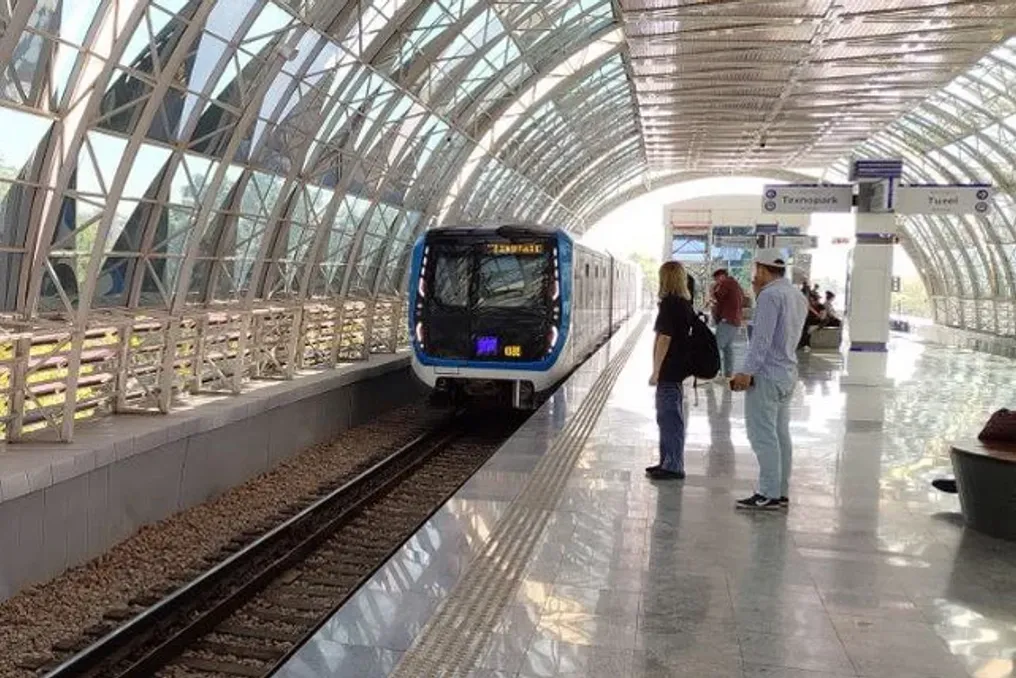
These changes are due to the projected increase in the number of passengers during morning and evening hours. On the Chilanzar line, trains now run at intervals of 1.5–2 minutes, on the Uzbekistan line—up to three minutes, on the Yunusabad line—up to four minutes, and on the elevated circular line—with an interval of 7–8 minutes.

Additional measures at stations

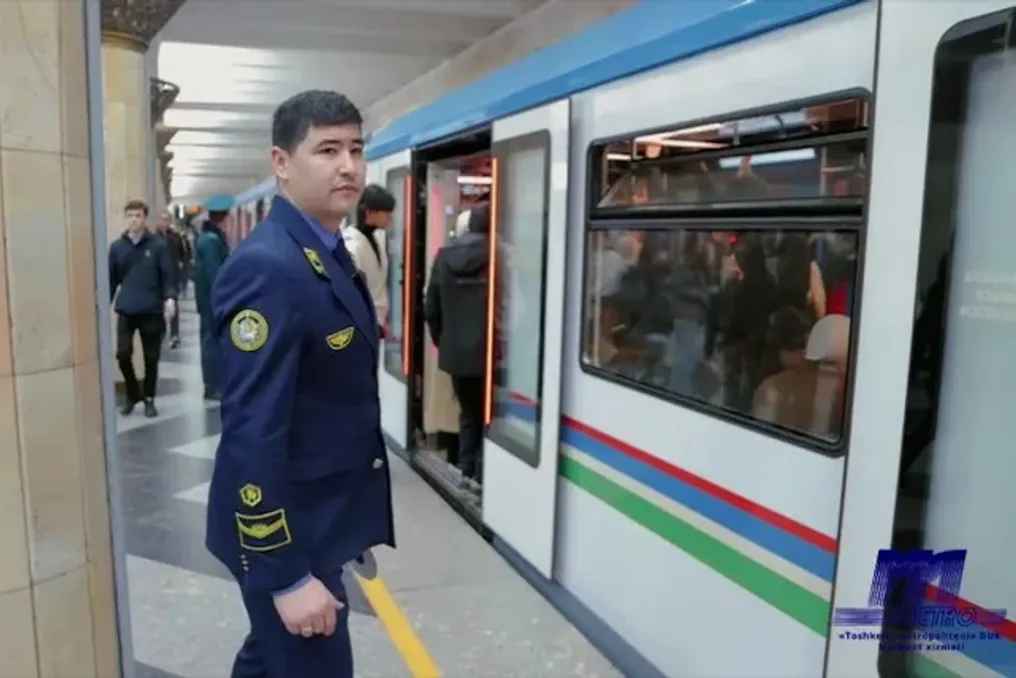
Additional measures have also been introduced at the stations. During peak load hours, managers and responsible employees are present at all 50 metro stations. Their task is to monitor passenger flow, assist passengers, and respond promptly to any emerging problems.

Special control is focused on stations such as 'Chilanzar', 'Pakhtakor', 'Amir Temur Khiyoboni', 'Alisher Navoi', and 'Beuruni', as higher congestion is expected there. The Metro reported that the schedule will be regularly changed to account for actual passenger flow.

In addition, starting September 7, a temporary bus route was launched in Tashkent for the convenience of students, connecting 'Mirzo Ulugbek Metro Station' and 'UzGUMYA'.

Popular