Analysis of the 10 best QCY headphones to buy in Brazil in 2026
Read more
Tecnoblog
tecnoblog.net

Analysis of the 10 best QCY headphones to buy in Brazil in 2026

QCY brand headphones are recognized for offering excellent cost-benefit, combining affordable prices with advanced features. The product line ranges from models with active noise cancellation (ANC) and high-resolution audio support to simpler options for less demanding needs.

Tecnoblog compiled a list of ten of the best QCY headphone options available for purchase in 2026, detailing the pros and cons of each to help the consumer choose the ideal model for their usage profile.

QCY H3S

The QCY H3S is a foldable over-ear headphone weighing only 240 grams. It incorporates 56 dB adaptive active noise cancellation (ANC), providing a more immersive sound experience. For calls, the device uses three microphones (out of a total of seven) equipped with an anti-wind system to enhance voice pickup.

This model features a dual driver system (40 mm and 13 mm), designed to deliver robust bass and crisp highs. Additionally, Hi-Res Audio and Hi-Res Audio Wireless seals ensure high-resolution playback, both wired and wireless. Battery life is notable, reaching up to 102 hours without ANC activated or 58 hours with it on. Supported codecs include SBC and LDAC.

QCY H3 Pro

The QCY H3 Pro shares characteristics with the H3S, being an over-ear headphone as well, but presents slightly inferior specifications. Weighing 231 g, it offers 50 dB ANC and features environmental noise cancellation (ENC) in the microphones assisted by artificial intelligence. This model does not have support for dual dynamic drivers, but its 40 mm drivers ensure more precise bass.

It also supports high-resolution audio, both wired (via 3.5 mm auxiliary) and wireless. The battery lasts up to 55 hours without ANC or 40 hours with ANC active. Furthermore, the QCY H3 Pro supports multipoint connection via Bluetooth 5.4. Accepted codecs are SBC and LDAC.

QCY HT08 Melobuds Pro

With an in-ear design, the QCY HT08 Melobuds Pro is extremely lightweight, weighing only 4.5 g per unit. Its 46 dB adaptive ANC promises to reduce noise by up to 99%, and the transparency mode allows six levels of adjustment so the user can remain aware of external sounds.

The headphone is equipped with 12 mm drivers and is compatible with high-resolution audio and multipoint connection (Bluetooth 5.3). Although it does not offer surround sound, it supports spatial audio for a more immersive experience. The battery lasts 8.5 hours with ANC on or 7.5 hours without it, with the charging case extending this duration to 34 hours. The peripheral has an IPX5 certification against sweat and light rain. Supported codecs are SBC and LDAC.

QCY H3 ANC

The QCY H3 ANC represents the entry-level version of the H3 family. Even though it is a more basic model, this over-ear headphone offers 43 dB hybrid active noise cancellation to mitigate external sounds. The device features 40 mm drivers to optimize bass quality and supports multipoint connection via Bluetooth 5.3. It also supports high-resolution audio, but only when used in wired mode.

A strong point of this headphone is its battery, which offers 30 hours of autonomy with ANC on. If ANC is disabled, the duration can reach 55 hours. Supported codecs are SBC and LDAC.

QCY T13 ANC

The QCY T13 ANC is a simple in-ear headphone, but equipped with active noise cancellation of up to 28 dB. Its design is lightweight (4 g each) and uses hydrodynamics to reduce wind noise hitting the microphones, optimizing calls. The diaphragm of the 10 mm dynamic driver provides more prominent bass, while the copper-coated aluminum wire ensures elasticity to improve mids and highs. However, it does not support high-resolution audio or multipoint connection. The battery lasts 7 hours on a single charge, which can be extended up to 30 hours without ANC using the case recharges. Supported codecs are AAC and SBC.

The QCY Crossky C50 is the only listed model with an open-ear design. Its ergonomics allow the headphone to adapt to various ear shapes, offering good stability even during physical exercise. However, due to its open construction, it does not have active noise cancellation, as this would prevent adequate isolation. Although it is not compatible with high-resolution audio, it comes with 10.8 mm dynamic drivers with bass reinforcement and a dynamic equalization algorithm. Reverse sound wave technology helps reduce sound leakage by up to 90%. The headphone has IPX5 protection and a battery with up to 7.5 hours of continuous use, which can reach 35 hours with the aid of the case. Codecs were not specified.

QCY T13X

The QCY T13X is an in-ear headphone intended for less demanding uses. This peripheral does not have active noise cancellation, but includes a system that minimizes wind noise captured by the microphone. The headphones are equipped with a 7.2 mm dynamic driver and use the Bluetooth 5.3 standard. As a more basic model, it does not offer high-resolution audio compatibility. The battery life of the QCY T13X can reach 8 hours, extending up to 30 hours with the use of the case. Supported codecs are AAC and SBC.

QCY T32 AilyBuds Clear

The QCY T32 AilyBuds Clear is a semi in-ear headphone, which fits partially into the ear canal but without the need for silicone tips. It is considered a more basic peripheral and does not have active noise cancellation. This wearable comes with a 13 mm driver, Bluetooth 5.3, and the ability to support two simultaneous connections. It also includes a low latency mode (0.068 s), ideal for improving the gaming experience. The headphone has IPX5 protection against sweat and splashes. The battery promises up to 5 hours of autonomy on a single charge or 22 hours with case recharges. Codecs were not specified.

QCY T20

The QCY T20 is another basic semi in-ear headphone, weighing only 3.7 g each. Like the T32, this peripheral does not have ANC and is recommended for less demanding uses. Among its differentials, the 13 mm driver for more present bass and customizable touch controls to facilitate music playback stand out. The battery lasts approximately 5.5 hours or 20 hours with the use of the case. The wearable has IPX4 protection against sweat and water splashes. The supported codec is AAC.

The T27 ArcBuds Lite is another QCY headphone without active noise cancellation. However, its in-ear design, which features openings on the rear and front parts, helps balance air pressure, promoting greater comfort during use. This headphone has a 10 mm dynamic driver and noise cancellation...

3.
Similar stories

Review of the Best Lenovo Tablets of 2026: Model Selection Recommendations in Brazil
Read more
tecnoblog.net

Review of the Best Lenovo Tablets of 2026: Model Selection Recommendations in Brazil

Lenovo offers tablets across various categories in 2026, ranging from basic models to high-performance and feature-rich devices for work. There are significant differences in battery capacity, display technology, and accessory configurations.

In this guide, Tecnoblog presents six of the best Lenovo tablets, comparing their main technical specifications and outlining the pros and cons of each model.

Idea Tab Pro Gen 2

The Idea Tab Pro Gen 2 is the brand's most advanced model. It is equipped with the Snapdragon 8s Gen 4 processor, which demonstrated high performance in multitasking, gaming, editing, and artificial intelligence feature tests. The model is available with up to 12 GB of RAM and 512 GB of internal storage, and it supports microSD cards up to 2 TB.

Another feature of the Idea Tab Pro Gen 2 is its screen. Although it uses LCD instead of AMOLED, it is 13 inches with a 3.5K resolution and a refresh rate of up to 144 Hz. This configuration ensures high image quality and smoothness for studying, watching movies, and gaming.

For work tasks, Lenovo provides a complete set including a stylus, a keyboard with a touchpad, and a magnetic case at no extra cost. The battery is rated for up to a day and a half of use. The factory operating system is Android 16, with a projected update to Android 18.

Lenovo Idea Tab Pro

The first generation Lenovo Idea Tab Pro boasts high performance thanks to the MediaTek Dimensity 8300 processor, support for up to 12 GB of RAM, and 256 GB of internal storage. Its display is smaller than the newest model (12.7 inches) but features high resolution and a refresh rate of up to 144 Hz, making it ideal for media consumption, multitasking, and gaming. Additionally, it is equipped with JBL technology with Dolby Atmos speakers, although the keyboard is not included—only the case and stylus.

Thanks to its hardware, the Idea Tab Pro surpasses basic Lenovo models, especially in terms of battery life, with a 10,200 mAh battery.

Lenovo Idea Tab Plus

The Lenovo Idea Tab Plus occupies an intermediate position in the brand's current lineup. The main focus is on a large screen, long battery life, and features geared towards studying, productivity, and entertainment. The tablet uses the MediaTek Dimensity 6400 processor in configurations with 8 GB of RAM and 256 GB of storage. This performance is sufficient for watching videos, video calls, streaming, and multitasking, although it lags behind the computational capabilities of the Idea Tab Pro Gen 2 in editing and gaming tasks.

The 12.1-inch screen has a 2.5K resolution and a refresh rate of up to 90 Hz, but the smoothness is lower than that of the professional model. The device is compatible with a stylus and keyboard, but only the Lenovo Pen is included in the package.

Lenovo Idea Tab

The Lenovo Idea Tab represents the simplest version of the line. It is equipped with the MediaTek Dimensity 6300 processor, up to 8 GB of RAM, and 128 GB of storage, which can be expanded via microSD. The screen is 11 inches with the same 90 Hz refresh rate, but the maximum brightness of 500 nits was found to be limited during reading and navigation according to tests conducted.

Similar to the Pro Gen 2 version, Lenovo supplies a full productivity kit: a case, a keyboard (without a touchpad), and a stylus (battery-operated). The 7,040 mAh battery provides all-day autonomy but only supports 8 hours of continuous video streaming.

Lenovo Tab

The Lenovo Tab serves as the entry point into the manufacturer's tablets and is designed for basic tasks such as entertainment and internet browsing, as it uses the MediaTek Helio G85 processor. The model is sold with 4 GB of RAM and 64 GB of internal storage (expandable via microSD). The 10.1-inch screen has a WUXGA resolution and brightness up to 400 nits. Unlike the Idea Tab, the panel operates at a 60 Hz refresh rate, making the visual experience simpler but sufficient for watching movies, navigating, and accessing social media.

The Lenovo Tab is equipped with dual speakers with Dolby Atmos, and its battery holds 5,100 mAh, which is less than other models in this review.

Lenovo Tab K11

The Lenovo Tab K11 is a mid-range tablet focused on productivity, studying, entertainment, and mobility, as it supports 4G connectivity. Its MediaTek Helio G88 processor combined with 4 GB of RAM is suitable for multitasking, document editing, and some light gaming, although it is not a gaming tablet. The IPS screen is 11 inches, with a WUXGA resolution and a 90 Hz refresh rate, providing greater smoothness than the Lenovo Tab. Brightness reaches 400 nits, which may make viewing difficult in bright conditions, and the 7,040 mAh battery offers good capacity and fast charging up to 20W.

The hardware of this device does not directly compete with the Idea Tab Pro Gen 2 or Idea Tab, but the 90 Hz screen, four speakers, battery, and stylus support make it a balanced option for studying.

The choice between models primarily depends on the intended use case. Among Lenovo tablets, there are significant differences in processors, displays, memory, and connectivity:

  • Idea Tab Pro Gen 2 is the best choice for gaming, thanks to the Snapdragon 8s Gen 4 with Adreno 825 GPU and the ability to have up to 12 GB of RAM for maximum raw performance in heavy games. Its 13-inch screen offers 3.5K resolution and up to 144 Hz for smoother animation.
  • Idea Tab is oriented towards reading and note-taking. Its high-resolution 11-inch screen, along with software features and stylus support, expands capabilities for document work and studying. It is a more suitable alternative to basic models for those who spend a lot of time reading.
  • The Lenovo Idea Tab is also useful for studying and work because it comes with accessories such as a keyboard and stylus included and free. While the Tab K11 might be more interesting to those who require mobile connectivity, as it is the 4G LTE version in the Brazilian market.

Nevertheless, before making a decision, it is worth comparing the prices of these tablets with competitor offers in similar price segments. Lenovo offers options in different categories and price ranges, but the cheapest models may disappoint in terms of performance.

Samsung tablets stand out with features to enhance productivity, greater durability, and connectivity, while Apple's iPad maintains an advantage in performance and ecosystem integration, albeit at a higher cost.

The Lenovo Tab M10 is an outdated model that should only be considered if it can be found at a significantly lower price. Depending on the generation, it uses processors like Snapdragon 429/450 or Unisoc T610, has a 10.1-inch screen, and limited hardware by modern standards. Furthermore, software support for the main M10 generations has already been discontinued, which is an argument against purchasing it.

Comparative analysis of four premium mid-range smartphones available in Brazil
Read more
olhardigital.com.br

Comparative analysis of four premium mid-range smartphones available in Brazil

When researching phones in the premium mid-range category, it is noticeable that each manufacturer has adopted a distinct approach to marketing its devices. While some brands prioritized large capacity batteries, others focused on faster screens, more powerful processors, or extended software support.

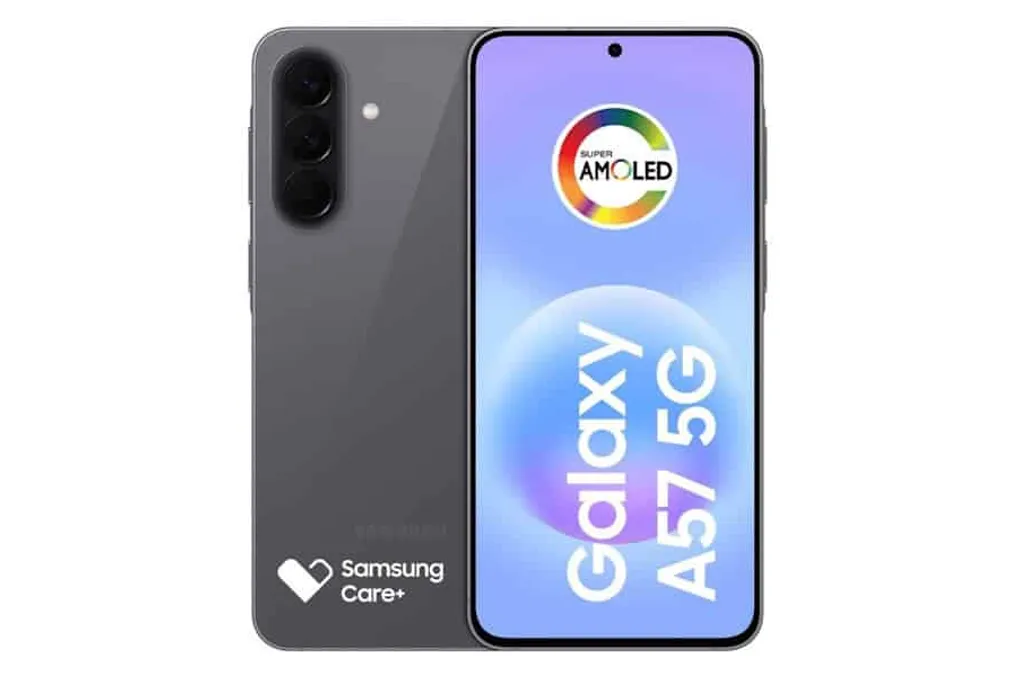
To detail the strengths and weaknesses of each model, Olhar Digital conducted a complete evaluation of four devices sold in Brazil: Samsung Galaxy A57, Motorola Edge 70, Oppo Reno 16F, and Realme 16.

The strategic differences become evident when observing the technical specifications. Regarding construction and materials, the selection of components affects the device's feel in hand and its durability in daily use.

Concerning the screens, all models use AMOLED panels, ensuring deep blacks and excellent contrast. The distinction lies in the resolution offered.

In terms of daily performance and software, the Motorola Edge 70 presents superior performance in intensive tasks and gaming, driven by the Snapdragon 7 Gen 3 processor, which is the most robust in the group. The Galaxy A57 offers a similar overall experience with the Exynos 1680, but has the advantage of offering extended updates from Samsung, should the user plan to keep the phone for many years.

In the Oppo Reno 16F and Realme 16 models, the Dimensity series processors are adequate for basic activities, such as browsing social networks, watching videos, and general use, although they show limitations when running heavy games at maximum settings.

Beyond theoretical specifications, the devices were subjected to practical benchmark tests using the PCMark and 3DMark applications, accessible in the official Android store. PCMark simulates simple operations, such as image editing, spreadsheets, and social browsing, while 3DMark evaluates advanced capabilities by running complex three-dimensional models.

Performance Test Results

The tests indicated that Motorola and Samsung had similar results in basic tasks, with the Edge 70 standing out in the most demanding tests. Smartphones equipped with the MediaTek processor showed inferior performance. The Realme 16 performed better in basic tasks but showed unsatisfactory performance when running demanding graphics. On the other hand, the Oppo Reno 16F achieved a better result in 3D but lagged behind the Realme in everyday tasks.

If battery autonomy is the priority, Oppo and Realme are the undisputed winners, as both have 7,000 mAh batteries, capable of lasting up to two days without recharging. Oppo includes an 80-watt charger in the box, and Realme provides a 60-watt one. The Galaxy A57 has a 5,000 mAh battery, while the Motorola Edge 70 has the smallest capacity in the group, at 4,800 mAh, which is sufficient for a normal day of use. An additional advantage of the Motorola is being the only one in the group to support wireless charging.

Practical battery tests, conducted with the PCMark application, consisted of running the basic test continuously until the charge reached 20%, starting from 100% and maintaining constant brightness and volume.

Final Conclusion

It is important to note that each smartphone can satisfy different user profiles. For those seeking maximum battery life, the ideal options are the Oppo Reno 16F and Realme 16, with the former being slightly preferable due to the more powerful charger included in the packaging. Users integrated into the Samsung ecosystem will find the Galaxy A57 a natural choice, benefiting from everything brand fans expect, combined with the promise of six years of Android updates.

However, considering the complete package, the Motorola Edge 70 emerges as the clear winner. Despite having the smallest battery, it combines the best camera set, the best screen, an extremely thin design, and superior performance among all analyzed devices.

Xiaomi offers smartphones with good cost-benefit in promotion on Amazon
Read more
olhardigital.com.br

Xiaomi offers smartphones with good cost-benefit in promotion on Amazon

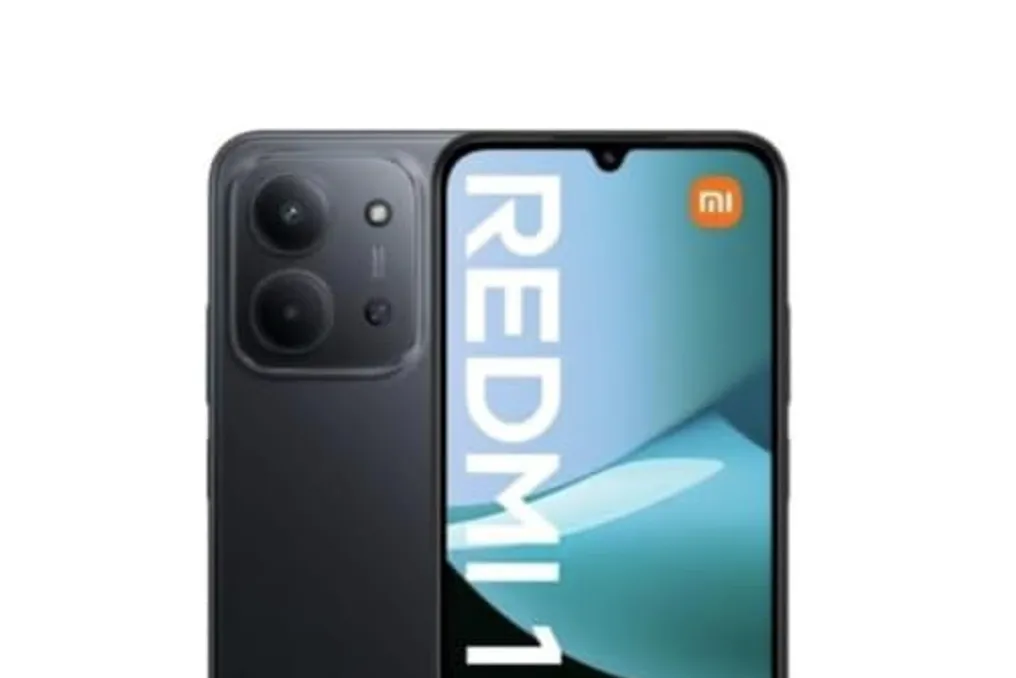
Xiaomi has reinforced its position in the Brazilian market as a brand that successfully balances performance and affordable price, and currently several popular models from the brand are available on sale on Amazon. Three options from the Redmi line have been selected that consumers should consider.

One of the highlighted devices is the Xiaomi Redmi 15C, available in Midnight Black. This model was designed for users who need a durable smartphone for daily use, offering ample storage. With 8 GB of RAM and 256 GB of internal storage, it supports the execution of multiple tasks, demanding applications, and the recording of many photos and videos, while also featuring an elegant and discreet design.

Another option is the Redmi Note 15, which represents a significant advancement over previous models in the Note line. It also features 8 GB of RAM and 256 GB of internal storage, making it a robust alternative for those who use their phone intensively, whether for gaming, media consumption, or professional activities, preferring the black finish.

Additionally, there is the blue version of the Redmi Note 15, which maintains the same specifications as the black model—8 GB of RAM and 256 GB of ROM—but offers a more vibrant color for those who want a contemporary look without compromising performance.

It is important to note that promotions like these usually have limited stock and may change at any time. Therefore, if any of these models interest you, it is recommended to access the link immediately to secure the purchase before the item sells out or the discount ends.

Popular