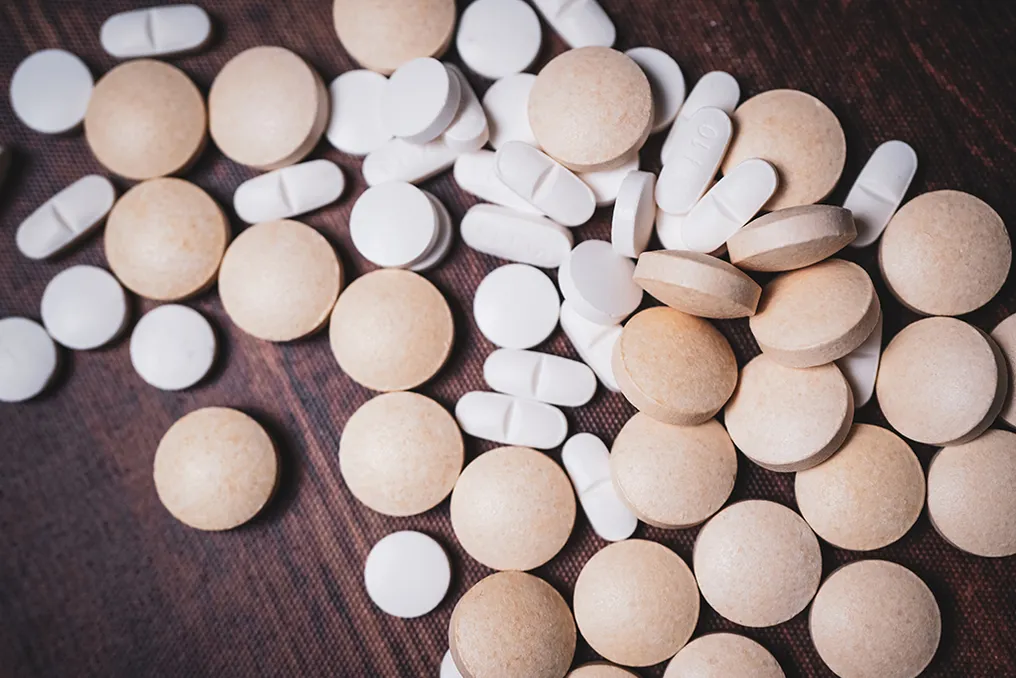
Two psychiatrists in New Zealand have been granted permission to administer MDMA, the main chemical substance in ecstasy, in the treatment of patients with severe cases of Post-Traumatic Stress Disorder (PTSD).
After a regulatory process that exceeded one year, psychiatrists Gary Wynn and Tom Paterson obtained approval from Medsafe, the New Zealand regulatory agency, to prescribe and administer 3,4-methylenedioxymethamphetamine. This synthetic psychoactive drug, popularly known as 'Michael Douglas' or 'pill,' is frequently associated with parties and nightclubs.
This decision, released this Friday (4), positions New Zealand as the second country globally to endorse the clinical use of MDMA. Australia was a pioneer in this field, allowing licensed psychiatrists to use MDMA to aid in PTSD treatment since 2023.
David Seymour, New Zealand's Deputy Prime Minister, stated in an interview with The Guardian that MDMA can be quite effective in managing PTSD through psychedelic-assisted therapy. He emphasized that New Zealand maintains its commitment to ensuring access to 'innovative treatments.'
PTSD is defined as a mental health condition triggered by exposure to extremely traumatic or stressful situations, such as wars, natural disasters, acts of violence, or abuse episodes.
A potential therapeutic approach for this condition is psychedelic-assisted therapy. This method combines conventional psychotherapy with the monitored use of hallucinogenic substances classified as psychedelics, such as psilocybin found in 'magic mushrooms' and LSD. These substances interact with brain serotonin receptors, potentially functioning as substitutes for serotonin itself.
MDMA falls into this category, although its psychedelic effects, such as hallucinations, are not as prominent. For this reason, recent research investigates MDMA as a potential adjuvant medication for PTSD treatment. The most comprehensive clinical study conducted on the substance was published in Nature Medicine in 2023, presenting promising results. In this study, PTSD patients who used MDMA showed a significantly greater reduction in symptoms compared to those who received only a placebo.
Psychiatrist Gary Wynn highlighted that the advantage of MDMA lies in its ability to act as an empathogenic substance. This means it can foster feelings of empathy or help the patient open up during conversation sessions.
Wynn explained to Radio New Zealand that, in therapy, this allows individuals who have experienced trauma to establish a connection with their therapist, feeling safe and dedicating themselves to the difficult work of processing past traumas in a more protected environment, facilitated by the drug's use. He added that this type of treatment can accelerate a process that would normally take many years of therapy into a much shorter period due to the substance's effect.
MDMA treatment must occur strictly in duly authorized clinics. According to Wynn, the dose administered per session ranges between 120 and 160 milligrams, an amount close to that used in recreational contexts. However, it is important to note that the MDMA used in medical settings differs substantially from the version consumed at parties, which is often mixed with other amphetamines.
In addition to MDMA, other psychedelics have drawn attention due to their potential medicinal benefits. Last year, New Zealand also granted authorization for the use of psilocybin, the active component of magic mushrooms, aimed at treating drug-resistant depression.
