The Secretary of State for Public Health, Carlos de Souza, presented the epidemiological situation regarding the monkeypox virus (mpox) in Angola, as well as the main measures to prevent and combat the spread of the disease. The first case in the country was confirmed on November 16, 2024.
According to statistical data, as of September 5 of this year, a total of 442 confirmed cases have been registered in Angola: four in 2024, six in 2025, and 432 in 2026.
The mpox outbreak affects 11 out of 21 provinces in the country. According to data presented by Carlos de Souza, the highest number of cases has been recorded in the province of Cabinda, with 314 cases, followed by Moxico Leste with 91 cases.
The government official noted that the number of cases in the other provinces is significantly smaller. He also reported that two deaths were registered in Cabinda and Uíge, corresponding to an overall fatality rate of 0.45%.
Carlos de Souza added that 1131 contacts have been traced by medical services since the start of the outbreak. Currently, 116 people in the country are in the active phase of the disease and under observation, while 186 contacts are in isolation and under control.
Of the 116 active cases, 92 are in Cabinda, seven in Moxico, six in Moxico Leste, four in Luanda, four in Lunda Sul, two in Bengo, and one in Cuando.
In response to the outbreak, Angola mobilized 50 thousand doses of mpox vaccine this year, which are being used 'strategically and on a priority basis' due to limited global availability.
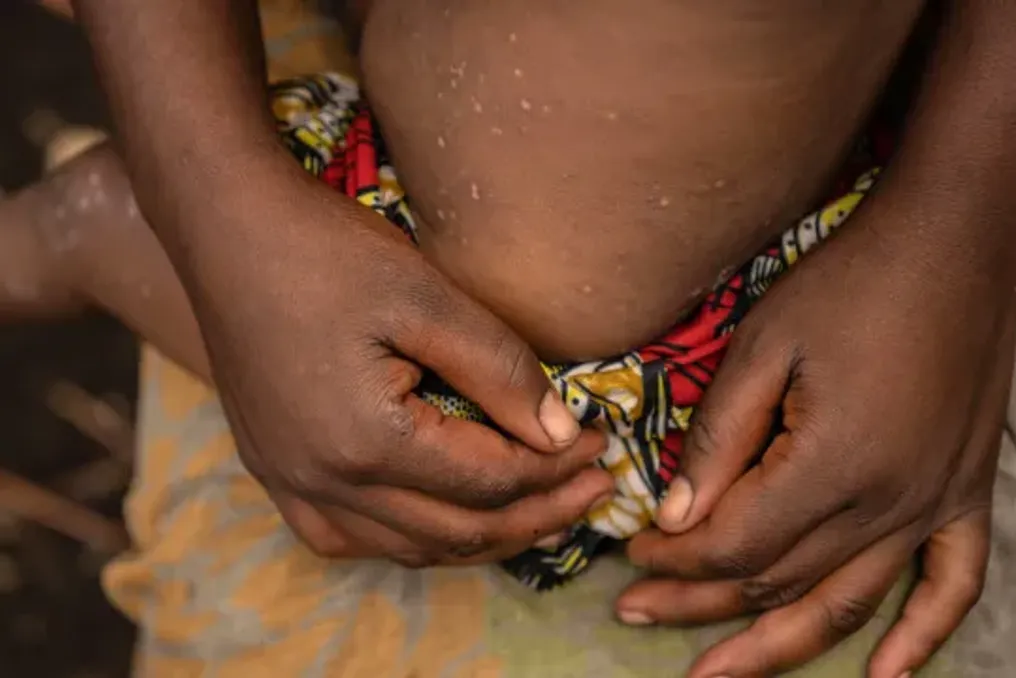
Mpox is an infectious disease caused by the monkeypox virus. It can manifest as fever, headaches, muscle and joint pain, swollen lymph nodes, as well as skin or mucous membrane lesions in the form of spots, blisters, and ulcers. The period between contact with the virus and the appearance of the first symptoms can range from five to twenty-one days, and people usually fully recover within two to four weeks.
The main mode of transmission is close contact with an infected person, especially through wounds or skin damage, secretions, or other contaminated materials, as well as through sharing clothing, towels, sheets, and other personal items, and from mother to child during pregnancy, childbirth, or after birth through close contact. The Secretary of State for Public Health emphasized: 'The risk and transmission increase with direct and prolonged contact, including sexual contact with a person who has symptoms or lesions. Mpox is not transmitted by airborne droplets.'
To reduce morbidity, it is crucial to observe hygiene measures, particularly frequent hand washing with soap and alcohol disinfection. Angola is implementing measures provided for the National Multisectoral Plan for Response and Control of the mpox Outbreak, which aligns with WHO frameworks for public health emergency prevention, preparedness, response, and resilience. The government official urged everyone who has come into contact with an mpox case to consult the nearest medical facility and report the situation.