
Historical Gillitts Station, which served as a military hub, has been restored and opened as a restaurant
Read more
IOL
iol.co.za

Historical Gillitts Station, which served as a military hub, has been restored and opened as a restaurant

This week, an old photograph of Gillitts Station was presented—a historical railway landmark from the early 1900s in the province. This station played an important role in both the military and public life during the Boer War.

The current station building is the second on this section, as the first was destroyed. It was built by Natal Railways around 1900. The original route through Gillitts was first established in the 1870s.

During the Boer War, the station functioned as a military center. It served as a strategic stop for British troops heading to the Midlands battlefields, as well as for returning wounded soldiers. Trains carrying troops stopped at Gillitts to replenish water supplies. Local women and children used 4-gallon paraffin tins on the platform to brew tea for resting soldiers.

For most of the 20th century, the station remained a recognizable local landmark. However, in 1980, the line was relocated, and rail services ceased. In September 1982, the Umgeni Steam Railway was established by members of the Natal Branch of the South African Railways Society to preserve the rapidly disappearing local railway heritage.

Nevertheless, after the cessation of regular passenger transport on the old route, the Gillitts Station building became vacant and fell into disrepair. In the 2020s, this historic building became the subject of a multi-million dollar revitalization project. After extensive and meticulous restoration, hospitality entrepreneurs Nipho and Liyana Tembe opened it this year as a restaurant and public space called Mist at Gillitts Station. Visitors can enjoy fascinating gastronomic journeys through the cuisines of the African continent here.

Similar stories

Adidas releases Snake Pack collection with snake skin texture for everyday streetwear
Read more
10and5.com

Adidas releases Snake Pack collection with snake skin texture for everyday streetwear

The new adidas Snake Pack collection introduces textures mimicking snake skin into classic sportswear. The snake print has moved beyond conventional fashion trends and appeared on familiar adidas silhouettes.

The latest adidas Snake Pack collection updates traditional sportswear items by using artificial snake skin trim and reptile-inspired prints on trench coats, wide trousers, T-shirts, and maxi dresses.

To promote the collection, the company sportscene collaborated with fashion content creators Demi Knoetze and Prettybird, who demonstrated various ways to style the collection. Their looks range from full snake-print sets to more restrained outfits where the focus is on one bold piece.

The centerpiece of the collection is the Firebird trench coat with satin snake print and matching wide athletic trousers. The familiar tracksuit gets a new look thanks to the satin finish and all-over print, transforming it into a street-style appropriate wardrobe item.

If a full set seems excessive, the Snake Print Cali Brown T-shirt offers a simpler way to incorporate this trend into everyday wear without covering the entire body in print.

Additionally, the collection features the Snake Print Brown maxi dress, which steers the collection toward a more fashionable direction. This is a departure from traditional adidas sportswear, but it still combines recognizable silhouettes with bold texture.

The appeal of this collection lies in the ability to choose how much or how little print you want to wear. You can dress entirely in the set, or let one piece be the focus in an otherwise simple outfit.

The adidas Snake Pack collection is available exclusively at sportscene stores and on the Bash platform.

Four Traditional South African Dishes Worth Trying in Heritage Month
Read more
iol.co.za

Four Traditional South African Dishes Worth Trying in Heritage Month

September is celebrated as Heritage Month in South Africa, a time to celebrate the country's rich cultural traditions, languages, history, and, of course, cuisine. Since Heritage Day falls on September 24th, food offers one of the simplest ways to experience the diversity of South Africa.

Traditional dishes, from local maize staples to Cape Malay favorites, carry stories passed down through generations. This month features four classic South African dishes that are worth including in your menu.

Umngqusho — The Khosa People's Favorite Dish

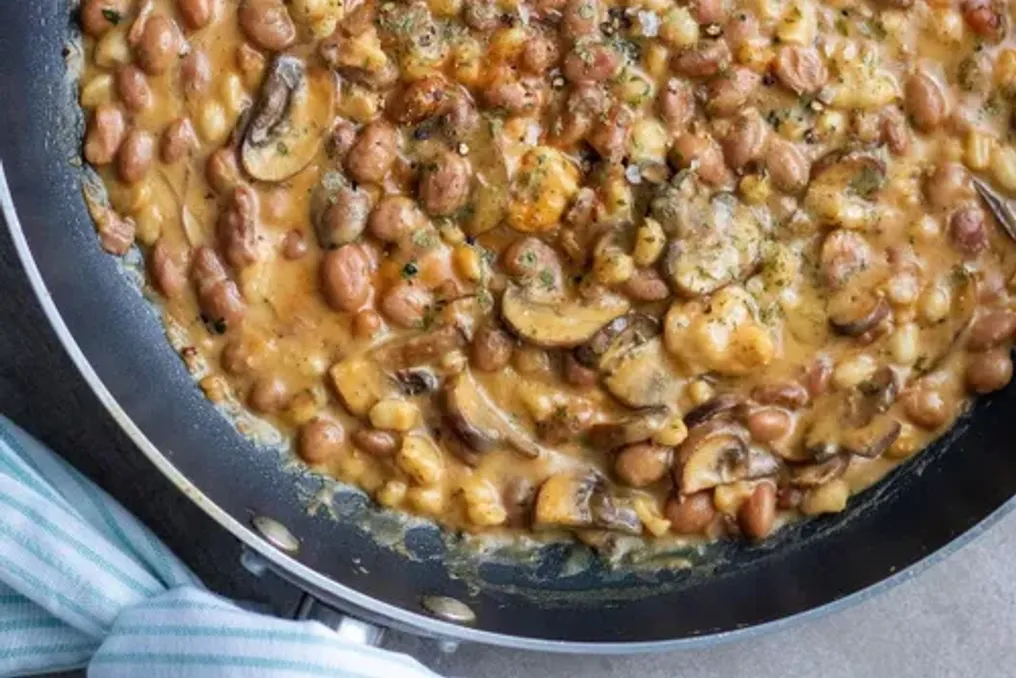
Among the dishes closely associated with the Khosa people's cuisine, umngqusho holds a special place—a hearty combination of dried maize and beans. It can be eaten on its own or served with meat, making it a comforting staple for family gatherings. It is also known that former President Nelson Mandela loved this dish.

For many South Africans, umngqusho is more than just a meal; it is the taste of home and a reminder of traditional cooking.

Bobotie — A Spicy Cape Classic Recipe

If you are looking for something with a distinct Cape flavor, bobotie is a favorite during Heritage Month. This dish is made by mixing spiced minced meat, often with raisins or other dried fruits, then topped with an egg custard and baked. Its history reflects the many cultural influences that have shaped South African cuisine, including Cape Malay culinary traditions.

Bobotie is usually served with rice and sambals, demonstrating how various culinary traditions have become part of South Africa's shared food culture.

Pap, Chakalaka, and Meat

No list of South African cuisine would be complete without pap and chakalaka. This combination of maize porridge, spicy vegetable relish, and fried or stewed meat is a familiar element of family gatherings, celebrations, and barbecues. Although recipes vary from one family to another, that is part of its charm. Some families prefer their chakalaka very spicy, while others make it milder. Pap can range from delicate and creamy to firm enough to eat with your hands.

The tourism company South Africa highlights pap and chakalaka among the country's iconic dishes, describing these traditional foods as part of South Africa's history and identity.

Kgodu — A Local Taste Worth Rediscovering

Heritage Month also provides an opportunity to look beyond the already well-known dishes. Kgodu, a traditional wild melon porridge originating from Limpopo and popular in Bapedi culture, is one such example. This dish combines wild melon with maize meal or sorghum, and the melon seeds can be dried and roasted to make dithotse. It serves as a reminder that traditional South African cuisine has long included inventive, plant-based dishes and methods of using ingredients with minimal waste.

More Than Just Food

South Africa's heritage cannot be captured by a single dish or cuisine. The nation's food culture has been shaped by both local traditions and by African, Asian, and European influences. During this Heritage Month, whether it is a plate of umngqusho, a steaming bowl of pap and chakalaka, aromatic bobotie, or a lesser-known local dish, the food on the table can be a delightful way to celebrate the many stories that make up South Africa.

Popular