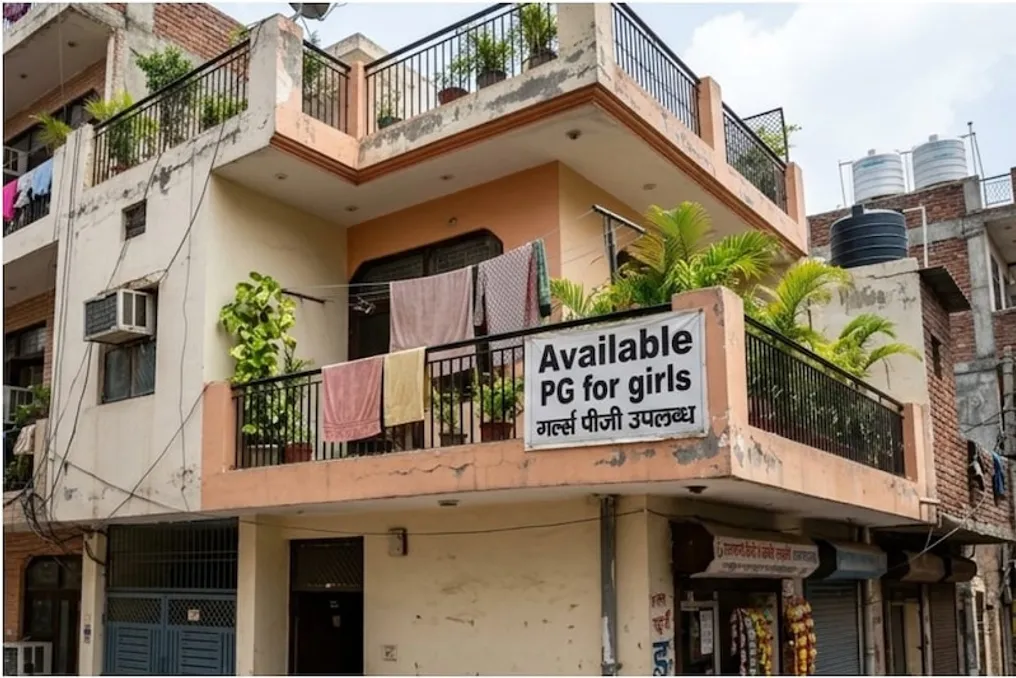
In cities such as Delhi and Noida, as well as in many other settlements across the country, the PG (Paying Guest) model is gaining popularity. Residents rent out part of their living space to several people in exchange for income. However, an incident involving Satya Niketan has once again highlighted the dark side of this PG model, leading to building inspections in Delhi and the development of new legislative acts to regulate the sector.
The question arises whether a PG can be set up in a private house. Currently, there is no single regulation or clear guidelines for establishing a PG. If you provide accommodation in your home to residents in a residential area, it does not cause problems. The situation changes when the owner provides housing to a large number of people and runs it as a full-fledged business, which requires registration and permits.
Despite the lack of clear rules defining when an activity is considered commercial versus ordinary residence, large-scale PG operation requires mandatory registration. According to an advocate from the Delhi High Court, obtaining permission from the administration and government is necessary to start a PG operation.
When a PG functions for a large number of people, norms regarding the condition of the building, ventilation, fire safety systems, presence of security and a warden, as well as room width, apply. However, if a small number of people are accommodated, the requirements are significantly less stringent.
Regarding PG income, an accountant noted contradictions. If you host several people in your home and receive payment for it, you only need to file a tax return, similar to regular housing rentals. Furthermore, you must undergo a police check and notify the police about the people residing in your home. Standard tax rules apply to the income.
However, if you run a PG on a large scale, you must integrate into the GST system. Usually, if you rent out residential premises in a residential area, you simply file taxes according to the common scheme.
The Delhi government is preparing to bring PG housing units under established norms. Under the proposed 'Paying Guest Accommodation Regulation and Welfare Bill,' new rules are planned to cover PG registration, rent, safety, and complaint resolution mechanisms. Following this, PG operators will have to go through a registration process.
PG operators must obtain an operating license from the local authority within 90 days. This requires obtaining necessary No Objection Certificates (NOCs) from the police, municipal council, and local administration. After registration, each PG will be assigned a unique PG Registration Number (PGRN), which will simplify the identification and verification of any PG's legality for both authorities and students. Additionally, in a PG where more than 15 people reside, the installation of CCTV cameras, provision of security, and appointment of a warden will be required.