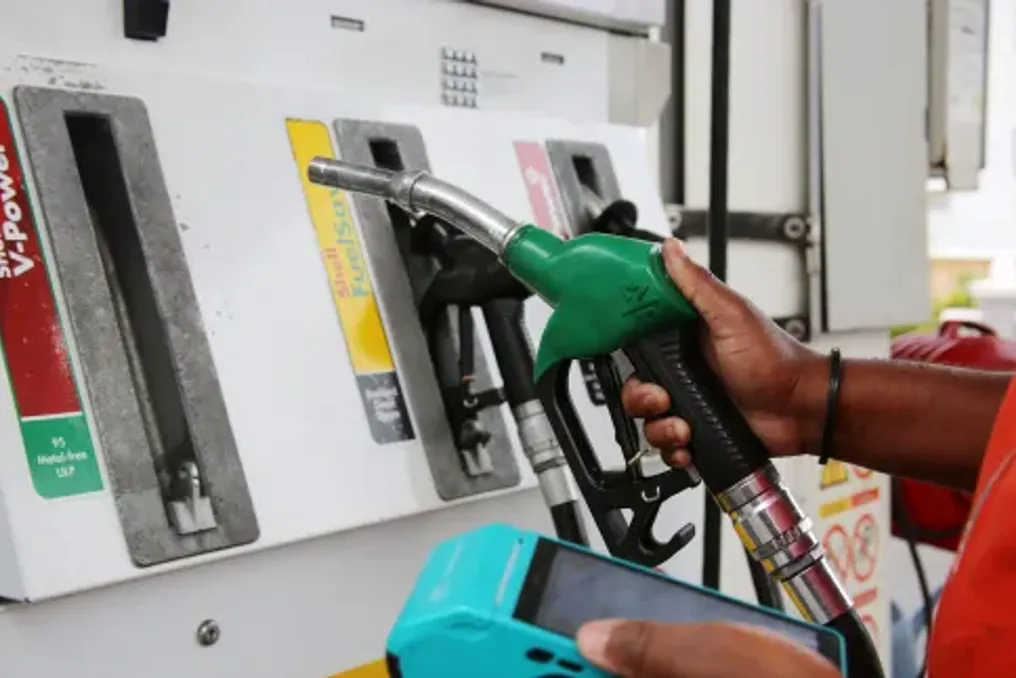
Motorists in South Africa are bracing for record petrol prices starting in October, while diesel fuel is also approaching historic highs, though expectations of further government support are unwarranted.
Finance Minister Enoch Godongwana stated that mitigating the impact on consumers from a fiscal perspective will be a difficult task. He noted that continuously covering these increases through the budget would ultimately burden taxpayers or increase the national debt.
Godongwana emphasized that fiscal policy requires compromises: providing additional consumer assistance must be weighed against the impact on other spending priorities, taxation, and state borrowing.
Currently, South Africans pay a total fuel levy of 4.10 rand per liter of petrol and 3.93 rand per liter of diesel. When fuel prices first rose sharply in April following the start of the Middle East war at the end of February, the government responded by reducing fuel taxes by 3.00 rand per liter, and then to 3.93 rand for diesel in May.
However, this support was phased out between June and July as a temporary truce between the US and Iran led to a drop in global oil prices. Nevertheless, due to the sustained rise in Brent crude oil prices over the last month amid escalating tensions, exceeding $100 a barrel this week, sharp increases in September—by 1.24 rand for petrol and up to 3.15 rand for diesel—could lead to a new round of difficulties for drivers.
Latest data from the Central Energy Fund indicates a potential increase in petrol prices by approximately 2.00 rand for 95 Unleaded and 1.88 rand for 93 Unleaded. This would raise the price of 95 ULP to 28.05 rand on the coast and 28.92 rand in Gauteng, surpassing all previous records set in June, which were 27.19 rand and 28.05 rand respectively.
Diesel fuel is also expected to see a significant increase, with data forecasting a rise of 1.50 rand for 500ppm to 1.80 rand for 50ppm. This would bring the 50ppm price to 30.29 rand on the coast and 31.85 rand inland, close to the historical highs of 30.62 rand and 31.38 rand recorded earlier this year.
It is important to remember that these forecasts are based on early-month data, which is a dynamic target, as much more could happen in the markets before the end of the current month.
Fuel price hikes can trigger inflation and put pressure on household budgets. The rising cost of fuel leads to higher costs for transport, food, and other goods, as increased expenses permeate supply chains. Simultaneously, motorists have less disposable income for spending on other goods and services, negatively affecting consumption and economic growth. The Reserve Bank has warned that rising fuel prices could intensify inflationary pressures, weakening household consumption and growth rates.