While vehicle safaris are one of the easiest ways to explore South Africa's wildlife, sometimes the best way to feel the bush atmosphere is to leave the transport behind. A hike slows the pace, allowing you to notice footprints in the sand, birds singing in the trees, insects moving through the grass, and small details that are easily missed from a car.
These six hiking routes in South Africa offer a unique experience, ranging from excursions in Big Five habitats to coastal trails where whales and seabirds become part of the scenery.
Experience in Kruger National Park
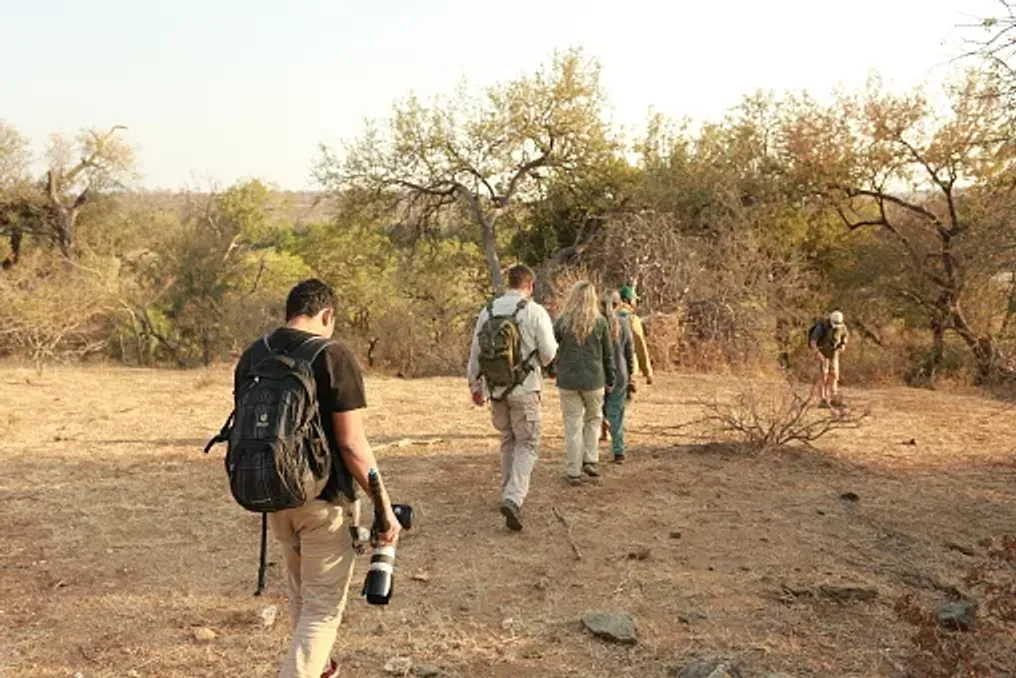
Kruger is known as one of the best safari destinations in South Africa, but you don't have to spend all your time in a vehicle watching animals. SANParks organizes guided walks from several camps, where small groups are accompanied by armed field guides. These walks usually last several hours and take visitors into wild areas around the camps.
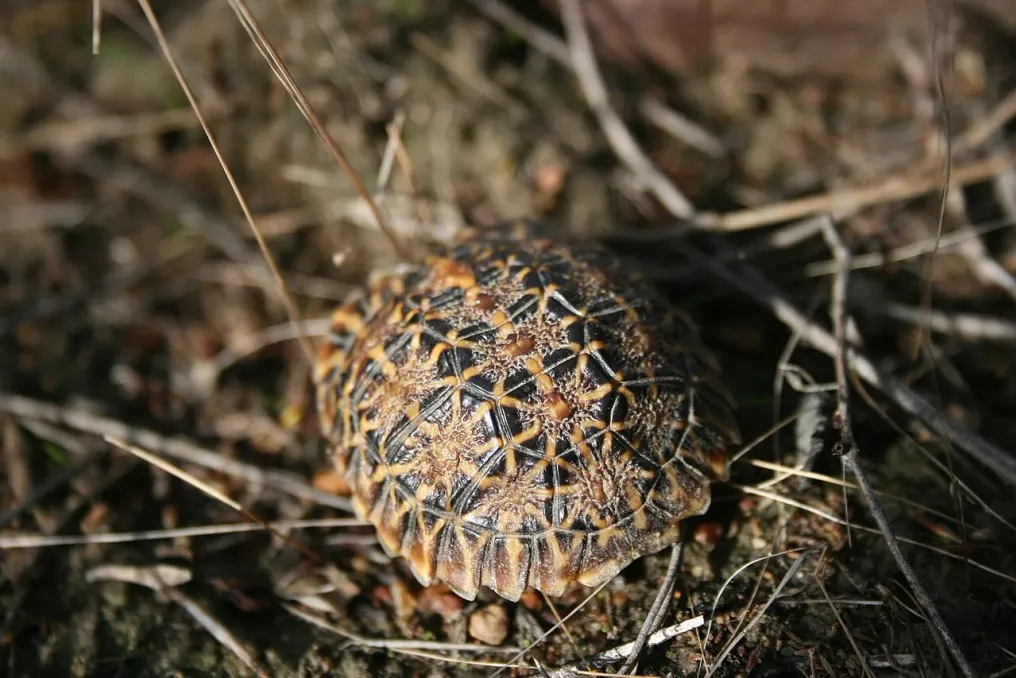
Walking shifts the focus from ticking off animals to understanding the landscape. Guides can point out tracks, plants, insects, birds, and signs of larger animals that might otherwise go unnoticed. There is also a chance of encountering large game, making the bush walk a completely different experience than viewing animals from a vehicle.
These walks are particularly valuable for those who enjoy studying the nuances of an ecosystem rather than just searching for the next big sighting. Specifically, the iMfolozi National Park section Hluhluwe-iMfolozi has a long association with safari walks. Its wild trails allow visitors to see the Big Five without the standard safari tour routine.
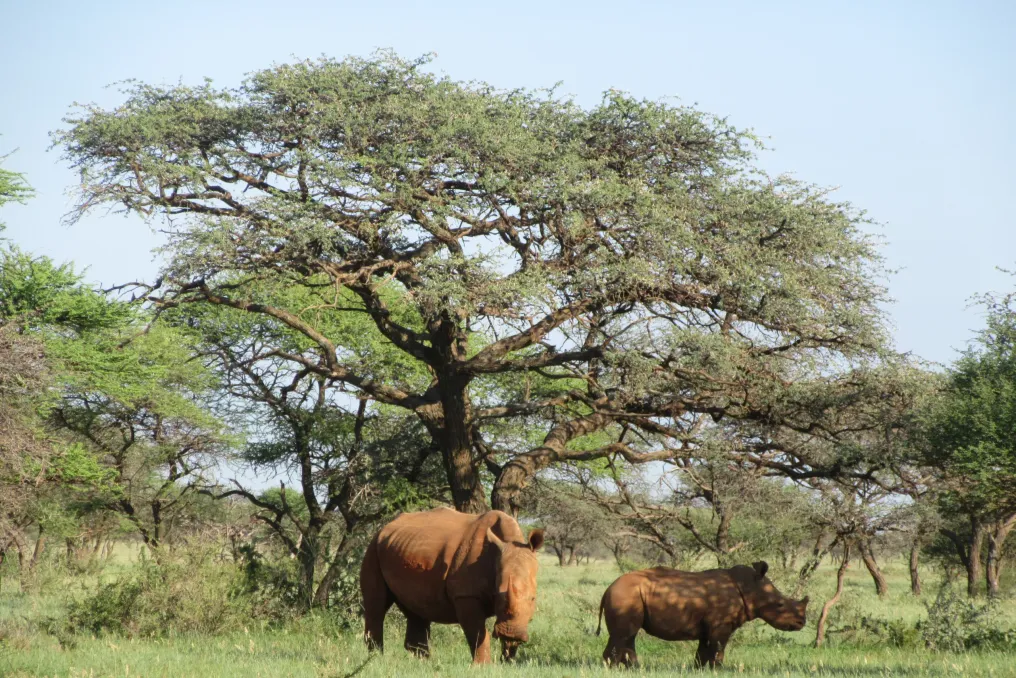
Multi-day wilderness treks take tourists deep into the reserve with experienced armed guides. The emphasis here is not on the race between sightings, but on quiet movement through the landscape and studying the tracks left by wild animals. This experience is especially beneficial in rhino habitats, as the conservation history of iMfolozi is closely linked to the protection of white rhinos. The area is also home to many other species of wildlife and birds.
Walking here also helps travelers appreciate how much can be noticed between major animal encounters: a track, a broken branch, or fresh dung can tell a story even before the animal comes into view.
Hiking Trails in De Hoop
Wild experiences don't always have to involve elephants and lions. In De Hoop Nature Reserve, hikes combine fynbos, mountains, coast, birds, and marine life. The reserve offers several options for walking, including the Klipspringer Trail and the Coastal Trail. The latter starts at Kopje Allen, a famous whale-watching viewpoint, and then follows along the beach or rocky shore. During the hike, you can explore rock pools, limestone formations, and coastal habitats.
For a longer adventure, there is the 55-kilometer Whale Trail, which crosses the reserve from Plettenberg Bay to Kopje Allen over five days. The route passes through fynbos and coastal landscapes where southern right whales can be seen from the coast during breeding season. De Hoop is also home to bontebok, Cape mountain zebras, eland, grey duikers, baboons, and small mammals, and the Plettenberg Bay area supports the remaining nesting colony of Cape storks in the West Cape.
Pilanesberg: An Accessible Option
Pilanesberg is located relatively close to Johannesburg and Pretoria, making it a practical place to escape city hustle, but its hiking experiences offer something different from a traditional safari tour. Guided tours are conducted by qualified guides who introduce visitors to the park's plants, birds, insects, and mammals. Being on foot makes the immediate surroundings much more significant. You can spend time studying tracks or learning about a specific plant before moving on, instead of just driving past it.
Hikes in the park can also introduce visitors to smaller members of the ecosystem, while always maintaining the thrill of knowing that large animals may be nearby. For families, Pilanesberg also offers a dedicated family bush walk in Letse Thepan Park, designed for visitors with children under 16 years old.
Addo: Trails Among Wildlife
Addo is associated with elephants, but some of the most interesting hiking experiences take visitors away from the traditional animal viewing landscape. The Alexandria Walking Trail is a 36-kilometer loop through forest, coastal dunes, and coastline. The two-day route requires moderate to good physical fitness, especially for crossing the dunes, while the shorter Tree Dassie Trail offers a less strenuous introduction to the Woody Cape forest.
There are also trails in the Зуurberg section of the park where you can encounter species such as the mountain reedbuck, red hartebeest, bushbuck, monkeys, baboons, and dassies, as well as various birds. The Cannon Trail adds another dimension, passing through coastal forest before opening up to the beach. Ornithologists can look for species like the Knysna Turaco and the African Black Fish Eagle, and from the coast, you can spot seals, dolphins, and whales.
Isimangaliso: Ecosystem Exploration
Wildlife experiences in Isimangaliso are not limited to large mammals. Its wetlands, forests, lakes, and coast support incredible diversity of smaller wildlife, making slow exploration on foot particularly rewarding. In the False Bay area, on the western shore of Lake St Lucia, visitors can choose several self-guided walking routes. The shorter Mpofomeni Trail passes through sandy forest and woodland, while the longer Ingwe and Dukandlowe trails offer opportunities to see species such as nyala, duiker, and bushbuck.
This area is also rich in birds and butterflies. On the trails, you can listen to forest birds, search for colorful butterflies, and observe life at the edge of the lake. The longer Dukandlowe Trail combines forest and coastal landscapes, where hippos, crocodiles, and waterfowl can be seen. Isimangaliso also offers organized walks in other parts of the park, making it a good choice for those who want to experience the wetland ecosystem at a slower pace.
A walking safari doesn't necessarily mean seeing more animals; in fact, you might cover much less ground than on a safari tour. The very way you perceive the world changes. A guide can stop to explain a track pattern, identify a bird by its call, or point out where an animal recently passed. You notice the scent of vegetation, the sound of insects, and the movement of small creatures in the grass.
For those willing to slow down, South Africa's wildlife is not just something to view from a safari vehicle. Sometimes the best way to understand wildlife is simply to take a step forward.