In connection with Suicide Prevention Week, which is taking place in South Africa from September 4 to 10, the topic of mental health in the country is once again being raised, especially among men.
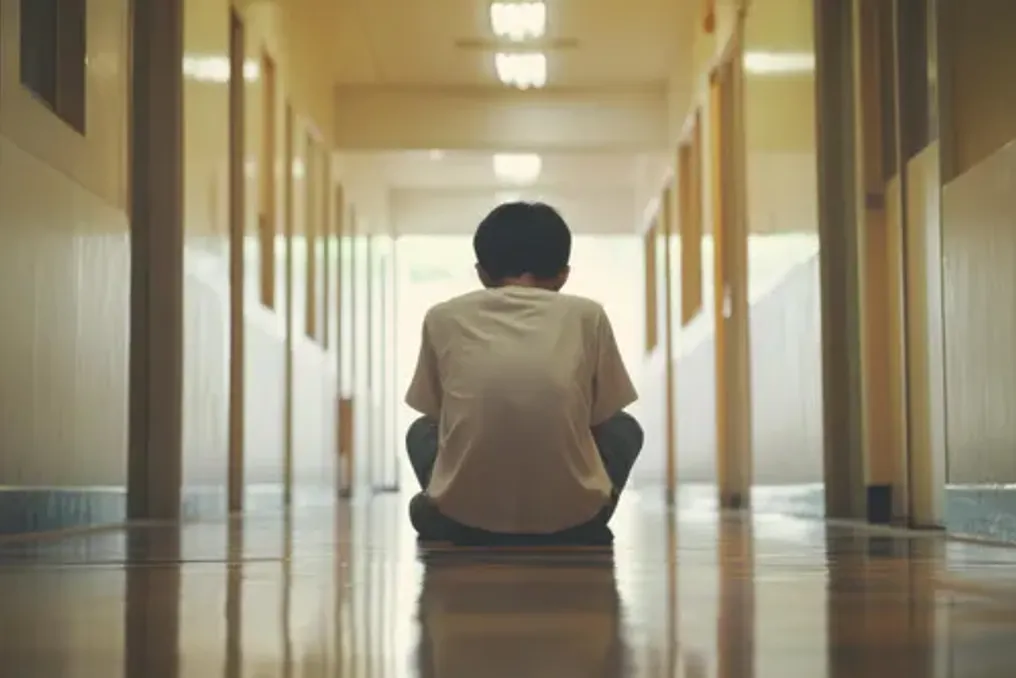
For many South African boys, the process of suppressing emotions begins long before they can understand the nature of these feelings. Societal norms such as 'Boys don't cry,' 'Be a man,' or 'Don't be weak' may seem harmless in childhood, but they shape how young people cope with anxiety, depression, grief, and other mental health issues in adulthood.
According to data presented by the mental health platform Panda, out of 13,774 suicides registered in South Africa in 2019, 10,861 were among men compared to 2,913 women. These figures indicate a significant disparity, yet behind the statistics are men who may have considered seeking help a sign of weakness for years.
17-year-old Smangaliso Kubeka from the village of Alexandria testifies to this reality among the youth in his community. He notes that most young people cannot discuss their problems: either they stay silent or they lie. Kubeka emphasizes that it is difficult for men to show vulnerability, whereas society almost expects emotionality from women.
Clinical psychologist Allan Sweddan, co-founder and co-CEO of Panda, asserts that men often seek less support in mental health matters, even when experiencing the same emotional difficulties as women. He explains that although the app is available to anyone needing support, men seek help less frequently.
The pressure to appear strong prevents men from admitting their struggles. Instead of talking about fear, sadness, or vulnerability, some may resort to destructive behavior or express distress through anger. Panda points out that the stigmatization of emotional vulnerability in men can contribute to issues such as substance abuse, bullying, road rage, and gender-based violence.
In this context, it is critically important to change the perception of masculinity. Instead of teaching boys to suppress emotions, interventions can help them learn to understand and express their feelings before they become overwhelming.
Social worker Jacob Tema, who specializes in gender-based violence interventions at Rays of Hope in Alexandria, believes that prevention must start while boys are still young. His organization runs an anger management program for young boys and teenagers in the area. Tema hopes that working with these youngsters from an early age will help create a more supportive and accepting environment when they become men, enabling them to deal with their anger, pain, depression, anxiety, and grief in less destructive ways. The goal of the program is not just to teach anger control, but to give young people a language to understand what underlies that anger. A young person who learns that sadness, fear, or grief can be voiced is better prepared to seek help in the future.
In addition to changing attitudes towards mental health, people need access to support when they are ready to ask for it. Sweddan believes that technology can remove barriers preventing professional help-seeking. He notes that the ability to use a smartphone to search for support for problems or to privately arrange a session with a professional is a valuable tool provided by digital innovations. Panda provides access to mental health and well-being support through its app, creating a private space for seeking help and connecting with specialists.
However, while digital platforms increase the accessibility of support, the cultural problem remains more serious. Men must realize that discussing problems does not make them less manly, and boys must grow up understanding that vulnerability is not the opposite of strength. Furthermore, communities must facilitate people's ability to say 'I am not okay' without fear of ridicule or judgment. Thus, Suicide Prevention Week is not only a remembrance of the deceased but also an opportunity to consider what can be done before a person reaches such a state. Sometimes prevention starts with creating a safe space where a person feels confident enough to speak up, because being strong should not mean suffering in silence.