Exploring the Midlands Region in KwaZulu-Natal Over 48 Hours in Spring
Read more
Getaway
getaway.co.za

Exploring the Midlands Region in KwaZulu-Natal Over 48 Hours in Spring

Spring is considered a wonderful time to explore the Midlands region of KwaZulu-Natal. During this season, the hills turn green, flowers begin to bloom, and the countryside comes alive after winter.

You can spend 48 hours following the Midlands Meander route, making stops for walks in the forests, visiting waterfalls, tasting farm produce, touring gardens, and enjoying the atmosphere of small towns. This area offers a combination of farms, restaurants, artisan studios, and opportunities for outdoor activities, allowing for an easy organization of a relaxing rural getaway.

Starting the Journey

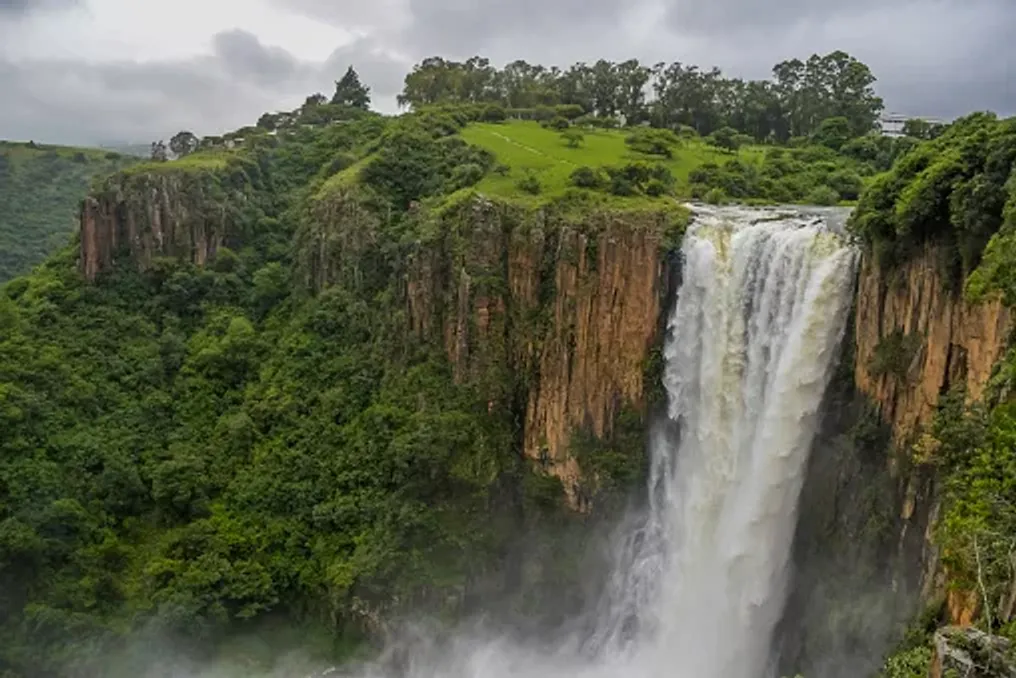
The journey can begin in Howick by visiting Howick Falls. Here, the Umgeni River plunges into a deep gorge, making this waterfall one of the most famous natural attractions in the Midlands. After viewing this spectacle, you should proceed towards Carlow.

Carlow is a suitable place to get out of the car and immerse yourself in nature. This area is known for its forests, meadows, and waterfalls, offering hiking trails of varying lengths—from short strolls to longer treks. For a more adventurous experience, visitors can take a tour through the Carlow forest canopy, or if a quieter retreat is preferred, opt for a shorter woodland walk.

Spring is ideal for exploring this part of the Midlands when the hills are green and the landscape is adorned with wildflowers. Next, head back to the Midlands Meander for lunch.

Along the route, there are numerous spots where you can stop to try farm-style food, local products, and something sweet. The Meander is renowned for its food producers, cafes, restaurants, and farm shops, so there is no need to plan every meal in advance.

One option is Piggly Wiggly near Lions River, where you can find food, shops, and entertainment in a rural setting. In the afternoon, you can drive through small settlements around Lions River, Ballgowan, and Nottingham Road. This is where you can best enjoy the Midlands at a slower pace: stopping at a farm shop, browsing an artisan store, or simply parking to admire the views.

The Midlands Meander encompasses everything from pottery and weaving to food producers, gardens, and galleries, providing many opportunities for spontaneous stops.

An overnight stay is recommended in the Nottingham Road area.

Take Your Time

Before returning to the Meander, you can have breakfast. The Midlands is known for its rustic cafes, farm produce, and relaxed restaurants, so breakfast should be viewed as part of the overall experience rather than just a stop before daytime activities.

In the morning, it is worth exploring the small towns and countryside around Ballgowan, Rosetta, and Nottingham Road. Pay attention to local produce, gardens, galleries, and artisan studios along the way; you do not need to visit them all, but choose a few interesting spots and allow time for detours.

Before lunch, you can take one last walk. The Midlands has several trails, including forest and country routes. Choose one that suits your pace and spend an hour or two outdoors instead of trying to squeeze in another major attraction.

Conclude the weekend with a lunch overlooking the Midlands countryside. Local cheese, baked goods, farm produce, and other artisan goods are part of what makes this region a popular destination for gastronomic stops.

If there is space in the car, make a final stop at a farm shop before heading home. The Midlands region does not require rushing. You should allow time to stop at a farm store, stroll through a garden, or sit down for a long lunch. Spring is especially beautiful for visiting due to the green hills, flowers, and fresh countryside, turning the travel between stops into part of the experience itself.

Similar stories

Options for a short getaway within a two-hour drive of Johannesburg
Read more
getaway.co.za

Options for a short getaway within a two-hour drive of Johannesburg

You don't have to spend half your weekend driving on the N1 highway to escape Johannesburg. These simple destinations are close enough for a Friday afternoon departure, yet far enough away to feel like a real break.

If the city starts feeling too noisy, there are many places within about a two-hour radius of Johannesburg where the pace of life slows down significantly. Some are perfect for leisurely lunches and long mornings, while others suit hiking, safaris, or water relaxation better.

Below are some options for a short escape from Johannesburg for your next weekend.

Magaliesberg

For classic countryside relaxation, you can hardly go wrong with Magaliesburg. The Magaliesberg mountains stretch out here, featuring a landscape of rocky cliffs, wooded valleys, meadows, and shrubs, creating a scene that makes the town seem very distant, even if it isn't.

This area is particularly suitable for a weekend because it doesn't require minute-by-minute planning. You can spend the morning hiking or mountain biking, then stop for lunch at a country restaurant, browse farm stalls and small shops along Magalies Minder, and in the evening relax in a cottage or country hotel. There are also opportunities for horse riding, fishing, rock climbing, rappelling, hot air balloon tours, and balloon rides.

For those more interested in history, the Cradle of Humankind is nearby, where Sterkfontein and Malapa caves offer an interesting deviation from typical weekend activities. Accommodation options include the luxurious Mount Grace Hotel & Spa or the more secluded Stone Hill Pet Friendly Boutique Self Catering Cottages.

Hartbeespoort

Known affectionately as Harties, Hartbeespoort is one of the easiest options for a short break from Johannesburg. The town is situated around the Hartbeespoort Dam at the foot of the Magaliesberg mountains, offering visitors a combination of water, mountain scenery, restaurants, and outdoor activities without the need for a long journey.

You can start by taking the Harties cable car to enjoy panoramic views of the dam and mountains, and then spend the day exploring the area's restaurants, markets, and attractions. Boat cruises and water sports are another option if you prefer to be on the water rather than near it.

Harties is also a good choice when everyone in your group wants something different. One person can book a spa treatment while another engages in an activity, and everyone can meet up for dinner later. Accommodation options include Watershed Guest House in Cosmo City and Hartbeespoort Dam Lodge, which offers another option close to the water.

Dinokeng Game Reserve

If you want to go on safari without committing to a five-hour drive, Dinokeng is the answer. Located in northern Gauteng, Dinokeng Game Reserve is the only Big Five reserve in the province and is malaria-free. It offers a surprisingly wild change of scenery for such a close location to Johannesburg, where you can encounter lions, elephants, buffalo, rhinos, and leopards among the wildlife.

One of the main advantages is the opportunity for self-guided exploration. The reserve has over 140 km of self-drive routes, most of which are suitable for sedans, and organized safari tours are available through accommodation providers. Your weekend here can be as active or relaxed as you wish: head out on safari early in the morning, return for breakfast, spend the hottest part of the day at the lodge, and go out again in the afternoon. Just remember that this is a Big Five reserve, so visitors must adhere to the reserve's safety rules and remain in their vehicles, except in designated areas. Accommodation options include The Lookout Safari Lodge within the reserve or iKhaya LamaDube Game Lodge for bushveld stays.

Parys

Parys proves that a small town can occupy you for an entire weekend. Located on the banks of the Vaal River in Free State, it combines antique shops, art galleries, restaurants, and cafes with a surprisingly adventurous side.

On a Saturday morning, you can stroll through the town, stopping by independent shops and galleries before heading out for lunch. If inactivity is not your idea of a vacation, the Vaal River offers canoeing, fishing, motor boating, and rafting, and the surrounding area is ideal for hiking, mountain biking, and other outdoor activities. Another reason to visit Parys is the Wedderboom Dome—a UNESCO World Heritage site formed by a massive meteorite impact about two billion years ago, which today is a landscape of ridges, valleys, and outdoor activities. Accommodation options include River Rock Lodge, South Africa, as a riverside option, and The Place Boutique Guesthouse Parys On The Vaal starting from R1100 per night.

The Vaal River

If your ideal weekend includes water, barbecue, and no pressing commitments, head to the Vaal River. The Vaal River flows through several towns and offers everything: from riverside guesthouses and restaurants to fishing, boat trips, canoeing, and river cruises. The Vaal Dam alone has about 880 km of shoreline, making this area a popular hub for water sports.

You can make your weekend as energetic or lazy as you like. On Saturday, you can spend time on the water, book a riverside lunch, and end the day watching the sunset, or simply take a book and promise yourself to do very little. For a more adventurous weekend, the river between Parys and Christiana is known for its white-water rapids.

Cullinan

For something a bit different, you can substitute the town with Cullinan, a historic diamond mining town east of Pretoria. The village was founded in the early 1900s and still retains much of its Victorian character, especially along Oak Avenue. Today, old buildings house cafes, restaurants, galleries, and shops, making it an easy place for a leisurely Saturday walk.

A clear attraction is the Cullinan Diamond Mine, where tours provide insight into the history of mining in the area. More adventurous activities are also available, including zip-lining, rock climbing, horseback riding, and quad biking. It is close enough to Pretoria and Johannesburg to be a day trip, but staying overnight allows more time to enjoy the town after the daytime crowds leave.

If you are willing to slightly expand the definition of 'within two hours,' Pilanesberg is one of the best options for a full bush weekend. The drive is longer than to other destinations on this list, but the reward is a complete safari weekend without the need to fly or travel as far as Lowveld. The park centers around ancient volcanic landscapes and is home to a wide variety of wildlife. It is particularly well-suited for a two-night stay: arrive on Friday, settle into accommodation and go on safari, then spend Saturday morning and afternoon on safari, and depart for Johannesburg on Sunday. If you plan to include Pilanesberg in a strict 'within two hours' list, check the travel time from your specific departure point before booking, as traffic and route can significantly affect it.

Cape Town Observatory Holds Night Tours and Open Evenings in September
Read more
getaway.co.za

Cape Town Observatory Holds Night Tours and Open Evenings in September

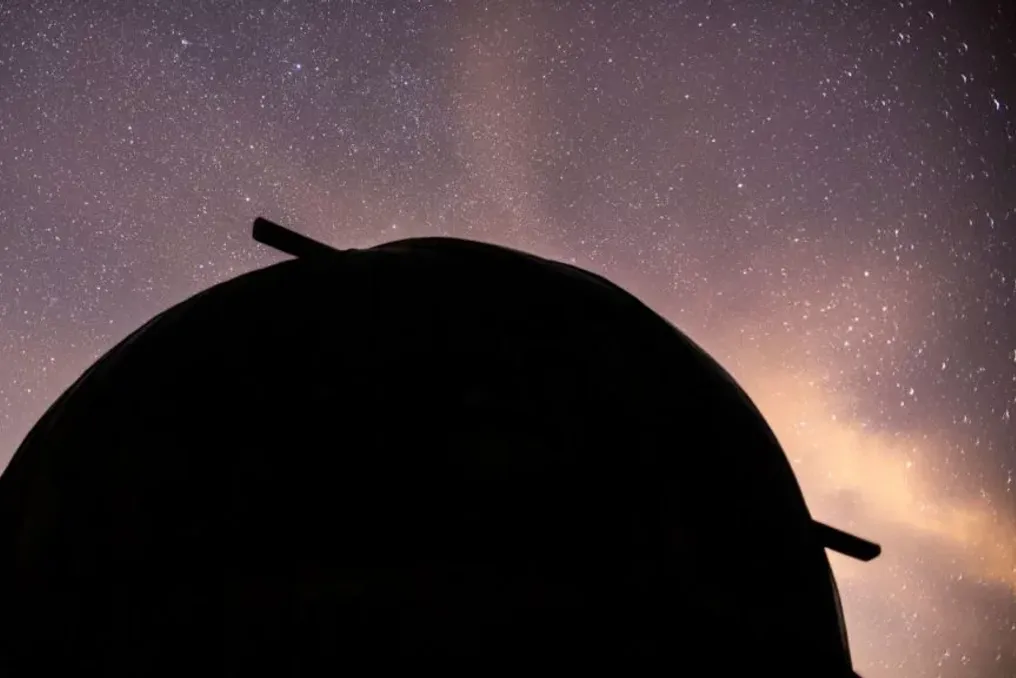
Residents of Cape Town looking for an alternative way to spend their evening can look up at the sky in September, as the South African Astronomical Observatory (NRF|SAAO) will open its historic facility for a series of night tours and open evenings.

Located at the Observatory on the grounds of the former Royal Observatory, NRF|SAAO combines astronomy with the history of one of the city's long-standing scientific institutions. The historic building of this site is recognized as a national heritage object.

Night tours offer visitors the opportunity to tour the observatory after dark while learning more about the history of astronomy in South Africa. The program includes visits to the Main Building, Visitor Centre, and Museum, as well as the historic McClain building.

Under favorable weather conditions, the evening may conclude with stargazing through telescopes set up for public viewing. Night tours are scheduled for September 8, 10, 15, 17, 19, 22, and 24, running from 8:00 PM to 10:00 PM.

For those who prefer to combine astronomy with a science-oriented presentation, the observatory is also hosting Open Evenings on September 12 and 26. These evenings begin with a lecture on astronomy or a related scientific topic, followed by guided tours of the observatory's heritage sections. Guests can see the library, museum, and the historic McClain telescope, and if the weather is good, stargazing will be offered through mobile telescopes.

Currently, Open Evenings are held at the observatory on the second and fourth Saturday of every month, making the September dates part of its regular public program.

Important Notes for Visitors

Although the opportunity to view the telescope is a significant part of the experience, it is not guaranteed. SAAO notes that stargazing depends on weather conditions; if conditions do not allow for telescope use, the planned astronomy and heritage events will still take place.

Visitors should also be prepared for an evening that requires moving between different locations. The observatory recommends wearing closed shoes and warm clothing, and advises bringing rain protection in case of expected rain.

Advance booking is essential as space is limited. SAAO also indicates that the tour fees support the observatory's education, public outreach, and socio-economic development programs.

Thus, September offers Cape Town residents several opportunities to visit the observatory after dark to replace ordinary evening plans with something focused on science, history, and the night sky.

A 48-Hour Journey Through the Olive Groves of Karoo, South Africa
Read more
getaway.co.za

A 48-Hour Journey Through the Olive Groves of Karoo, South Africa

Although olive oil may not be the first association when thinking of the Karoo, olive groves have become part of the agricultural history of this region amidst the dry mountains and vast sky. A 48-hour road trip through the towns of Prince Albert, De Raad, and Calitzdorp offers a different way to experience the Karoo and Little Karoo, following the path from tree to bottle, while allowing time to visit farm kitchens, historic settlements, and dramatic mountain landscapes.

This route is particularly suited for gastronomy-focused holidays, but you do not need to be an olive oil expert to enjoy it. Along the way, there are tastings, farm lunches, local produce, and many reasons to slow down.

The route should begin in Prince Albert, one of the most atmospheric towns in the Great Karoo, with the Swartberg Mountains rising in the background. In close proximity to the town, at the O for Olive at Swartrivier Farm, you can learn about the traditions of growing olives in the region. This farm has over 3000 mature olive trees on a 20-hectare property, including Mission, Manzanilla, and Leccino varieties.

The best way to gain experience is through a guided farm tour. The program includes visiting the olive groves, sorting tables, the fermentation room, and the olive press, concluding with a tasting and a light lunch at Café O. Tours must be booked in advance.

The appeal of the location lies in the contrast: beyond the greenhouses stretches the dry, open Karoo, while inside the farm, the landscape becomes green under the mountains. Visitors are advised to allocate time for lunch at Café O, a restaurant at Swartrivier Farm. The menu includes light lunches, tapas, fresh bread, and local products, and the farm shop sells cold-pressed extra virgin olive oil, olives, tapenades, and other goods. The cafe's open area overlooks the Swartberg Mountains.

If you haven't taken a farm tour yet, you can combine lunch with a tasting. This is a simple way to start distinguishing between oils—from fruity and bitter notes to the peppery aftertaste characteristic of many good cold-pressed olive oils.

After lunch, you can spend free time exploring Prince Albert itself. The city's architecture in Cape Dutch, Karoo, and Victorian styles, small galleries, and quiet streets deserve a walk. Here, the route transforms into something more than just a gastronomic journey: olive farms are woven into a landscape shaped by generations of agriculture and settlement.

As evening falls, you can have a Karoo-style dinner and go to bed early. The next day, the route delves into the Little Karoo.

Leaving Prince Albert, head to De Raad, where the olive route continues at De Rustica Olive Estate winery. This estate offers olive oil tours that begin in the greenhouses and then move on to tastings of various varieties. Guests can learn how olives are grown and harvested, and how the fruit turns into oil. During the harvest season, which usually runs from April to July at De Rustica, visitors can also see the extraction, filtering, and storage processes.

Tasting is the main lesson. Instead of viewing olive oil as a universal culinary ingredient, visitors begin to understand how different varieties produce different aromas, flavors, and levels of bitterness and pungency. The estate also has a coffee shop where you can stop for breakfast, drinks, and light snacks against the backdrop of the Little Karoo landscape.

From De Raad, continue towards Calitzdorp, allowing the landscape to become part of your plan. It is here that the advantage of a self-driving route over simply visiting a few farms becomes apparent. The distance between stops allows time to appreciate the changing landscape—dry plains, mountainous masses, and isolated farms alternating with the greener agricultural scenery found in other parts of the Western Cape.

If you travel during the olive harvest, the route becomes especially interesting, as this is when the greenhouses operate most actively. Closer to Calitzdorp, the olive trail ends at Pètra Olives, located on Droëkloof Olive Estate beneath the Swartberg Mountains. The first olive trees on this estate were planted in 2007, and today its greenhouses include Frantoio, Leccino, Mission, Manzanilla, Coratina, Koroniki, and Picual varieties. The farm is still managed by the sixth generation of the Nel family.

The location makes this stop suitable. The relationship between the mountains, climate, and agriculture is particularly clear here, as the olive trees grow in a landscape better known for its harshness than its greenhouses. Pètra's oils have also received recognition at the annual SA Olive competitions, making this farm worthwhile for anyone interested in South African olive oil production.

At first glance, the Karoo might seem an unlikely place for olive cultivation. Its dry climate and sharp temperature fluctuations are part of what makes the region unique. Olive trees are well-adapted to Mediterranean-type conditions, and producers in the Karoo and Little Karoo have created greenhouses that work in harmony with the region's climate, not against it. This adds an interesting agricultural history to the route. The landscape is not just scenery between tasting rooms; it is part of what goes into the bottle.

The variety of cultivars also means that no two tastings will be the same. Frantoio, Coratina, Mission, Manzanilla, and other varieties can yield oils with noticeably different characteristics. The period from April to July is especially appealing if you want to see olive production in action, although exact harvest dates vary depending on conditions and location. For example, De Rustica indicates the period from April to July as its harvest season.

For a quiet weekend dedicated to food and scenery, it is worth traveling outside the busiest periods and booking farm events in advance. Keep in mind that many small producers operate on limited schedules or by appointment. Check opening hours before you leave, especially if planning your route around tastings.

The best approach to this route is not to rush from one producer to another. Allocate time for a long lunch, take photos, stroll through Prince Albert, and leave room for unexpected farm shops or roadside stalls. Most importantly, taste the oils correctly. Try them with bread, compare different varieties, and pay attention to the aroma, bitterness, and pungency. By the end of the weekend, olive oil will cease to be just a condiment and will become an expression of the place.

Popular