August 2026 became the hottest August in world history. According to the latest data from the Copernicus Climate Change Service (C3S) of the European Union, the average temperature in this month matched the records of July 2023. The global average temperature in August exceeded pre-industrial levels by 1.65 degrees Celsius.
The consequences of this rising heat were noticeably felt in Europe. The period from June to August 2026 was among the hottest summer seasons, comparable to the figures of 2024. Overall, the summer of 2026 was the third hottest in Europe, and the hottest on record in Western Europe.
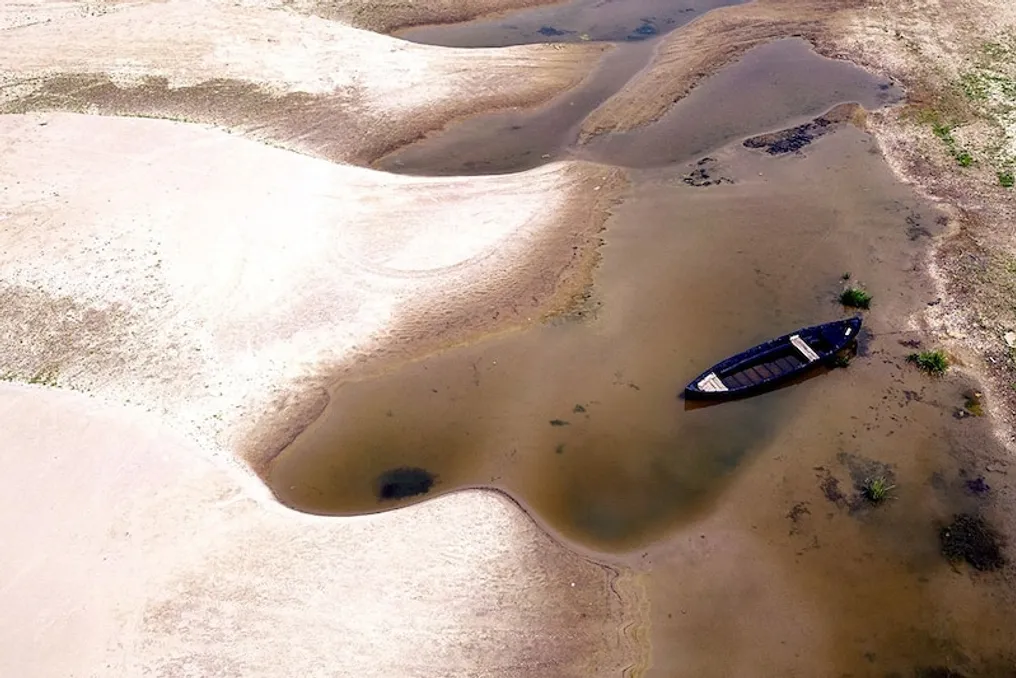
A significant decrease in precipitation in most regions of Europe in August led to reduced soil moisture and a drop in water levels in several rivers. In countries such as France, the United Kingdom, Hungary, Romania, and Serbia, a situation of severe drought developed. It should be noted that the water flow in major rivers, including the Rhine, Danube, South Bug, and Dnieper, was significantly below normal.
In some areas, a prolonged period of hot and dry weather persisted. Although rains came in some places by the end of August, bringing some relief from the drought, heavy rainfall caused floods in other regions.
The average sea surface temperature in extrapolar oceans also reached a record level in August, equal to the figures from March 2024. The maximum daily sea surface temperature in the extrapolar ocean was 21.11 degrees Celsius. Furthermore, the sea surface in the tropical Pacific Ocean remained very warm, while the El Niño situation continued to strengthen. The rise in sea temperature under global warming can affect the weather worldwide.
In August, the average extent of sea ice in the Arctic ranked 12th in the lowest rating, indicating a significant reduction in sea ice area compared to the norm. Heat and drought also affect forest fires in Indonesia, as the August weather proved favorable for an increase in seasonal forest fires.
Copernicus data demonstrates that the consequences of rising global temperatures are becoming evident in many places. Experts emphasize the need to reduce fossil fuel use, promote clean energy, and prepare for the consequences of climate change.