Apple has expanded its ecosystem of wearable gadgets by releasing the new AirPods 5, Watch Series 12, and Watch Ultra 4 models. These releases aim for deep integration of artificial intelligence directly into wearable devices, as well as the development of non-invasive health monitoring methods.
By combining new specialized silicon with improved acoustic and biometric sensors, Apple seeks to strengthen its position in the headphone and smartwatch segments, where competitors are actively increasing health tracking and voice capabilities.
The wearable technology sector has evolved from simple step counting to continuous physiological monitoring and environmental voice recognition. Manufacturers are forced to improve algorithm accuracy and energy efficiency in response to competitors' advanced recovery metrics and adaptive audio filtering.
AirPods Lineup Update
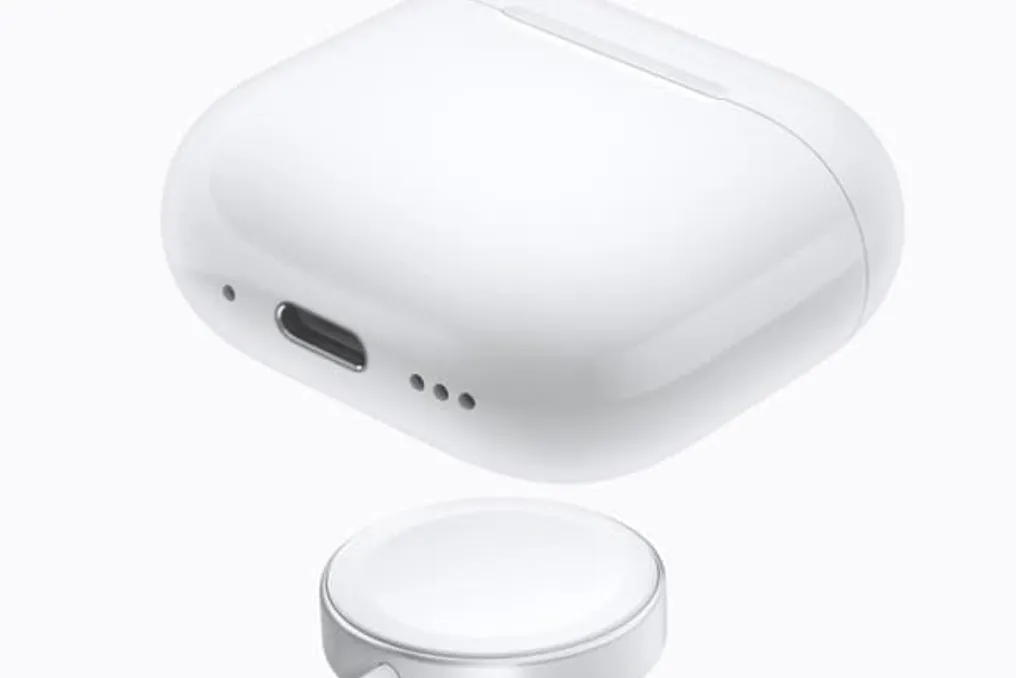
The wireless headphone lineup has been updated with the release of AirPods 5. This model now offers open-design active noise cancellation, using external microphones and reverse sound waves to reduce background noise without requiring a sealed silicone seal in the ear. Thanks to a multi-port acoustic architecture and computational audio algorithms, the headphones suppress external sound 50% more effectively than AirPods 4 with ANC.
Transparency mode has become more natural when passing through ambient sounds, and the Adaptive Audio feature dynamically adjusts noise reduction based on environmental conditions. The headphones are equipped with the latest Adaptive Equalizer, which tunes sound frequencies to the individual ear shape. When used with a smartphone supporting Apple Intelligence and running iOS 27, AirPods 5 allow users to control Siri without touching them, such as by nodding or shaking their head. Furthermore, computational audio provides Live Translation in different languages directly through the headphones.
Dave Pakula, Apple's Vice President of Hardware Engineering, noted that the release of AirPods 5 allows for the implementation of Active Noise Cancellation—one of the most popular features—in the most accessible model. He added that both versions of AirPods 5 provide a high-quality listening experience and activate features like Live Translation for a larger number of users, making them a breakthrough in unlocking powerful hands-free control capabilities when combined with Siri AI.
The standard AirPods 5 model is priced at 14,900 rupees. The second version, which includes a case with wireless charging, volume swipe control on the stem, and up to five hours of use with ANC enabled, is offered at 17,900 rupees. Both models are available for pre-order until the official launch on Friday, September 18th.
Smartwatch Innovations
Regarding smartwatches, the Apple Watch Series 12 introduces a Health Sensor System powered by the S11 chip. Redesigned optical and electrical heart sensors track heart rate every five seconds throughout the day using energy-efficient green LEDs. Heart Rate Variability (HRV), which measures fluctuations between heartbeats to assess physical stress and recovery, is now sampled 24 times more frequently.
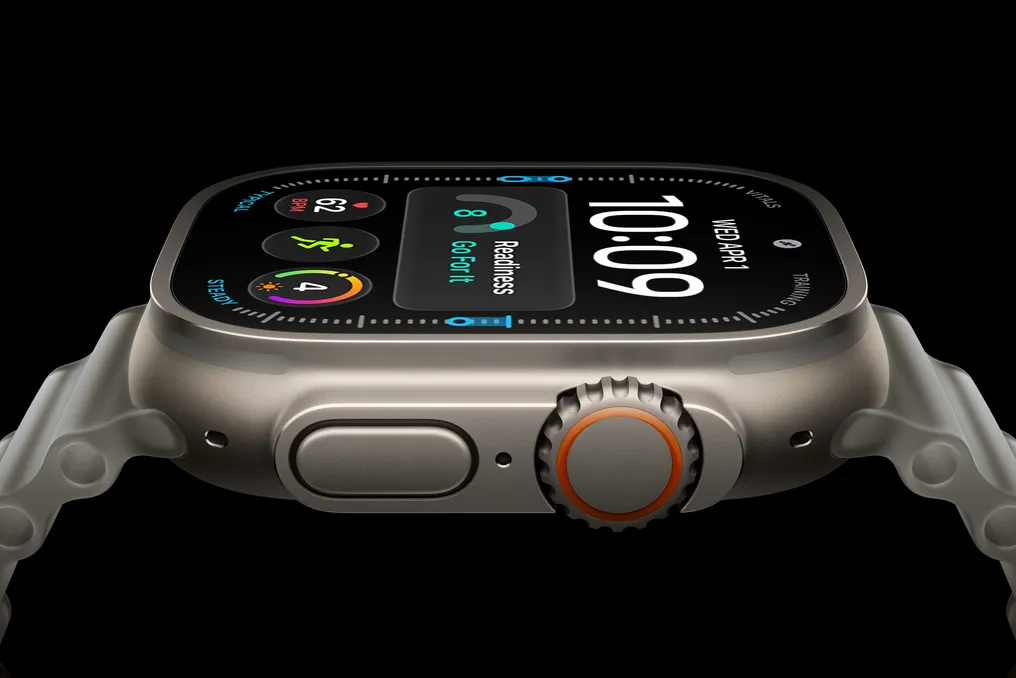
Using these continuous measurements, Series 12 introduces a daily readiness score ranging from 0 to 10. This score is based on algorithmic models from the Apple Heart and Movement Study and analyzes sleep quality, recent workout load, and vital signs to advise the user whether they should recover, maintain pace, or increase exercise intensity. The smartwatch also features redesigned machine learning algorithms for the pedometer, improving step count accuracy, as well as fast charging, allowing up to 12 hours of use after a 15-minute charge.
Series 12 also debuts with Audio Intelligence features, including Live Rewind, which displays a 15-second text snippet of a recent conversation, and Siri Summary, which generates general overviews. To ensure privacy, the raw audio signal is processed in a hardware-isolated section on the S11 chip called Secure Enclave, after which it is immediately deleted.
Kayann Drance, Apple's Vice President of Product Marketing for Apple Watch globally, commented on the health improvements: 'With our new Health Sensor System and the S11 chip, the Apple Watch Series 12 provides you with valuable information, such as readiness, so you can better understand how to start your day and take care of your health, as well as intelligent features that simplify daily life.'
The Apple Watch Series 12 is available in aluminum, titanium, or ceramic casings; the aluminum models are equipped with Ceramic Shield 2 glass, which is 60% stronger than the previous Ion-X glass. Available sizes are 42mm and 46mm, with a starting price of 56,900 rupees, and sales will begin in stores on September 18th.
Extreme Conditions Model
The Watch Ultra 4, designed for athletes in extreme environments, integrates the Health Sensor System, the S11 chip, and the readiness assessment system into a 3D-printed titanium casing. The watch is available in natural and black colors. The smartwatch offers extended battery life: up to 50 hours of standard use, up to 84 hours in low-power mode, and up to 45 hours of outdoor workout tracking in Max Extended Workout mode with per-second GPS sampling.
The watch includes dual-frequency GPS for precise mapping in challenging conditions, as well as safety features such as satellite communication for SOS emergency calls and Find My messages when cellular coverage is unavailable. Ultra 4 runs on watchOS 27 with Siri AI support, although some AI features are still in beta testing and depend on regional deployment.
Drance emphasized that the Watch Ultra 4 is designed to support the user wherever they go—from workouts to adventures and everything they do during the day—thanks to powerful health and fitness data, new intelligent capabilities, and a large bright display.
The Watch Ultra 4 starts at 109,900 rupees, and its arrival in stores is scheduled for Friday, September 18th.