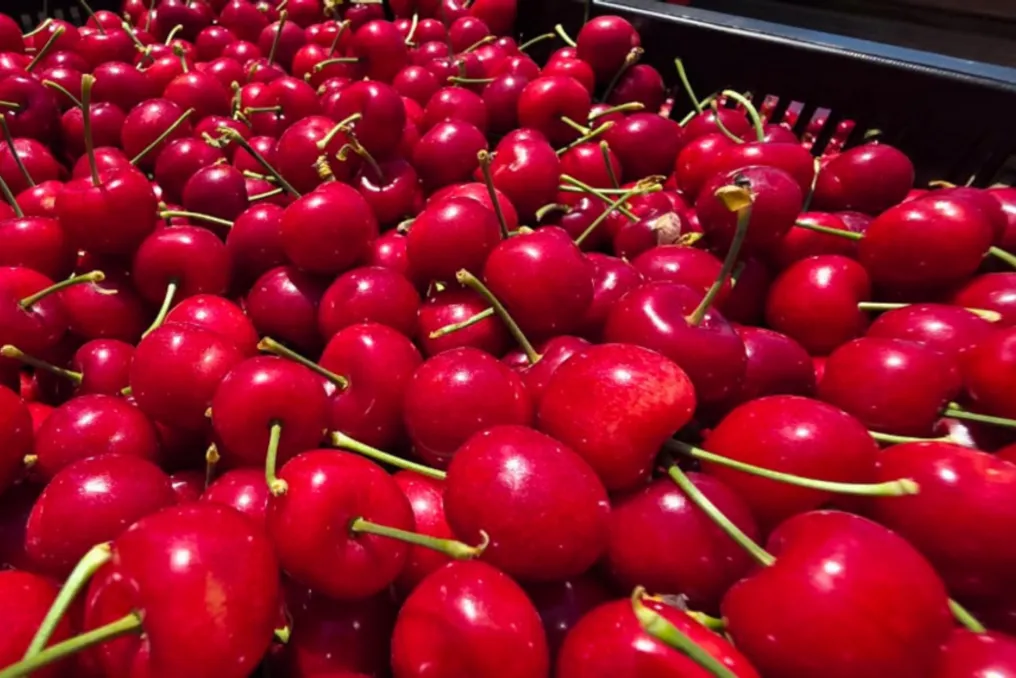
Cherry exporters from South Africa have gained access to one of the world's most profitable fresh produce markets following the official signing of an important trade protocol with China.
The agreement was signed on September 8, 2026, in Beijing during the ninth Ministerial Meeting on Sanitary and Phytosanitary Matters. The parties who signed the document were South African Agriculture Minister Willie Aukamp and Sun Meijun from the General Administration of Customs of China (GACC). This contract provides direct access to the Chinese market for South African cherry producers for the first time.
The opening of this market comes at a critical time, as China imported about 586,900 tons of cherries worth $3.3 billion in 2025 (approximately 60 billion rands), cementing its status as the world's largest cherry importer. The South African Ministry of Agriculture expects this new market access to stimulate domestic investment in cherry production and create around 600 new jobs.
Leading export company Tru-Cape Fruit Marketing reacted positively to this decision, emphasizing the huge commercial potential for local farmers. Roel Pinaar, Managing Director of Tru-Cape Fruit Marketing, stated that they welcome this development as it opens another market opportunity for South African cherries.
He noted that the demand for cherries in China is evident, and the market presents an exciting opportunity for South African producers, especially because the season allows them to supply fruit earlier, before volumes from Chile reach significant levels in the market.
Currently, about 80% of Tru-Cape's cherries are sold domestically, and the remaining 20% are exported mainly to Middle Eastern markets. China offers a vital chance to diversify these export channels.
Accessing the Chinese market involves certain challenges. Local exporters will need to adapt to strict consumer preferences, particularly regarding fruit size. Johan Brink, Sales Director at Tru-Cape, notes that Chinese consumers prefer larger cherries, with fruits measuring 28 mm or more being of greater interest.
Nevertheless, the company believes that size is only part of the equation, pointing to the superior taste quality of South Africa as a clear competitive advantage. Lawrence Killian, Tru-Cape's Marketing Manager for the Far East, explained: 'While size is undoubtedly important in China, we believe that the taste of South African produce can play a strong role in our favor. South African fresh produce is already associated with quality among Chinese buyers. This gives us a platform to bring our cherries to the market.'
Timing will be crucial to South Africa's success. South African cherries are expected to arrive in China around week 44, whereas mass production from the main competitor Chile usually begins around week 49.
Killian noted: 'Although we do not initially expect large exports to China, we see a real opportunity in this short, early window.' He added that China is a major market for cherry consumers, and larger fruits are often purchased as gifts, which explains the premium associated with larger sizes. However, the ability to arrive earlier provides another potential differentiator.
Timeliness remains critical, as high premiums for the early season quickly diminish once large shipments from Chile appear on shelves. To capitalize on this narrow window, Tru-Cape is already negotiating with potential Chinese clients and plans to use air freight for initial batches.
Brink stated: 'It makes more sense for us to export cherries by air. Shipping creates a greater risk that we might miss this early market opportunity.'
Ultimately, Tru-Cape aims to find the optimal balance between fruit size, premium timing, taste quality, and pricing to establish a permanent presence in East Asia. Pinaar concluded: 'It is about understanding what Chinese consumers want and determining where South African cherries can successfully compete. Size is an issue, but it is not the whole story. Our taste quality, the reputation of South African produce, and our early season timing give us grounds to be optimistic.'