Spring Awakens Kindness in History and Spirit
Read more
IOL
iol.co.za

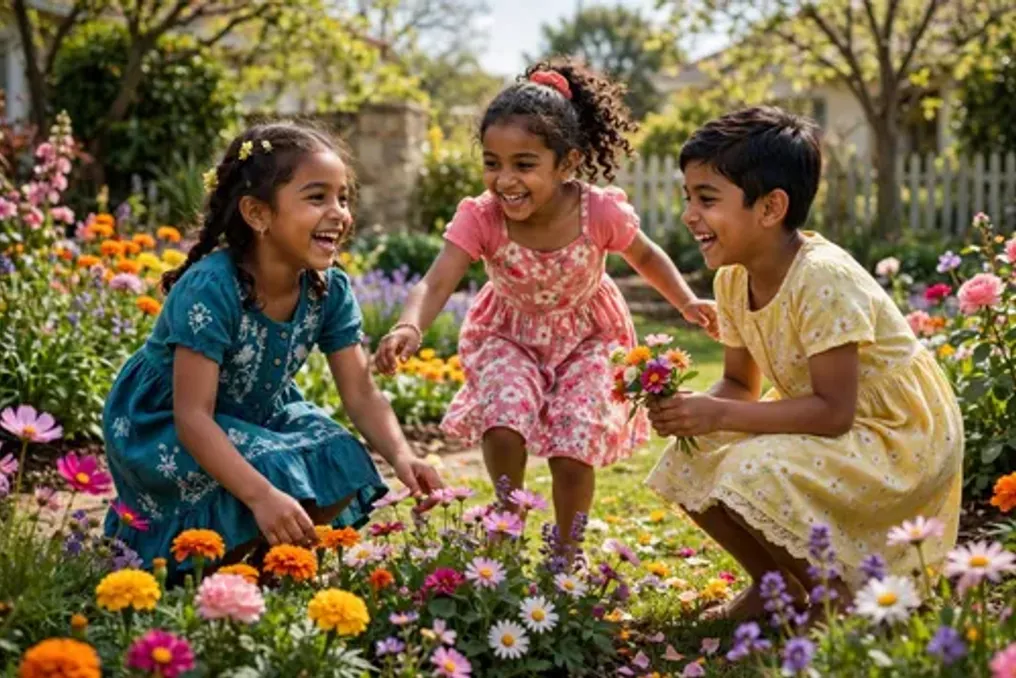
Spring Awakens Kindness in History and Spirit

The author argues that spring brings not only warmth and beauty but also reminds us of the power of kindness. As invisible snowflakes melt, the sunlight seems warmer. The arrival of spring is not quiet; it blooms profusely in the most unexpected places—from cracks in roofs to potholes in roads.

Spring rains remind us of the beautiful promise that exists in nature, and that no storm lasts forever. The sun continues to rise, like a fresh layer of paint on fading flowers, turning a walk outdoors into a living portrait.

This season is not for self-analysis; it encourages gratitude. Nature carries metaphors that become poetry before our eyes. It is important to walk barefoot on the grass, feel the essence of the earth we often take for granted, and inhale the scent of flowers. The air becomes much sweeter when we look around with the intention of admiring.

A story is told about a little girl named Lara, who had green fingers and the ability to grow the most beautiful flowers. She was taught how to plant seeds and watch them bloom in her own garden.

Her friends watched her dance among butterflies, chasing hyacinths. The sun followed her, and sunflowers shone while she smiled, proud of her gardening. Lara joyfully gathered lilies, tulips, and peonies, placing them in a basket and heading toward the fence.

However, her heart sank suddenly when she looked at the withered ground. Despite having tended her land for weeks, nothing was growing next to her in her friends' gardens. This seemed wrong. She ran to her large shed and took everything her small hands could hold: a watering can, a small plant teapot, as well as a shovel and a hoe, putting them in a wheelbarrow.

She called the bees, her busy gardeners with an important task; they needed to work. Lara had a great plan to help her friends revitalize their gardens so they could grow together. They spent days planting plants alongside the hardworking bees, which drank nectar for pollen, helping the flowers form seeds. It took some time, and sometimes it rained, but it was necessary.

They did not give up. Progress was observed; it was not always obvious, but Lara believed in herself and her friends. Suddenly, in the middle of an ordinary day, a tiny sprout appeared, and then another; the earth soon filled with color.

Lara, the little girl, had green fingers and a beautiful garden, but her true strength lay in kindness. She danced every day among narcissus and daisies, admiring her friends more than the flowers.

The author wrote this story for children but believes that everyone can reflect on the lesson. People are very much like flowers: we sprout from the seed of beliefs and grow thanks to the soil nourishment that determines the strength of our roots, and then develop into a world of unique personalities. We all look different next to each other, but together we create a exquisite garden of flowers.
Similar stories

Spring as a reminder of the possibility to start life anew at any moment
Read more
iol.co.za

Spring as a reminder of the possibility to start life anew at any moment

Nature in spring is often perceived as an invitation to improve life. After months when branches were bare, mornings were cold, and fields seemed closed off, color returns. Flowers bloom, trees begin to swell, days become brighter, and life resumes in full splendor almost unnoticed.

Perhaps this is why spring has always served as such a powerful symbol of renewal. The author believes that there is something profound in the message that spring carries. It does not arrive pretending winter never happened; it reminds us that winter is not eternal or permanent.

Are we not all experiencing a similar 'winter' in our lives? Winter is a cold, dry period felt not only in nature but also in our personal lives. There are times when everything seems empty, and doubt arises as to whether warmth and color will return. And then spring arrives.

In the author's opinion, spring is Mother Nature herself, calling for renewal. It urges us to start again, to try again, but most importantly, to remember that starting anew does not mean starting from scratch. We take our experience, lessons, mistakes, resilience, and wisdom gained after enduring what seemed like it would break us.

Sometimes, renewal manifests through loss. This could be the loss of a loved one or receiving a frightening medical diagnosis for oneself or a loved one. Renewal can come after changing career paths after years spent doing something that no longer brings joy, which is terrible when your identity has been built around an activity for years.

Renewal can also come after business bankruptcy or when circumstances force one to give up something into which much soul has been invested. It can happen following the end of marriage or long-term relationships. Or perhaps a person has never found love and now wonders if it is too late. Dating can be frightening at any age due to issues of confidence, rejection, vulnerability, and knowing the rules of the world of love.

Furthermore, there are decisions made because an inner call sounds: 'I want something different.' This could be moving to another state, a new city, or even another country. Leaving behind familiar streets, faces, and the sense of security from knowing where everything is can be both exciting and frightening.

Perhaps it is a change in appearance, weight loss, improved health, or simply the decision to feel good in the mirror again. Although these things seem different, they share a common thread: they require us to envision a version of ourselves that does not yet exist. This can cause fear, but perhaps renewal lies not in knowing what will happen next, but in the courage to find out.

If you have lost someone, renewal can mean returning to life. This might involve therapy, talking to a trusted person, accepting a friend's invitation, or simply allowing yourself to laugh again. Happiness or a smile does not mean forgetting the departed person; it means you remain present for those who share that space. Find your way back to them.

A medical diagnosis may require the resolve to fight for health. This might include changing diet, exercising, quitting smoking, sugar, or alcohol, or finally taking that long-planned yoga retreat.

A career change may involve taking a free online course, consulting a mentor, starting one's own business, or simply having the opportunity to explore an option previously rejected.

Business recovery may require mastering a new approach to financial management, seeking advice, or accepting that the reborn business may look very different from the former one.

Perhaps this is the essence: renewal is not restoration. Spring does not bring back the exact landscape that existed before winter; it creates something new. Perhaps we should allow ourselves to do the same.

We often imagine renewal as something dramatic, expecting it to arrive with a grand plan and clear meaning. However, nature does not renew itself in this way. Spring begins quietly, and you too can start quietly.

You do not need to have the entire life plan before taking the next step. You do not need permission to rethink part of your life just because you have grown out of it. There is no age when renewal becomes inappropriate, and there is no deadline for starting over.

And if you find yourself in the middle of your own winter, remember: you are not starting from scratch. You are starting with everything you have lived. The season may have changed you, but it does not have to define you. Flowers will return, trees will swell, color will return, and perhaps you will too. After all, winter was never meant to last forever, and we always have spring.

How Spring Became the Main Language of Romance in Bollywood
Read more
iol.co.za

How Spring Became the Main Language of Romance in Bollywood

The arrival of spring was marked by the blooming of fruit trees and the blossoming of rosebuds across South Africa. This seasonal transition prompts a look at spring in Indian cinema, where it serves as the primary visual symbol of rebirth, awakening, romance, and pure delight.

Unlike monsoon season scenes focused on heavy downpours, or winter episodes preferring cozy sweaters against misty landscapes, spring plots in Indian cinema emphasize vibrant floral canvases, golden sunlight, gentle breezes, and festive palettes.

Indian cinema employs a specific set of visual techniques to convey energy and romantic awakening. Wide shots taken over manicured tulip gardens, wildflower valleys, and falling cherry blossoms create a fairy-tale, dreamy atmosphere. The dark, somber tones of the rain give way to bright pastel shades, flowing floral saris, and light fabrics that flutter with every step.

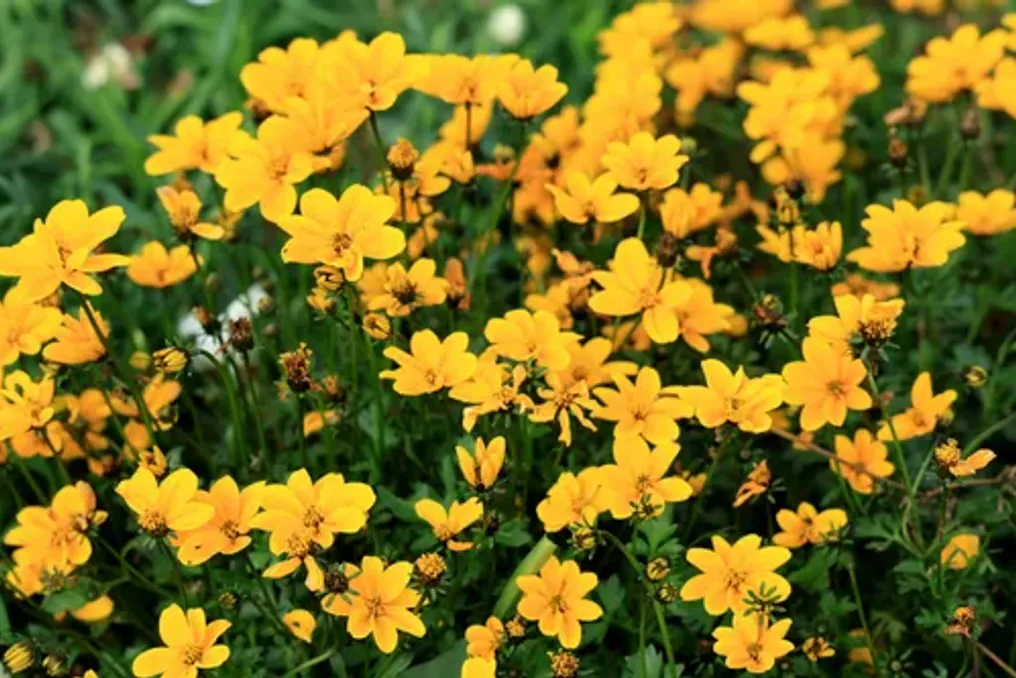
The festival of Holi, frequently featured in Indian films, brings explosive bursts of pink, red, green, and yellow powder, visually breaking emotional barriers and social constraints between lovers. Equally iconic are the fields of yellow mustard. Their brilliant golden expanses of thousands of flowering plants are associated with spring in North India, symbolizing homecoming, expansive romance, and deep cultural roots.

Director Aditya Chopra established the field of yellow mustard as the defining romantic landscape of Bollywood when Simran (Kajol) runs through a sea of golden mustard flowers into the embrace of Raja (Shah Rukh Khan), setting a visual benchmark that directors have used ever since.

Perhaps the best example is the iconic song 'Tujhe Dekha Toh Ye Jaana Sanam' from the 1995 blockbuster 'Dilwale Dulhania Le Jayenge'. Aditya Chopra cemented the status of the yellow mustard field as Bollywood's defining romantic landscape by depicting Simran (Kajol) running through a sea of golden mustard flowers into the arms of Raja (Shah Rukh Khan), creating a visual standard referenced by contemporary filmmakers.

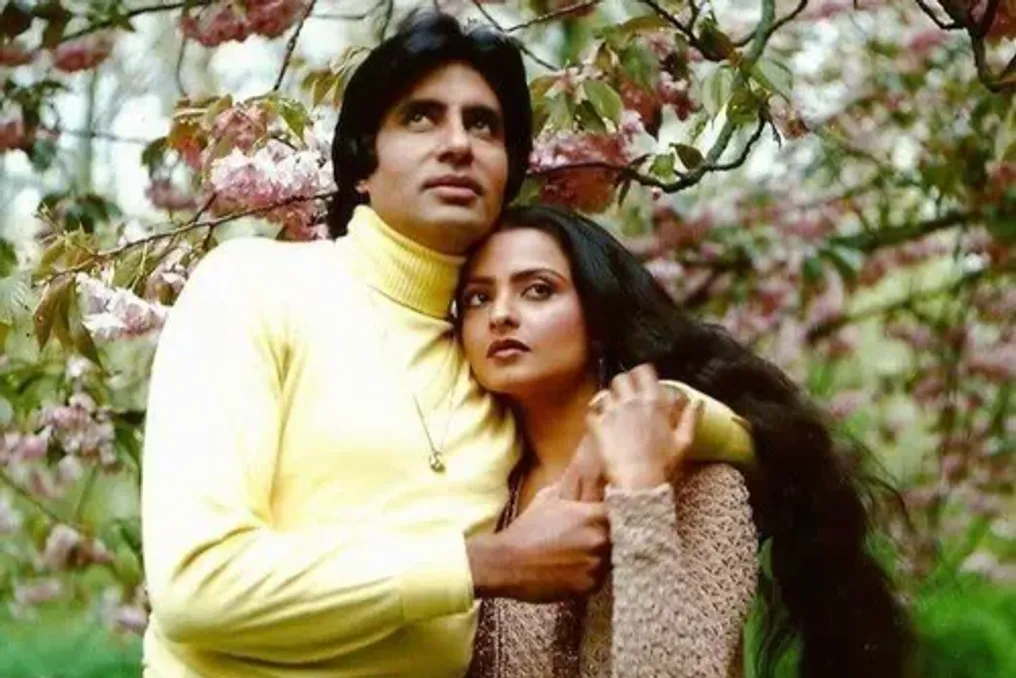
Chopra's use of this grand floral canvas builds upon the legacy of his late father, legendary director Yash Chopra. The elder Chopra is known for making the Keukenhof tulip gardens in the Netherlands the perfect backdrop for romance in the film 'Dil Se' (1981). The song 'Dekha Ek Khwaab' shows Amitabh Bachchan and Rekha strolling among endless rows of bright tulips, framing their forbidden love amidst a sea of spring flowers.

Later, Khan starred in two more films where the spring motif was used to enrich the romantic narrative. In 'Dil To Pagal Hai' (1997), the track 'Dholna' utilized lush green meadows, bright floral prints, and warm, sun-drenched horizons to convey youthful romance. Years later, the bright colors of Gulal powder scattered on happy dancing participants came alive in 'Mohabbatein' (2000) with the festive song 'Soni Soni', conveying the excess of spring celebrations breaking through rigid traditions.

Khan and Kajol reunited years later in 'Dilwale' (2015). In the track 'Gerua', the film lent a high-concept visual aesthetic to the romance, placing the actors amidst vast fields of bright yellow flowers, rainbow-lit waterfalls, and sun-drenched coastlines.

In modern Hindi cinema, spring imagery has transformed from large-scale, choreographed field shots to a stylized aesthetic, resort decorations, and sensory, real-life scenes. In the film 'Jab We Met' (2007), directed by Imtiaz Ali, the track 'Aao Milo Chalo' uses sun-drenched landscapes and blooming greenery across Himachal Pradesh to reflect Geet's (Kareena Kapoor) and Aditya's (Shahid Kapoor) emotional awakening and self-discovery. Here, open spring roads parallel the expanding horizons and the budding affection of the characters.

Festive spring motifs also received a modern update in Ayaan Mukherjee's film 'Yeh Jawaani Hai Deewani' (2013). The track 'Balam Pichkari' animates the spring festival of Holi with bright powders, colorful floral decor, and sunny street revelry. This scene serves not merely as a festive diversion but as a crucial turning point in the plot, symbolizing how the main characters shed their inhibitions and embrace open emotional connection.

In the film 'Highway' (2014), Imtiaz Ali presents spring not as a choreographed dance, but as wild, untamed freedom. He shows Veera (Alia Bhatt) running through golden mustard fields and valleys of mountain wildflowers, freeing herself from the past, using the natural bloom of the landscape to reflect her journey toward personal liberation.

Whether it is the eternal golden fields of Punjab mustard or modern, vibrantly colored festive sequences, spring in Indian cinema remains an enduring visual celebration of new life.

Popular