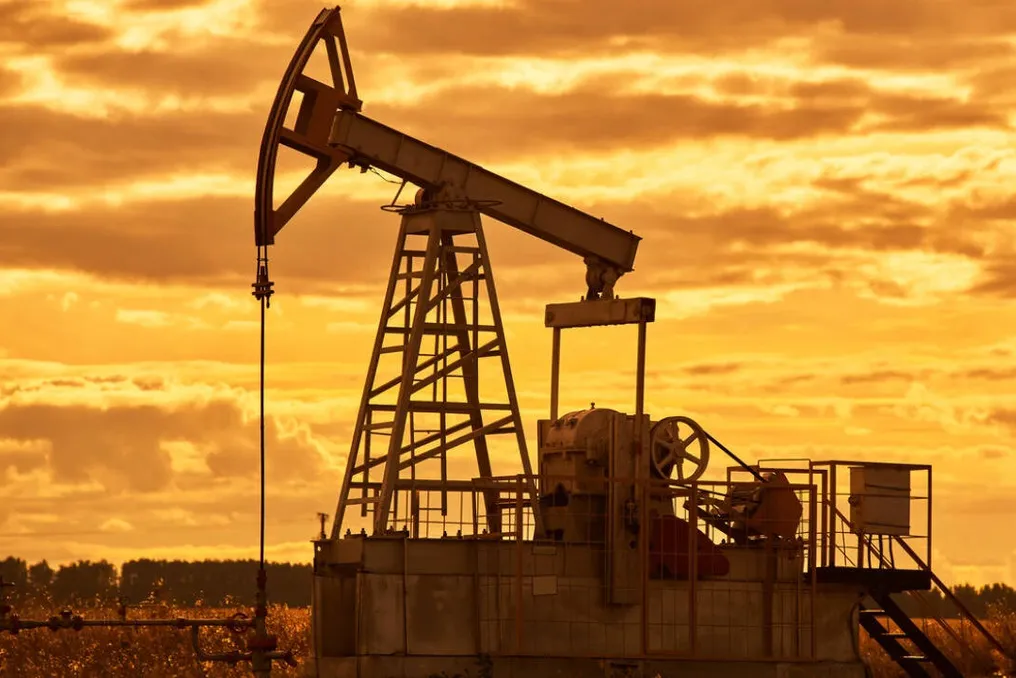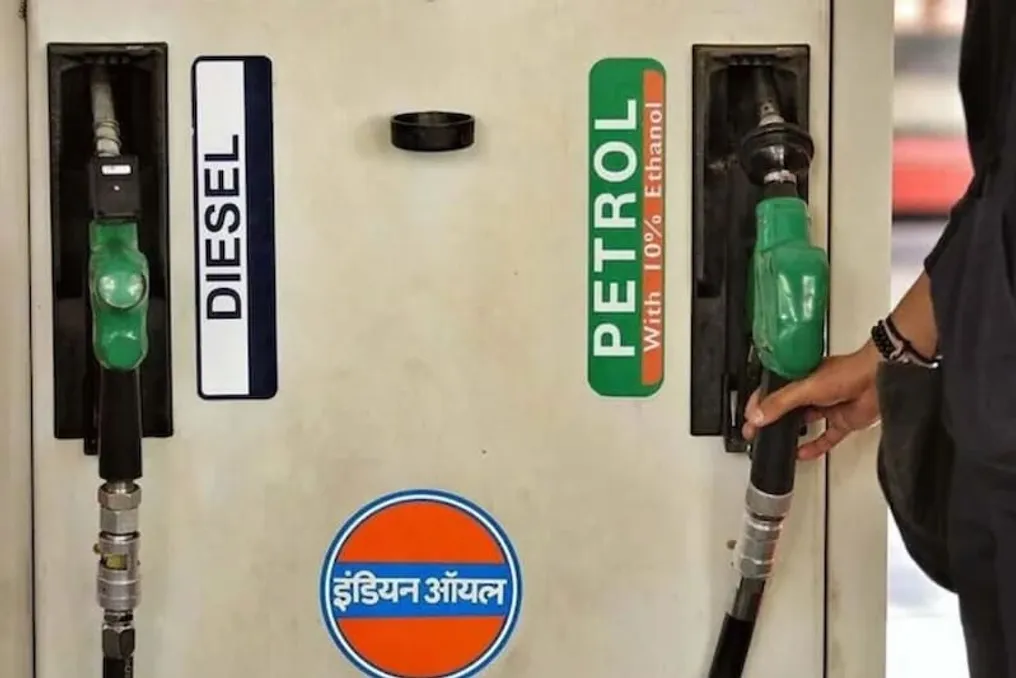
Although gasoline and diesel fuel prices are not currently placing additional burden on consumers, the rise in international crude oil prices is causing concern among state-owned oil extraction companies. The price of Brent Crude has once again exceeded the $100 per barrel mark, which directly affects the profitability of Indian oil companies. Estimates suggest that at current prices, state-owned companies are incurring losses of about 5 rupees per liter for gasoline and 23 rupees per liter for diesel fuel.
A key question arises regarding how the government and oil companies will cope with growing pressure if crude oil prices remain high in the global market, and whether this could affect future fuel prices. Although no decisions on price increases have been made at the moment, the rising losses of oil companies have intensified the challenges facing the government.
The increase in international crude oil prices is due to escalating tensions in the Middle East, triggered by the conflict between the US and Iran. Following a recent exchange of retaliatory fire between the US and Iran, the price of Brent Crude rose by approximately 2.5% and surpassed the $100 per barrel barrier. Concurrently, the American crude oil grade 'West Texas Intermediate' increased by about 2% to reach around $95 per barrel.
India imports over 88% of its crude oil requirements. Consequently, a prolonged maintenance of high crude oil prices in the global market could put pressure on the country's import bill, trade balance, and rupee.
According to Prashant Vaishista from the credit rating agency 'Inflection Control and Risk Assessment' (ICRA), the price of Brent Crude has exceeded $100 per barrel, and the price of Indian crude oil has also reached a high level. He noted that based on the average annual price for September, the marketing margin for gasoline is in a negative zone of about 5 rupees per liter, indicating losses for companies considering the current cost and retail price. For diesel fuel, the loss is estimated at approximately 23 rupees per liter. Furthermore, a revenue shortfall of about 200 rupees per cylinder for domestic LPG has been reported.
Despite the rise in global crude oil prices, retail prices for gasoline and diesel fuel have not changed at present. Prices in the country have been stable for over three months. The last increase occurred on May 25, when gasoline rose by 2.61 rupees and diesel fuel by 2.71 rupees per liter. Before that, in mid-May, the price of gasoline was increased by 7.35 rupees, and diesel fuel by 7.53 rupees per liter, over four stages.
The impact of expensive crude oil is also evident in India's import bill. According to the Petroleum Planning and Analysis Cell (PPAC), the crude oil import bill grew by more than 56% from April to July, reaching $63.4 billion. In the same period the previous year, this figure was about $40.5 billion. Notably, despite the price increase, the import volume has not changed drastically: in the first five months of the current fiscal year, India purchased about 81.9 million tonnes of crude oil, compared to 81.5 million tonnes the previous year.
According to PPAC data, the average price of Indian crude oil on September 8 was $108.91 per barrel, and the average price for September so far is $102.11. These figures are significantly higher than the averages for August ($90.19) and July ($82.04). Rajiv Sharn from Brickwork Ratings believes that the renewed surge of Brent Crude above $100 is mainly linked to tensions between the US and Iran and supply concerns, rather than demand growth. In his view, OPEC+ production remains stable, but crude oil prices may remain high and volatile next month.
The question now is not only how much crude oil is getting more expensive, but who will bear the burden of these increased costs. If international prices remain high for an extended period, the government may have several options. One is to allow state-owned oil companies to temporarily absorb the pressure on their margins while keeping retail prices stable. Another path could involve providing relief through tax or other fee reductions so that the increased crude oil costs do not fall directly on consumers.
However, the decision on any of these steps will depend on government policy, fiscal position, and global oil prices. A third option could be the gradual inclusion of some of the increased costs into retail prices if crude oil prices remain high for a long time. But it is premature to assert that such a step will be taken now.
The sustained rise in crude oil prices affects more than just gasoline and diesel fuel. The cost of sectors such as aviation, paints, tires, chemical industry, logistics, and FMCG may also increase. This could put pressure on company margins and increase the risk of inflation in the future. According to Rajiv Sharn, expensive oil could lead to a situation of expensive imports, an increase in the trade deficit, and pressure on the rupee for India.