Five Cape Town Markets Worth Visiting for Diverse Experiences
Read more
IOL
iol.co.za

Five Cape Town Markets Worth Visiting for Diverse Experiences

If you love buying vintage items or are looking for fresh farm produce, Cape Town has a market for every taste. Even if you have already visited popular spots like Neighbourgoods Market, Oranjezicht City Farm Market, and Mojo Market, the city has many other options.

Some markets attract visitors with their food, others with their atmosphere, local producers, or simply the chance to spend a Saturday in an unusual setting. Furthermore, not all of them require an early start.

Below is a list of five markets in Cape Town and its surroundings that are worth adding to your itinerary.

Kalk Bay Village Market

Kalk Bay is already a favorite spot for leisurely walks on weekends, and the Village Market offers another reason to stop here. It is located on the grounds of the Holy Trinity Church on Main Road. This is a smaller and more informal market where you can browse vintage finds, collectibles, handmade goods, and other interesting items before heading to the sea.

Additionally, there is street food and music, and the landscape offers views of the mountains and the ocean. Since its operation depends on the weather, it is recommended to check information before traveling.

Bay Harbour Market

If you haven't been to the Bay Harbour Market in a while, it is worth including it in your weekend visiting list. This market is situated in a former fish factory in the Hout Bay harbour, set against the backdrop of Table Mountain and Chapman's Peak. Inside, visitors can find food, fashion, jewellery, art, crafts, and decor, with live entertainment enhancing the atmosphere. It is an ideal place to come for lunch and spend much more time browsing the stalls.

The market operates on Fridays from 9:30 AM to 9:00 PM, and also on Saturdays and Sundays from 9:30 AM to 5:00 PM.

Market in the Garden

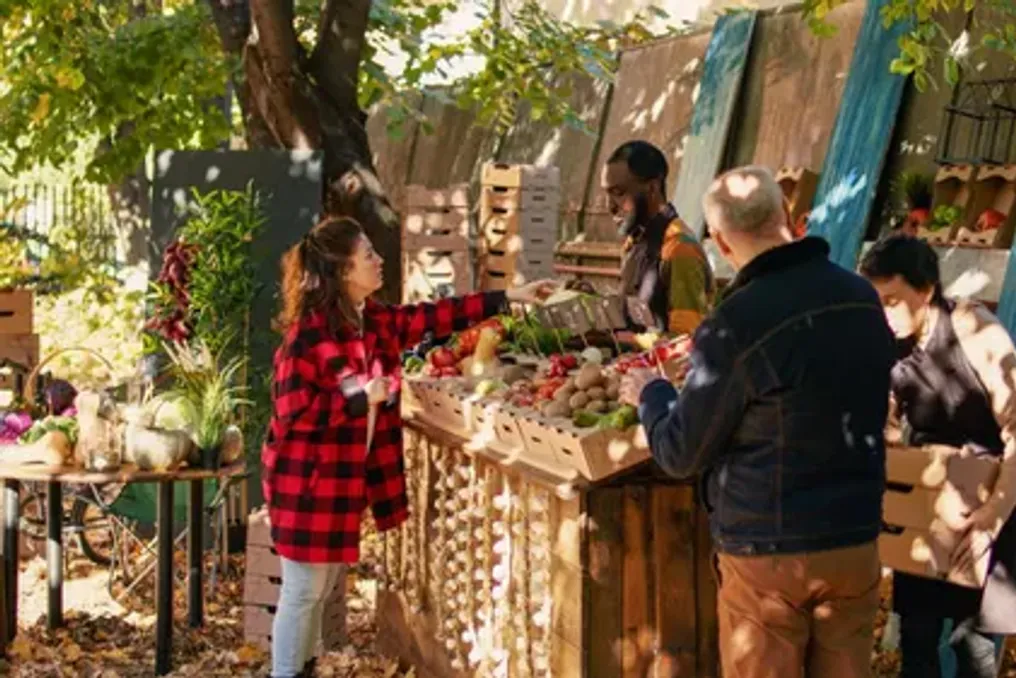
This market is worth making a trip for if you want your market visit to feel more like a daytime stroll rather than just regular shopping. It takes place inside the University of Stellenbosch Botanical Garden, where stalls are scattered throughout the garden instead of being gathered in a traditional market format.

Visitors can expect local producers, clothing, jewellery, artwork, baked goods, food, and other small finds, while music sets a Saturday atmosphere. You can also pop into the Botanical Cafe. Generally, the market is held on Saturdays, and current schedules show trading hours around 10:00 AM to 3:00 PM. The entrance fee is 15 Rand, but staff and students of the University of Stellenbosch enter free of charge.

Franschhoek Village Market

The Franschhoek Village Market is an excellent choice that can easily become part of a full day in the Winelands. It is located under old oak trees in the center of Franschhoek. It features food and drinks, fresh produce, handmade goods, art, vintage clothing, and antiques. For families and visitors wishing to have a relaxing Saturday, live music and a children's play area are also provided.

The market operates on Saturdays, and its operation depends on the weather. Entry and parking are free.

Five Markets, Five Very Different Outings

The appeal of these markets lies in the fact that they offer completely different experiences. Blue Bird is suitable for an evening out in Muizenberg, Kalk Bay fits organically into a coastal day, and Bay Harbour is a light weekend stop in Hout Bay. Stellenbosch turns the market into a garden walk, while Franschhoek provides a reason to spend a Saturday in the Winelands. Thus, if your usual set of Cape Town markets has started to feel predictable, perhaps it is time to choose a less trodden path.

Similar stories

Five Cape Town Museums Worth Visiting During Heritage Month
Read more
getaway.co.za

Five Cape Town Museums Worth Visiting During Heritage Month

Heritage Month offers an opportunity to look deeper than just the beaches, mountains, and culinary scene of Cape Town by immersing oneself in the histories that have shaped this city. Cape Town's museums showcase the most diverse facets of the city: from fictional to unexpectedly fascinating, and some are suitable for family outings.

If you plan to explore the history and culture of Cape Town in September, these museums should be included in your list of visits.

Iziko South African Museum

Visiting the Iziko South African Museum gives you a chance to journey through millions of years of South African history without leaving the Company Gardens. The museum's collections cover the natural world, archaeology, and human history, including exhibits ranging from fossils and ancient artifacts to marine specimens and displays of human evolution.

The museum's location allows for easy combination with other attractions in central Cape Town. You can spend the morning at the museum and then head to the Company Gardens or continue exploring other cultural sites in the city.

Address: 25 Queen Victoria Street, Gardens.

Zeitz MOCAA

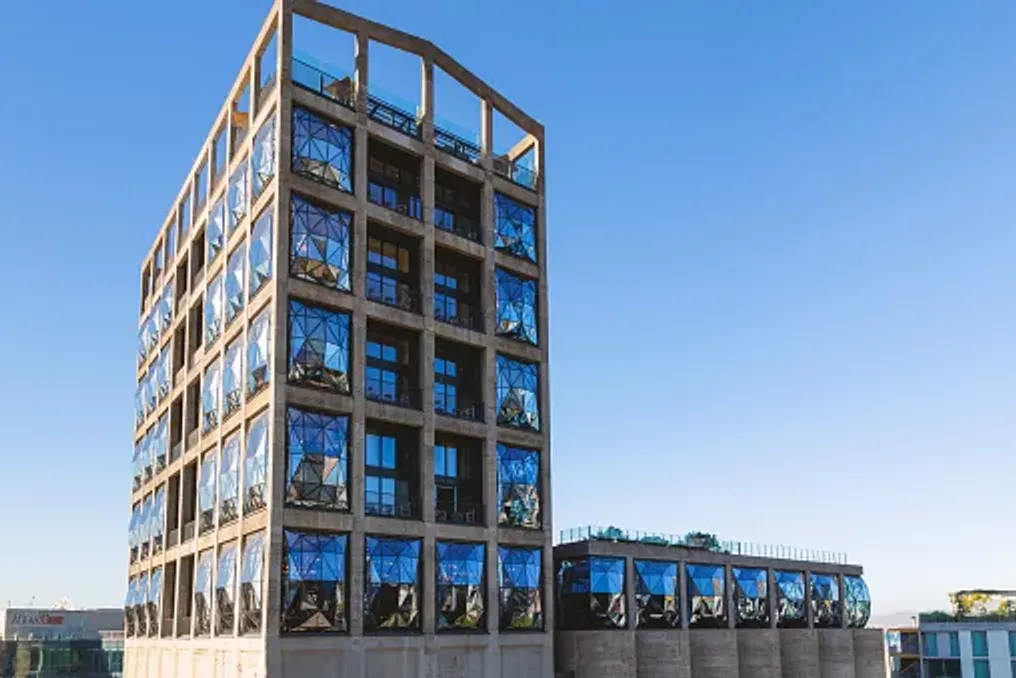
The Zeitz MOCAA focuses on contemporary African creativity and the discussions taking place on the continent and among its diaspora. The museum occupies a historic grain silo complex at the V&A Waterfront, making the building itself part of the exhibition. Inside the gallery, modern works from various countries, artists, and perspectives are presented.

This is a good choice if you want your Heritage Month outing to consider Africa's present and future alongside its past.

Address: Silo District, V&A Waterfront.

District Six Museum

To understand the more recent history of Cape Town, one can start with the District Six Museum, which offers an intimate space. The museum focuses on the experiences of people who lived in District Six before forced removals during the apartheid era changed the area. Personal stories and historical materials help visitors grasp the community that existed there and the consequences of its destruction.

This museum is more focused on listening to memories associated with a place that remains an important part of Cape Town's identity, rather than simply viewing exhibits.

Address: 25A Buitenkant Street, Cape Town CBD.

Heart of Cape Town Museum

Cape Town made a medical breakthrough in December 1967 when Dr. Christian Barnard and his team performed the world's first successful human heart transplant at Groote Schuur Hospital. The Heart of Cape Town Museum preserves the story of this remarkable moment, giving visitors insight into the medical team, the operation itself, and the hospital setting where it took place.

For those interested in science, medicine, or unusual chapters of Cape Town's history, this museum offers a completely different experience compared to the city's artistic and historical collections.

Address: Groote Schuur Hospital, Observatory.

Cape Town Diamond Museum

The history and economy of South Africa have long been closely linked to diamonds, and the Cape Town Diamond Museum provides a brief introduction to this topic. Located at the V&A Waterfront, the museum traces the diamond's journey from its underground origin through mining and the processes of transforming rough stones into polished gems. Exhibitions also include replicas of some of the world's most famous diamonds, including Cullinan.

This is a light addition to a Waterfront route if you want to fit in some history during a day of sightseeing.

Address: The Clock Tower, V&A Waterfront.

Cape Town's museums vividly demonstrate the city's multilayered nature. One visit can take you from prehistoric fossils to contemporary African art, while another can introduce you to personal stories related to apartheid-era displacement or a medical breakthrough that garnered international attention. This Heritage Month, replace your usual trip through Cape Town with a museum visit—perhaps you will leave with an understanding of a completely different side of the Mother City.

Cape Town Events Schedule for September 2026: Comedy, Concerts, Theatre, and Other Happenings
Read more
iol.co.za

Cape Town Events Schedule for September 2026: Comedy, Concerts, Theatre, and Other Happenings

Cape Town is preparing for a packed September 2026, offering city residents a diverse entertainment program that includes comedy performances, live music, theatrical productions, literary events, and boxing.

City dwellers can choose an event to suit their taste, whether it's a major evening outing, a concert, or a family activity.

Fight Island 6: 3 Crowns Boxing Tournament

The professional boxing tournament 'Fight Island 6: 3 Crowns' will take place at Makers Landing and V&A Waterfront. The program features 10 bouts with fighters from various regions of South Africa.

The event includes both championship fights and regional matchups across different weight classes, such as ten-round fights between Kaya Mlata and Hassan Milanzi, as well as Josh Feldman and Emile Brits. The fight will be held on Saturday, September 5th, from 17:00 to 23:50 at Makers Landing, located at 5 S Arm Road in Cape Town. Ticket prices start from R270 for standing room and R550 for seating.

Open Book Festival

The 'Open Book Festival' will once again take place at the Homecoming Centre for three days, offering listeners discussions, author meetings, storytelling, and literary events. The 2026 program focuses on African stories and covers a wide range of genres and themes.

Furthermore, the festival will include culinary events featuring authors such as Onezwa Mbola, Karen Dudley, Fehmz, and Jane Nshuti, as well as a market supporting local creators and entrepreneurs. The events will run from September 4th to 6th, with varying times, and entry to each event costs from R50.

Theatrical Production 'Mamma Mia!'

The South African version of the musical 'Mamma Mia!' will present the music of the group ABBA on the stage of the Artscape Theatre Centre. The production features local cast, crew, and a musical band. Amra-Fay Wright will play the role of Donna Sheridan. Songs featured in the show include 'Dancing Queen', 'Knowing Me, Knowing You', and 'Voulez Vous'. The performance runs from September 3rd to October 11th, on Tuesdays through Fridays at 19:30, with daytime shows also held on weekends. Tickets are available in the range of R280 to R580 at Artscape Theatre Centre, Opera House, D.F. Malan Street, Foreshore.

In parallel, the Cape Town Philharmonic Orchestra will return to Cape Town City Hall for a series of spring symphonies. The orchestra will be accompanied by Russian conductor Daniel Ryksin and French pianist Liza de la Salle. The repertoire includes Rachmaninoff's 'Piano Concerto No. 3' and Shostakovich's Symphony No. 15. The concert will take place on Thursday, September 10th, at 19:30 in Cape Town City Hall, Darling Street, Cape Town City Centre. Ticket prices range from R210 to R495.

Hilton Schilder Live Quartet Performance

Cape Jazz musician Ghoema Hilton Schilder will perform a chamber quartet concert at Athletic Club & Social. He will be accompanied by Karin Thompson on violin, Clayton Norman Pretorius on bass, and Kurt Bowers on drums. The performance is scheduled for Friday, September 11th, from 21:00 to 23:00 at Athletic Club & Social, located at 35 Buitengracht Street, Cape Town City Centre. The ticket price is R200.

Kenny Lattimore R&B Singer Concert

Grammy nominee R&B singer Kenny Lattimore will return to Cape Town for a one-day performance. This will be his first major show in the city in over ten years. The singer is known for his catalog in R&B and soul genres, including songs like 'For You', 'Never Too Busy', and 'Forever'. The concert will take place on Sunday, September 20th; gates open at 17:00, and the show is scheduled to start at 20:00 at Grand Arena, GrandWest, 1 Jakes Gerwel Drive, Acacia Park, Goodwood. Tickets are available in the price range of R990 to R1,490.

Bafunny Bafunny Comedy Festival

Trevor Noah will head the debut 'Bafunny Bafunny: Festival of Comedy', gathering a team of renowned and rising South African comedians in Cape Town. Noah serves as the lead curator and captain of the national South African comedy team, while Eugene Khoza holds the position of vice-captain. This national comedy tour aims to bring the energy of a major sporting event to stand-up comedy. The festival will take place on Friday and Saturday, September 25th and 26th, from 18:00 to 23:00 at Grand Arena, GrandWest, 1 Jakes Gerwel Drive, Acacia Park, Cape Town. Ticket prices start from R475.

Five African Food Markets Worth Visiting While Traveling
Read more
getaway.co.za

Five African Food Markets Worth Visiting While Traveling

Across Africa, there are markets that range from vast shopping centers to historic produce halls and evening squares transformed into open kitchens. These five markets are places worth planning a trip for.

For instance, in Kumasi, the scale of the Kejetia market demonstrates the significance of food trade to the Ashanti people's life. In Dakar, the Kermel market supplies fresh seafood and groceries to the city center, while Mercato in Addis Ababa offers insight into the rich culture of Ethiopian ingredients.

In Antananarivo, rice and highland produce predominate, whereas Marrakech offers one of the best gastronomic experiences after dark.

Kumasi: Kejetia Market

The Kejetia Market in Kumasi is not just a place for a quick visit, but rather a space where you can spend hours trying to grasp its essence. This enormous trading hub is one of the key commercial spaces of the Ashanti capital, where besides food, clothing, textiles, and household goods are sold. The trade here reflects the region's agricultural wealth.

Among the traded goods, you can find plantains, cassava, yams, corn, coconuts, tomatoes, and chili peppers, linking Kumasi to the farming areas outside the city. The market also serves as a dining spot; prepared local dishes and street food, including fufu, waakye, jollof rice, fried fish, and fried yam, are served in the eating areas.

Visitors are advised to come with an appetite, but also to set aside time just to observe the trade. Mountains of produce tell their own story: huge yams, bunches of plantains, sacks of cassava, and brightly colored peppers. Fufu with soup is one dish worth trying to get acquainted with the foundation of Ashanti cuisine. Kelewele—spicy fried plantain—is another excellent way to experience Ghanaian flavors, especially as a quick snack.

Kejetia reminds us that food markets are not always created as tourist attractions; primarily, it is an active market, and tourists are guests in an established commercial ecosystem. It is best suited for understanding the scale and energy of Ghanaian food trade.

Dakar: Kermel Market

In Dakar, food and the sea are inseparable. The Marche Kermel market, located in the Plateau district, provides an accessible introduction to this connection. This historic market dates back to the 19th century and occupies a characteristic domed building that was restored after a fire. Inside the stalls, fresh produce, meat, and seafood are sold, while vendors outside add color and movement.

Fish holds special significance. Depending on the season and supply, buyers can find species such as thiof, dorade, shrimp, and squid alongside fruits and vegetables. Although Kermel is often visited for its architecture and crafts, it is the food that makes it particularly interesting for travelers wishing to understand Dakar.

When browsing, pay attention not only to what catches the eye but also to what is being sold. Fresh fish, vegetables, fruits, spices, and other ingredients offer clues about the city's cuisine. Senegalese cuisine is built on combinations of rice, fish, vegetables, and intensely seasoned sauces, and Kermel allows one to see these ingredients before they turn into lunch or dinner. It is recommended to visit the market in the morning when it is freshest and liveliest, and to allow time for strolling rather than rushing between stalls. It is ideal for getting acquainted with seafood, fresh produce, and understanding Dakar's connection to the Atlantic.

Addis Ababa: Mercato

Mercato stretches through the Addis Ketema district and, according to modern sources for travelers in Ethiopia, is considered one of the largest open-air markets in Africa. Its narrow passages combine food, coffee, spices, textiles, and handicrafts, making it simultaneously a window into the daily life of Addis Ababa and a place for shopping.

For food-oriented travelers, the sections where ingredients take center stage are the most interesting. Coffee is obviously a starting point, as the coffee culture in Ethiopia is deeply rooted in daily life, and the market offers a chance to see how beans and other ingredients are bought and exchanged, not just in finished form in cafes.

Spices are also highly significant. One should look for colorful piles of dried ingredients and components of unique Ethiopian spice blends, such as berbere. Visiting Mercato is best done by viewing it as an ingredient safari. The size of the market also reflects the diversity of Ethiopia, gathering traders and goods from all over the country. It is ideal for getting acquainted with coffee, spices, and understanding the ingredients of Ethiopian cuisine.

Antananarivo: Analakely Market

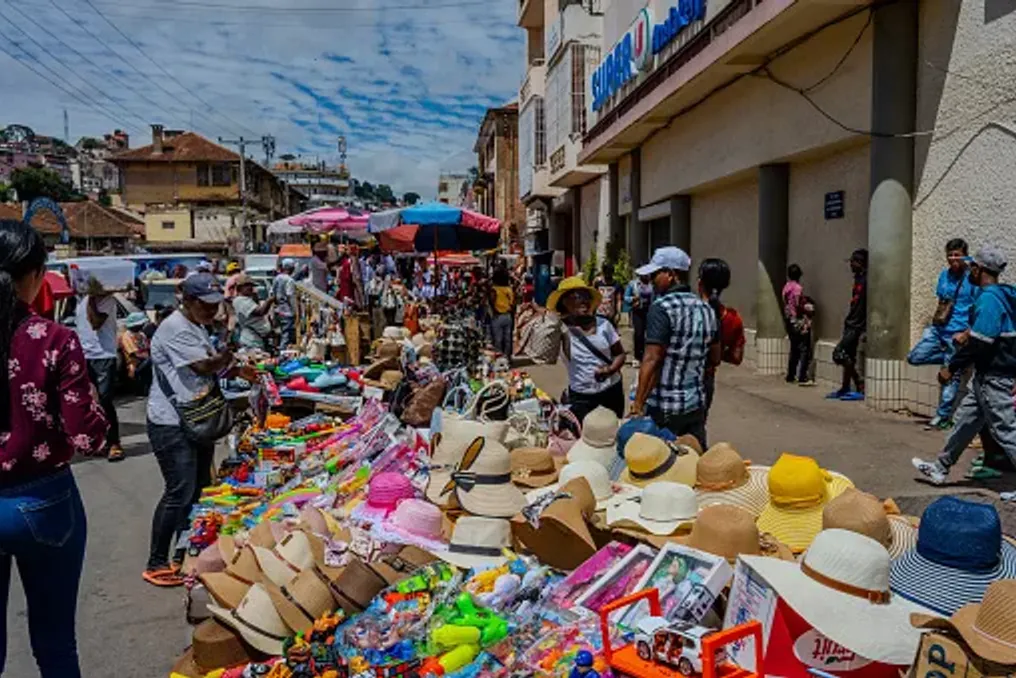
The Analakely Market in Antananarivo offers a more intimate market experience compared to the giant shopping hall of Kumasi or Addis Ababa, but it provides something equally valuable: the opportunity to closely examine what the residents of Madagascar's capital are actually buying and eating. The market is in the city center and has long been associated with food trade and daily commerce. Fresh fruits, vegetables, and rice remain central elements of this experience.

Historical accounts of Analakely describe farmers arriving early with produce from the surroundings, maintaining the market's role as a meeting place between rural producers and urban buyers. Rice is fundamental to Malagasy dietary culture, and its presence cannot be ignored. However, one should not stop there. Attention should be paid to local fruits and vegetables, dried fish, and ingredients used in everyday Malagasy cooking. If one desires something ready-made, one should look for snacks such as mofo gasy—rice flour pancakes traditionally made in small molds, or koba—a dense cake made from ingredients like rice flour, banana, and peanuts.

The market also reveals Madagascar's unusual position in the Indian Ocean. The island's food culture is shaped by African, Asian, Arab, and European influences, and this combination differs from many mainland African destinations. It is best suited for getting acquainted with rice, highland produce, and discovering Madagascar's unique culinary identity.

Marrakech: Jemaa el-Fna

Jemaa el-Fna in Marrakech is perhaps the most theatrical of the markets presented. During the day, this famous square is a venue for artists, juice sellers, and general activity. As evening approaches, food stalls appear, and the open space transforms into a massive outdoor dining area. This transformation is part of the experience itself.

Bonfires, smoke rising into the evening air, and communal tables filled with people under the lights—all create an atmosphere. The Moroccan National Tourism Office highlights the availability of freshly squeezed fruit juices, and the evening gastronomic scene of the square includes everything from grilled meat and harira to tagine and Moroccan sweets. This is a market worth visiting if you want food to feel like an event.

One can start with fresh orange or other fruit juice, and then look around before choosing a stall. Among the dishes associated with this square are grilled skewers, kefta, harira, and tagine. The best part is not necessarily finding one perfect dish, but observing how the square changes as Marrakech transitions from day to night, and how the food stalls turn the center of the medina into a giant open kitchen. It is ideal for experiencing Moroccan street food and the spectacle of dining in one of Africa's great public squares.

The appeal of African food markets lies in their ability to connect food with place. In Kejetia, yams and plantains tell the story of regional agriculture and trade. In Dakar, fish connects the market to the Atlantic. Mercato in Addis Ababa reveals the ingredients and trade networks behind Ethiopian cuisine, while Analakely introduces travelers to Madagascar's highland rice cuisine. And in Marrakech, food becomes theater. This is what makes these markets worth visiting. You go there not just to eat, but to immerse yourself in the part of the destination where food begins.

}, {
Popular