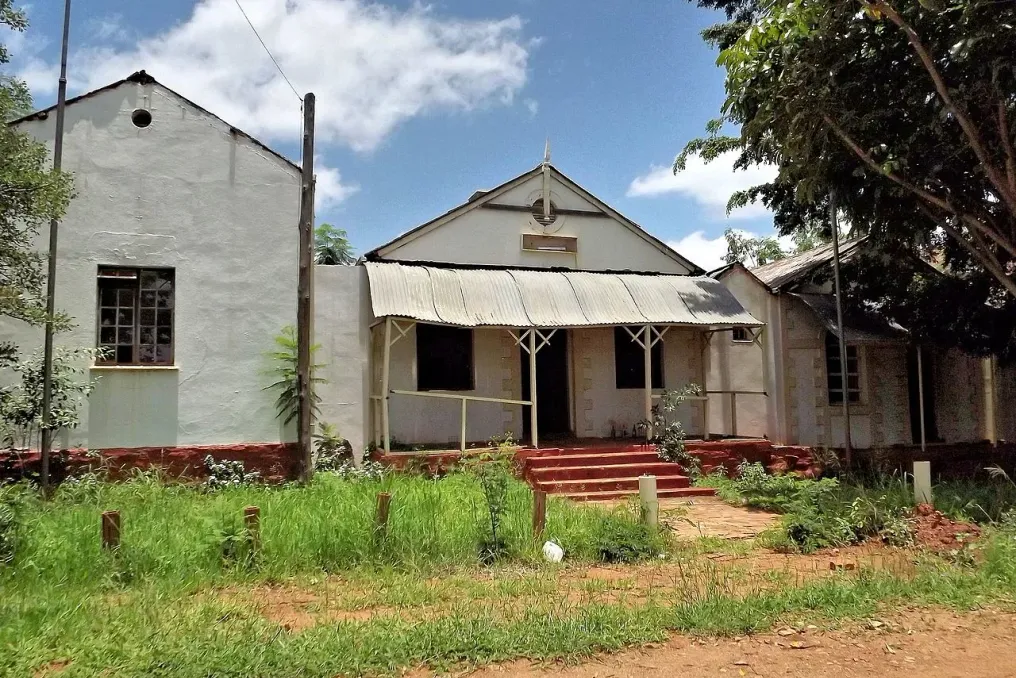
Five South African Cities That Are On The Verge Of Becoming Ghost Towns
Read more
Getaway
getaway.co.za

Five South African Cities That Are On The Verge Of Becoming Ghost Towns

Small towns in South Africa often depended on a single vital resource. This could be a gold mine, copper, a railway line, agriculture, or a transit route that brought people and income to the isolated settlement. When this source disappeared, the town could shrink just as rapidly.

Some of them have turned into ghost towns. Others managed to adapt, reinvent themselves, or remain as quiet reminders of a completely different South Africa. These five locations demonstrate what happens when financial circumstances change.

One of the most striking examples of such towns is Ladysburg, which was founded around a boom that could not last long. Gold was discovered in the Merchantson mountain range in the late 1880s, triggering an influx of prospectors to Lowveld. By 1890, Ladysburg had transformed into a bustling mining settlement with shops, bars, a hospital, a police station, a bakery, a printing house, and a magistrate's court.

However, the problem was not only the gold. Malaria and blackwater fever made life extremely difficult, and richer deposits in the Witwatersrand attracted prospectors elsewhere. Ladysburg quickly declined and eventually became a ghost town.

Today, the remaining buildings and the famous baobab, once serving the Merchantson Club, offer insight into its unusual past tied to the gold rush.

In the arid landscape of Namaqualand, the town of Okiep arose from copper mining. Mining in this region began in the nineteenth century, and the town became the center of one of South Africa's most important historical copper districts.

Its prosperity was closely linked to the copper industry and the railway that transported ore to the coast. The Anglo-Boer War added a dramatic chapter when Okiep endured a 30-day siege in 1902. Later, copper prices fell below profitable levels, forcing mining to stop. Mining resumed after conditions improved, but the town's dependence on this industry made it vulnerable to any downturn. The railway also gradually declined as road transport became more significant.

Okiep survived, but its history illustrates how quickly a mining settlement can lose its economic relevance when the supporting industry changes.

Pilgrim's Rest experienced one of the most dramatic gold rushes in South Africa. Gold was found in 1873, and for several months, about 1,500 prospectors worked on thousands of claims in the valley.

As easily accessible alluvial gold became harder to find, mining shifted to large-scale underground operations. The town continued to exist for decades, but the mining industry eventually lost control over it. The last operating mine, Beta Mine, closed in 1972.

This could have been the end of Pilgrim's Rest. Instead, its historical character became its salvation. The settlement was preserved as a heritage site and living museum, where old buildings and the history of mining attract visitors long after the gold disappeared.

Pilgrim's Rest serves as a useful reminder that heritage can sometimes become a new economy when the original reason for the city's existence vanishes.

The decline of Vakkersdorp was less spectacular but no less telling. Founded in 1859, the town developed based on agriculture, trade, and transport. Its fate depended on an important decision regarding the railway.

The main Durban–Johannesburg railway line bypassed Vakkersdorp, leaving the town outside one of the region's most crucial new transport networks. A branch line was soon built to reach the area, but the station was later downgraded, and rail traffic decreased.

By the late 1980s, Vakkersdorp faced serious economic difficulties. Its hotel was described as practically deserted, and visitor numbers were low. This was followed by an unexpected revival. Residents began to recognize the tourist potential of the surrounding wetlands and grasslands, especially for bird watching.

Today, Vakkersdorp is known as one of the main bird-watching destinations in South Africa. Its revival shows how ecotourism can give a new purpose to a struggling rural town.

Frayserburg is another Karoo town whose history is closely tied to the state of the surrounding countryside. The settlement became a separate administrative district in 1853, and pastoral farming was the basis of the local economy. The region was also affected by periodic droughts, and ovine farming became increasingly important in the nineteenth century.

Population data shows the pressure on the district. The wider district had over 9,000 residents in 1875, but by 1891, this figure dropped to approximately 6,900, and by 1904, to 6,469.

Frayserburg never became a complete ghost town, but its history demonstrates a different form of decline. When farming becomes harder and economic opportunities move elsewhere, the rural population can gradually decrease.

Today, its seclusion is part of its appeal. The surrounding Karoo landscape, historic buildings, and slower pace make Frayserburg a destination for travelers interested in the quieter side of South African history.

These towns did not all meet the same fate. Some were abandoned, some shrank, and some reinvented themselves. Together, they show how closely South African cities have always been connected to their surrounding resources, industries, and routes.

Similar stories

Five Cape Town Museums Worth Visiting During Heritage Month
Read more
getaway.co.za

Five Cape Town Museums Worth Visiting During Heritage Month

Heritage Month offers an opportunity to look deeper than just the beaches, mountains, and culinary scene of Cape Town by immersing oneself in the histories that have shaped this city. Cape Town's museums showcase the most diverse facets of the city: from fictional to unexpectedly fascinating, and some are suitable for family outings.

If you plan to explore the history and culture of Cape Town in September, these museums should be included in your list of visits.

Iziko South African Museum

Visiting the Iziko South African Museum gives you a chance to journey through millions of years of South African history without leaving the Company Gardens. The museum's collections cover the natural world, archaeology, and human history, including exhibits ranging from fossils and ancient artifacts to marine specimens and displays of human evolution.

The museum's location allows for easy combination with other attractions in central Cape Town. You can spend the morning at the museum and then head to the Company Gardens or continue exploring other cultural sites in the city.

Address: 25 Queen Victoria Street, Gardens.

Zeitz MOCAA

The Zeitz MOCAA focuses on contemporary African creativity and the discussions taking place on the continent and among its diaspora. The museum occupies a historic grain silo complex at the V&A Waterfront, making the building itself part of the exhibition. Inside the gallery, modern works from various countries, artists, and perspectives are presented.

This is a good choice if you want your Heritage Month outing to consider Africa's present and future alongside its past.

Address: Silo District, V&A Waterfront.

District Six Museum

To understand the more recent history of Cape Town, one can start with the District Six Museum, which offers an intimate space. The museum focuses on the experiences of people who lived in District Six before forced removals during the apartheid era changed the area. Personal stories and historical materials help visitors grasp the community that existed there and the consequences of its destruction.

This museum is more focused on listening to memories associated with a place that remains an important part of Cape Town's identity, rather than simply viewing exhibits.

Address: 25A Buitenkant Street, Cape Town CBD.

Heart of Cape Town Museum

Cape Town made a medical breakthrough in December 1967 when Dr. Christian Barnard and his team performed the world's first successful human heart transplant at Groote Schuur Hospital. The Heart of Cape Town Museum preserves the story of this remarkable moment, giving visitors insight into the medical team, the operation itself, and the hospital setting where it took place.

For those interested in science, medicine, or unusual chapters of Cape Town's history, this museum offers a completely different experience compared to the city's artistic and historical collections.

Address: Groote Schuur Hospital, Observatory.

Cape Town Diamond Museum

The history and economy of South Africa have long been closely linked to diamonds, and the Cape Town Diamond Museum provides a brief introduction to this topic. Located at the V&A Waterfront, the museum traces the diamond's journey from its underground origin through mining and the processes of transforming rough stones into polished gems. Exhibitions also include replicas of some of the world's most famous diamonds, including Cullinan.

This is a light addition to a Waterfront route if you want to fit in some history during a day of sightseeing.

Address: The Clock Tower, V&A Waterfront.

Cape Town's museums vividly demonstrate the city's multilayered nature. One visit can take you from prehistoric fossils to contemporary African art, while another can introduce you to personal stories related to apartheid-era displacement or a medical breakthrough that garnered international attention. This Heritage Month, replace your usual trip through Cape Town with a museum visit—perhaps you will leave with an understanding of a completely different side of the Mother City.

Rare Wildlife Species Inhabiting South African Provinces
Read more
getaway.co.za

Rare Wildlife Species Inhabiting South African Provinces

The wildlife map of South Africa is full of surprises. Besides the well-known lions, elephants, and rhinos, the country is home to tiny frogs, secretive rabbits, mountain birds, and reptiles that may consider a specific landscape their only home.

For travelers, this means that a wildlife trip does not always have to involve visiting a large reserve. Some of the most exciting encounters in the country only require a pair of binoculars, a good field guide, and a willingness to explore lesser-known habitats.

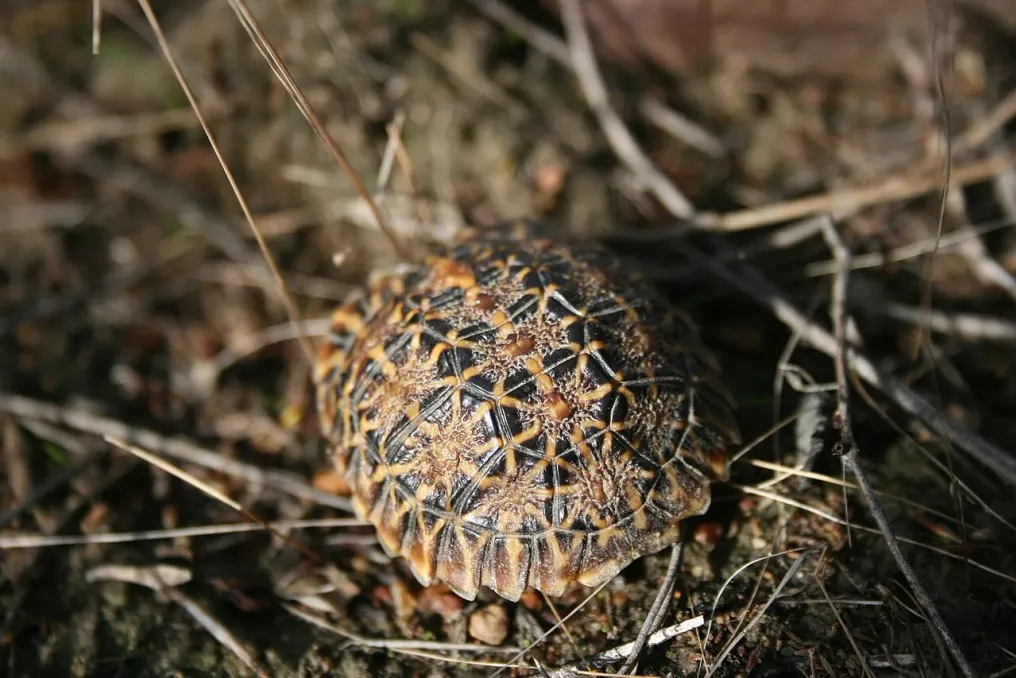
The Western Cape is one of the best places in South Africa for observing animals shaped by a unique environment. The Cape floristic region supports a huge number of endemic species, including the geometric tortoise, the Cape sugarbird, and the Cape rock climber.

The geometric tortoise is highly localized and found in the lowland landscapes of the Renosterveld and Cape fynbos. The Cape sugarbird, in turn, is closely associated with the protea-rich fynbos, where its long tail and characteristic call make it easier to spot compared to some of its smaller neighbors.

The Cape rock climber is another valuable species, though it should be noted that it is not exclusive to the Western Cape. Its range extends through the mountain fynbos into the Eastern Cape, where populations occupy high-altitude rocky slopes and ridges.

For amphibian enthusiasts, the fynbos wetlands of the province are home to several localized frog species, many of which are threatened due to habitat loss and climate change.

The arid Northern Cape may seem like an unlikely place to find rare wildlife, but its river corridors provide a vital habitat for one of South Africa's most elusive mammals—the river rabbit.

This species is critically endangered and extremely difficult to spot; it lives among dense vegetation along seasonal rivers. Its habitat is highly fragmented, making the conservation of remaining river corridors particularly important.

The province also offers mountain habitats for Hartmann's zebra and specialized reptiles adapted to the harshest conditions in the country.

The Eastern Cape is another province where wildlife rewards those who look beyond the obvious. The Cape mountain zebra is one of its iconic species, while Addo Elephant National Park is home to the famous dung beetle.

This remarkable beetle has evolved alongside large herbivores in the Addo landscape, reminding us that conservation is not just about caring for charismatic mammals. Protecting elephant populations can also save an entire network of smaller species dependent on the same ecosystem.

The subtropical coast and wetlands of KwaZulu-Natal support extremely localized wildlife. The Pickerel reed frog is perhaps the best example. Endemic to a narrow strip of the KwaZulu-Natal coast, it survives in fragmented wetlands, with an estimated occupied area of only 9 km².

The species is critically endangered, and conservation programs focus on protecting and restoring its remaining breeding sites. The forests and grasslands of KwaZulu-Natal also serve as habitat for samango monkeys and oryx, although neither of these species is exclusive to the province.

The Limpopo's northern forests and river systems offer a completely different wildlife experience. Narin's trogons can be found in mature forests, while the Pala fish owl is one of the most sought-after bird species in the province.

The latter is closely linked to large rivers and woodlands, where its dependence on healthy aquatic ecosystems makes it an indicator of river health. The Barberton Makhonjwa Mountains are known for their extraordinary geological history, but this region is also biologically unique. Its rugged terrain and isolated habitats support specialized reptiles and other species adapted to the unique conditions of the area.

The nearby Barberton mac is another layer to the story. Technically a plant, not wildlife, but it demonstrates why biodiversity hotspots cannot be neatly divided into animals and landscapes. Protecting one unusual landscape can save an entire community of life.

The Free State grasslands may lack the visual drama of mountains and forests, but they support some strikingly specialized species. The Boa thrush is one of the province's rarest birds. Its range extends into southeastern Mpumalanga, so it is technically not a Free State endemic, but eastern Free State remains an important part of its limited range. Habitat transformation and unsuitable land use have contributed to its decline.

Endemic and highly localized species are ecological specialists. If their habitat disappears, they often have nowhere to go. Therefore, their survival depends on the protection of specific wetlands, mountains, forests, rivers, and grasslands.

The takeaway for travelers is simple: wildlife viewing is not just about finding the biggest animal. Sometimes the most valuable sighting is the one that exists nowhere else in such a form.

Maintain distance, stay on marked trails, and never touch, feed, or intentionally disturb wild animals. For sensitive species, especially frogs and reptiles, avoid turning observation into a chase. Photography is not worth the damage to the habitat.

Travelers can also contribute to conservation by responsibly documenting sightings. iNaturalist allows users to document plants and animals, and observations help build knowledge and research on biodiversity.

Six places in Africa where you can see conservation work in action
Read more
getaway.co.za

Six places in Africa where you can see conservation work in action

Nature conservation is easy to admire from afar: encountering a giraffe crossing the road or a rhinoceros during a safari can be an unforgettable moment. However, the work to protect these animals often goes unnoticed. Nevertheless, there are places across Africa where travelers can witness this work firsthand.

These locations are not merely tourist attractions. They are rehabilitation centers, research stations, community-involved conservation projects, and working reserves where tourism helps support species protection efforts and ecosystem restoration.

From a seabird hospital in Cape Town to a rewilding landscape near Etosha National Park, these six places offer tourists a deeper understanding of the conservation process without making the animals the main focus.

SANCCOB Centre in Cape Town

On the border of Table Bay in Cape Town, the Southern African Foundation for the Conservation of Coastal Birds (SANCCOB) offers visitors a look at what happens after a seabird is rescued. This organization specializes in rescuing, rehabilitating, and releasing endangered seabirds, including the critically endangered African penguin.

The SANCCOB centre in Table View conducts tours of the hospital and rehabilitation facilities, familiarizing visitors with the challenges facing coastal birds and explaining the process of their return to the wild. This experience is intentionally educational rather than animal-encounter focused; understanding the work requires observing the veterinary and rehabilitation process.

SANCCOB also offers more in-depth behind-the-scenes tours for those wishing to study the rehabilitation process more closely. Visiting is considered one of the simplest ways to see nature conservation work in Cape Town and support an organization working with one of South Africa's most vulnerable coastal species.

Cheetah Conservation Fund Work in Namibia

Near Ojiwarongo, in the Waterberg region of Namibia, the Cheetah Conservation Fund combines research, education, wildlife management, and predator-farmer conflict mitigation efforts. Visitors can spend time at the CCF centre, where they can observe ambassador cheetah training, visit a model farm, and learn about the fund's livestock guardian dog program.

The centre also houses scientific laboratories, including a conservation genetics lab. CCF uses genetic studies, field surveys, and non-invasive monitoring to study cheetah populations and movements. Research also covers human-wildlife conflict, agriculture, and predator ecology.

This approach distinguishes the visit from simply watching a cheetah in captivity, as the emphasis is on understanding the network of research, agricultural practices, and community-level solutions necessary for cheetah survival in the landscape. CCF accepts visitors for both day trips and overnight stays, and the centre is open almost year-round.

Ol Pejeta Conservancy in Kenya

In the Laikipia region of Kenya, Ol Pejeta Conservancy is a working reserve where nature conservation is part of the visitor experience, not just a backdrop. Tourists can choose from various programs that reveal different aspects of this work. These range from tracking lions with conservation teams, monitoring and identifying rhinos, tracking dogs with the reserve's canine unit, to conservation lectures from experts.

The rhino monitoring experience is particularly illustrative. Rangers know individual rhinos and their ranges, allowing guests to see how monitoring and protection work on the ground. The conservancy also provides opportunities to learn about its anti-poaching efforts and broader conservation technologies.

For those seeking a deeper immersion, the Immersive Conservation Experience at Ol Pejeta includes exposure to wildlife research and monitoring, conservation agriculture, care for endangered animals, and the anti-poaching canine unit, as well as interaction with local communities living around the reserve. This offers a completely different view of safari: animals remain part of the experience, but visitors also see the people, technology, and solutions required to protect them.

Hama Rhino Sanctuary in Botswana

Near Serowe, the Hama Rhino Sanctuary demonstrates a different conservation model. Created to aid in saving Botswana's dwindling rhino population, this project is based on local community involvement and merges nature conservation with tourism and local economic benefits. The reserve spans approximately 8,585 hectares of Kalahari sand savanna and protects black and white rhinos, as well as many other species.

Visitors can explore the area through organized safaris, guided walks, and birdwatching, and the sanctuary also runs environmental education programs. A central element of the project's story is its connection to the local community: the sanctuary is managed and staffed by people from nearby villages, and tourism provides economic benefits to local residents.

Tourists can stay overnight, camp, and book excursions, allowing for more time with the rhinos before moving further north. Hama Rhino Sanctuary shows how tourism, community livelihoods, and species protection can work together, rather than being seen as separate from the local people.

Mokoloholo: Wildlife Rehabilitation

Near Hodespur, the Mokoloholo Wildlife Rehabilitation Centre addresses an aspect of conservation rarely seen by safari tourists: what happens to wild animals that are injured, poisoned, orphaned, or unable to survive without intervention. The centre cares for rescued animals and releases them when rehabilitation allows. Those who cannot return to the wild become permanent residents and participate in the centre's nature conservation education work.

Visitors can join tours lasting about one and a half to two hours, learning the stories of individual animals and the threats that brought them to the centre. It is important to note that Mokoloholo ceased public animal interaction tours in 2019 in line with ecotourism ethical standards. The centre is also involved in scientific research, including vulture monitoring and studying leopard movement and behavior.

Visiting this centre goes far beyond simply observing rescued animals; it allows one to understand why rehabilitation is necessary in the first place and why releasing an animal is not always as simple as letting it go into the bush. The centre offers an honest look at the complex decisions surrounding wildlife rescue, demonstrating why ethical rehabilitation must prioritize the animal's welfare over visitor interaction.

Etosha Heights: Scientific Approach to Conservation

For those interested in the scientific side of conservation, the Etosha Heights Conservation Centre in Namibia offers one of the most unique experiences on this list. The centre is managed by the Giraffe Conservation Foundation in partnership with the Namibia University of Science and Technology and the private Etosha Heights Private Reserve. This reserve has restored over 60,000 hectares of degraded agricultural land into wildlife habitat near Etosha National Park.

Research here extends beyond hippos. Teams track wildlife, study habitats, assess biodiversity, and analyze how different land-use models affect ecological productivity across the wider Southwest Etosha landscape. Conservation specialists can apply for field programs, gaining practical experience in reserve conservation research. Depending on the program, work may involve field observation, wildlife monitoring, data collection, and other research tasks.

This experience is as far removed from traditional wildlife viewing as possible. The reward here is not guaranteed sightings or close contact, but the opportunity to understand how researchers gather the information needed to make the best conservation decisions.

In conclusion, the most valuable conservation experiences are not necessarily those promising the closest animal encounters; quite the opposite may be true. A good visit should leave the traveler with new knowledge: why a penguin needs rehabilitation, how farmers can coexist with predators, what rangers monitor daily, why a rhino needs public support, or how researchers measure landscape recovery. These places provide such a perspective, allowing visitors to view nature conservation as continuous work, not just a vacation backdrop.

Popular