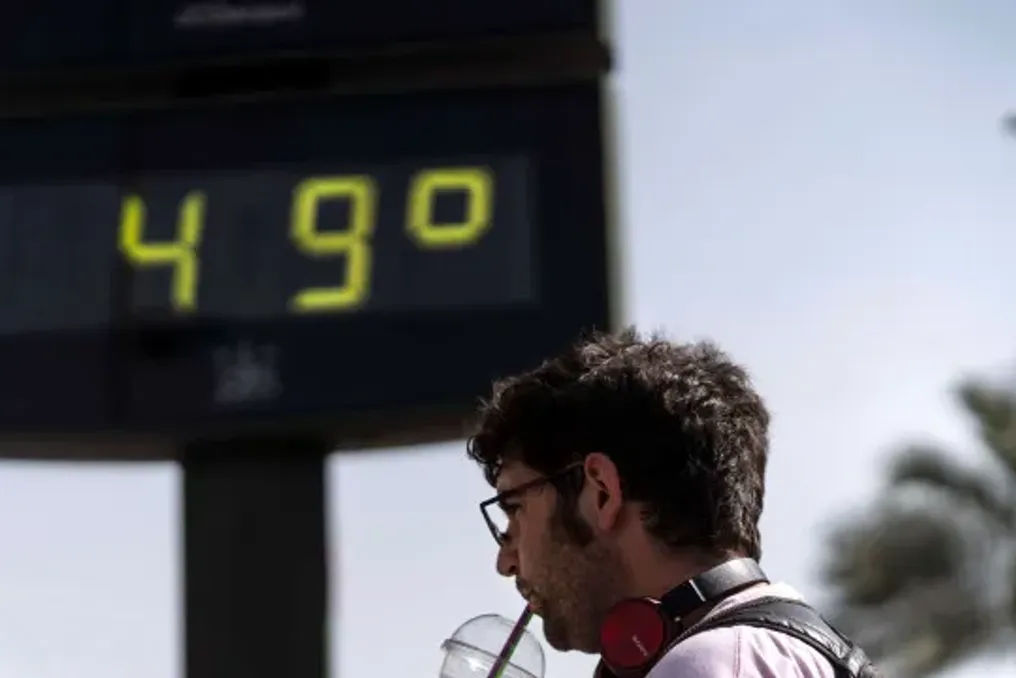
According to the 'Lancet Countdown Europe Cities Report on Health and Climate Change,' extreme heat and wildfires this summer vividly demonstrated the vulnerability of cities to climate change.
New municipal-level data shows that rising temperatures, increased risk of infectious diseases, wildfire danger, and pollen exposure are heightening health threats for millions of city residents across Europe. Particular attention is paid to elevated risks in Southern European regions.
In Southern European cities, heat-related mortality increased by 160% between 1991 and 2000 compared to the period from 2015 to 2024. Furthermore, the danger of wildfires has risen in southern cities during the study period (2003–2023).
The document's authors acknowledge that cities are taking steps, such as creating more green spaces, but warn that progress is not keeping pace with the growing health threats, and dangers continue to escalate.
In Eastern European cities, the suitability of the climate for dengue fever transmission increased by 369.3% between 2015 and 2024 compared to the period from 1982 to 2010.
The report asserts that cities need increased investment and more targeted, health-oriented planning. The authors propose implementing greener districts, improving air quality, developing public transport, and promoting healthier diets, which can reduce emissions and improve people's physical and mental well-being.
The study covers over 850 cities, including some of Portugal's largest urban centers. The analysis was based on 28 indicators developed by 58 researchers from 31 academic institutions studying urban trends related to climate change and health.
Highlighting that Europe is warming faster than any other region in the world, the authors point out that urban heat islands, high population density, and built environments intensify people's susceptibility to climate risks, disproportionately affecting the health of children, the elderly, outdoor workers, and low-income communities.
In addition to creating conditions favorable for infectious diseases, global warming has also led to an increase in pollen concentration, which has more than doubled in southern and eastern cities.
The 'Lancet Countdown Europe' project brings together 65 leading researchers from Europe, the USA, and Australia to monitor and understand the link between climate change and human health in Europe.