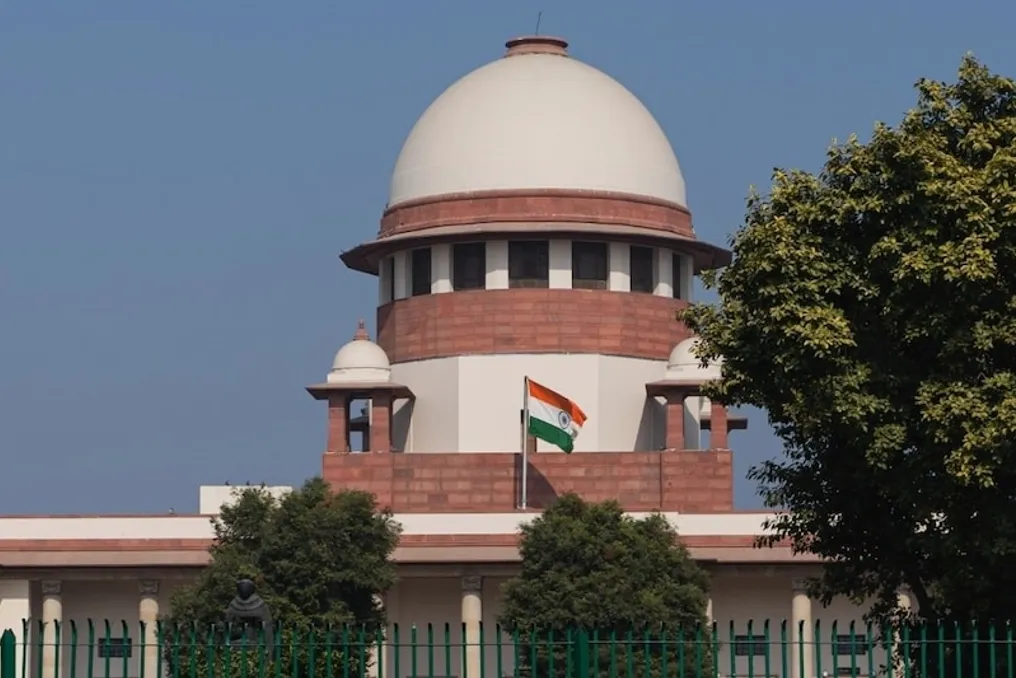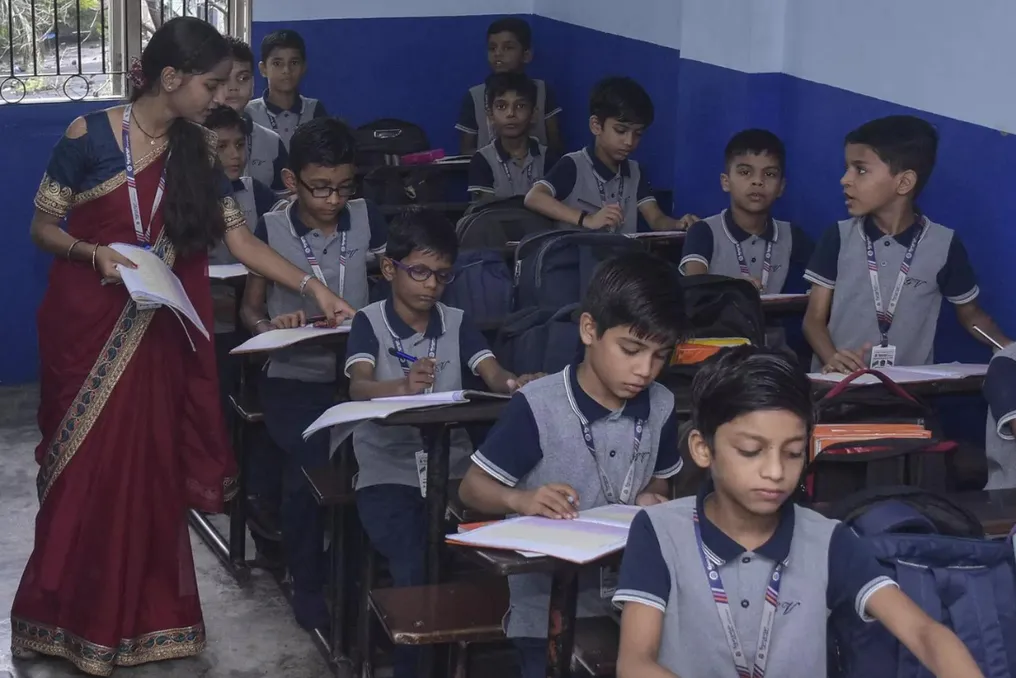
The Supreme Court has reiterated its request to the Central Board of Secondary Education (CBSE) to consider exempting sixth-grade students from the trilingual policy. This policy requires students to study at least two mother tongues, and the court noted that such an exemption would give them a break during the current academic semester.
The bench, comprising Chief Justice Surya Kant, along with judges Joymalya Bagchi and Vi Mohan, informed the Attorney General of India, Tushar Mehta, that CBSE should examine the issue of extending the relaxation previously granted up to seventh grade to sixth-grade students this year.
Mehta stated that since the Supreme Court has noticed this, he, along with Additional Solicitor General Aishwarya Bati, will convene a meeting with CBSE officials and other concerned stakeholders this week to make a decision. He added, 'We will present the decision taken to the court at the next hearing.' The court has scheduled a hearing on this matter for September 17.
When the petitioners' lawyer referred to Judge Bagchi's previous remark regarding how English should be treated—as a mother tongue or a foreign language—Mehta noted that the government faces some challenges in asserting that English is a mother tongue.
Judge Bagchi commented that 'a cutoff year would be logistically less burdensome for implementing the trilingual policy. As for the status of the English language, that may require full-fledged debates.'
Furthermore, the Supreme Court sent a notice to CBSE regarding a new petition filed by the Minority Schools Forum. The forum's lawyer, Romi Chakko, informed the court that this policy violates their fundamental rights concerning the protection of minority educational institutions, institutional autonomy, and fundamental identity, which are protected under Article 30(1) of the Constitution.