Italy plans to invest in climate resilience project in Mozambique
Read more
Noticias ao Minuto
noticiasaominuto.com

Italy plans to invest in climate resilience project in Mozambique

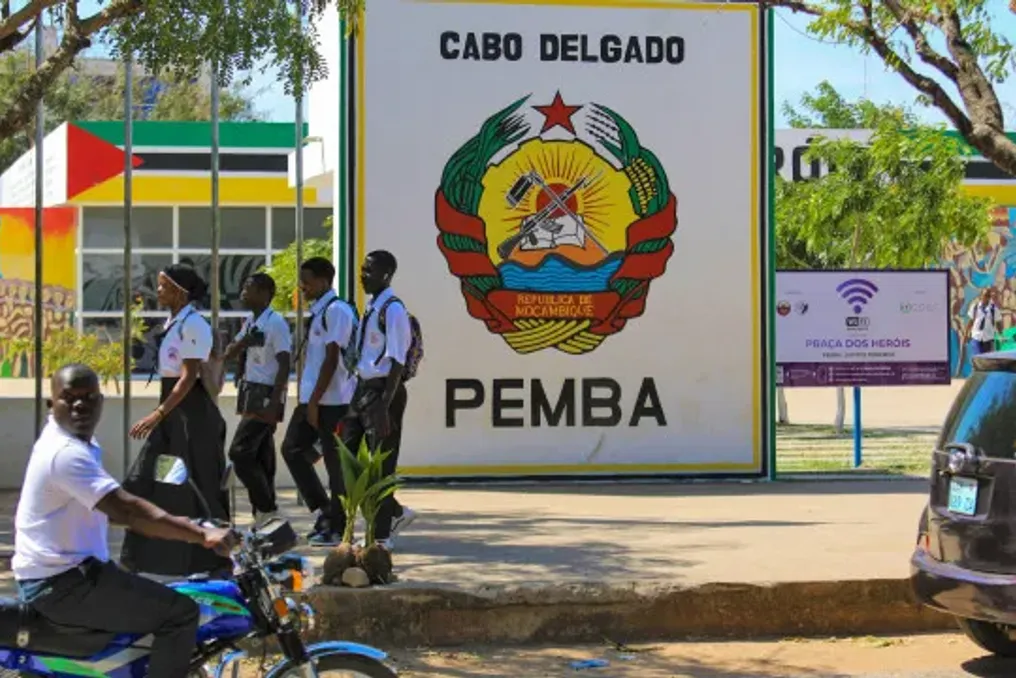
Italy intends to invest in a climate resilience project in Mozambique. These investments are part of the Câmbio project, which is financed by the Italian Agency for Development Cooperation (AICS). The goal of this project is to strengthen the ability of local residents and institutions to adapt to climate change and natural disasters.

The Italian Ambassador to Mozambique, Gabriele Annis, stated that the Câmbio project aims to enhance the resilience and adaptive capacity of local communities and institutions in the face of climate change and natural catastrophes, as well as to boost local potential.

Fabio Stroinati, Director of AICS in Maputo, specified that the project covers the city of Pemba and Ibo Island in Cabo Delgado province, located in northern Mozambique, as well as the city of Beira in Sofala province, in the central part of the country. Activities aimed at strengthening local capabilities are planned within the framework of the project.

The project provides for interventions to improve the readiness of local communities and institutions, as well as to increase their capacity to respond to the consequences of climate change and natural disasters.

Satar Abdulgani, Mayor of Pemba, supported the adoption of concrete measures to address environmental and climate issues affecting local communities. He emphasized the need for practical actions, stating: 'We need concrete actions. Now, or rather yesterday, we must leave our administration, our project management, and our leadership with a proudly accomplished mission and with credible and sustainable solutions.'

This initiative contributes to strengthening cooperation between Mozambique and Italy in the fields of environment, urban development, and climate change adaptation, with a particular focus on building local capacity.

In May, Annis announced Italy's plans to invest 100 million euros in the development of green cities in Mozambique. These plans include projects for providing drinking water and restoring parks in Chimoio, as well as waste recycling in Pemba.
Similar stories

German MP calls for support for Mozambique regarding climate change
Read more
noticiasaominuto.com

German MP calls for support for Mozambique regarding climate change

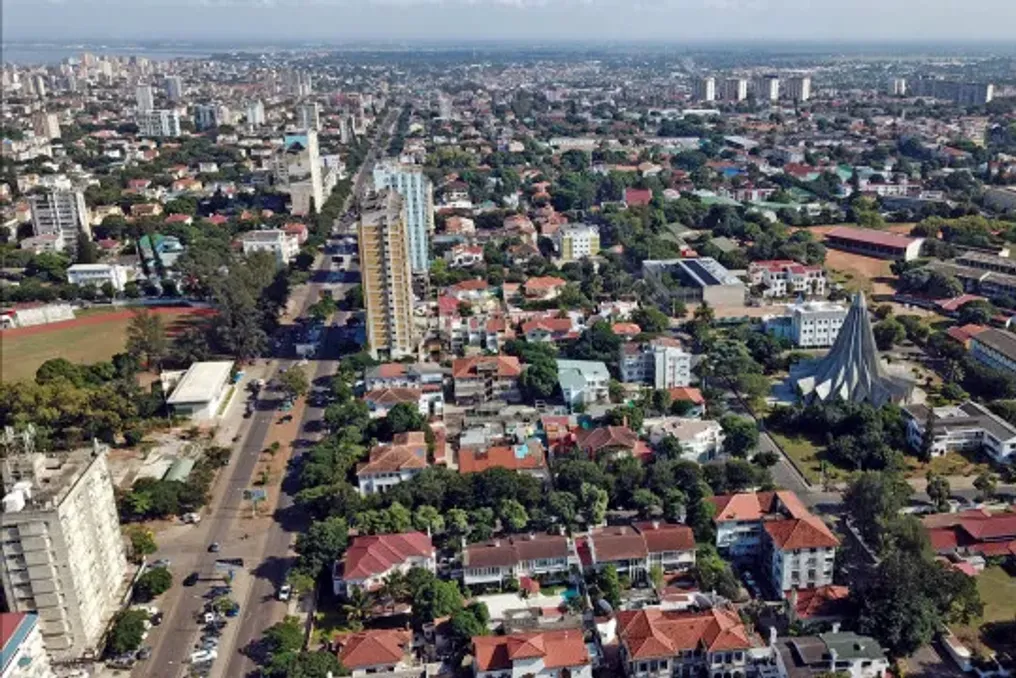
A German deputy called on the international community to join forces to combat climate change. He told journalists that joint efforts must be mobilized to solve this global problem.

The deputy also stated his intention to bring this issue to the attention of his colleagues in the German parliament. This is because Mozambique is facing climate consequences that negatively affect local communities, agricultural production, and food security in various regions of the country.

During a visit to the Manisa community in Maputo province (south), the deputy emphasized his readiness to continue the fight and provide ongoing support to Mozambique. The visit included observing the implementation of programs such as the Value-added Agricultural Development and Training Program (PROCAVA), which is implemented by the Ministry of Agriculture with the support of the International Fund for Agricultural Development (IFAD).

In addition to PROCAVA, the country is implementing other community support programs in the agricultural and fishing sectors, covering the southern, central, and northern regions. The National Director of Agriculture, Jabula Sibiya, noted that current projects include the Sustainable Artisanal Fisheries Development Project (PROPEIXE) and the Small-scale Aquaculture Development Project (PRODAPE), which significantly impact people's lives.

Sibiya specified that the fisheries component complements agricultural production and helps increase the availability of animal protein for communities, positively affecting food security. These efforts are being made against the backdrop of persistent needs for food security in Mozambique.

According to the Food Security Cluster (FSC), over 1.19 million people received food aid or agricultural production support in the first half of 2026. The food instability response coordination mechanism, led by the World Food Programme (WFP) and the Food and Agriculture Organization of the United Nations (FAO), reported assisting 1,194,281 people in multiple crises between January and June.

The FSC also indicated that 1.71 million people require urgent humanitarian assistance and protection in 2026. Of these, 977,110 people were affected by armed conflict in the north, mainly in Cabo Delgado districts, and 733,518 people were affected by floods in the south, mainly in Gaza province.

The response to climate and food vulnerabilities also aligns with the Government's strategy to increase agricultural productivity by attracting approximately two billion dollars ($1.4 billion euros) over the next four years. The Minister of Planning and Development, Salim Wala, announced on August 18 that these funds should support the activities of over two million producers, including interventions in agricultural extension, research, financing, improved seeds, fertilizers, mechanization, and irrigation.

Popular