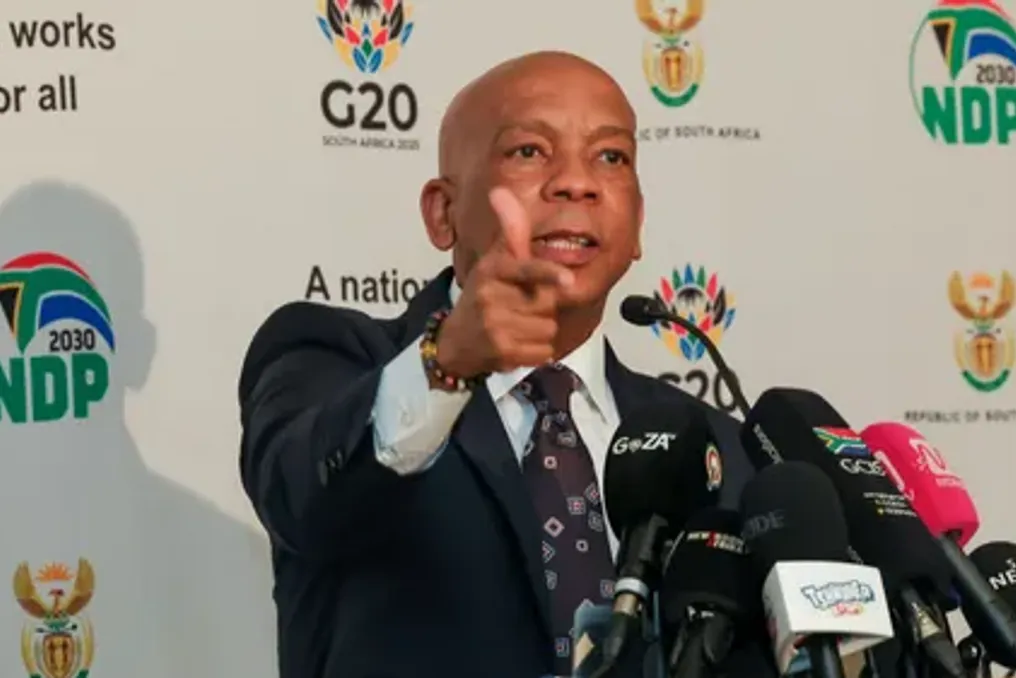
Minister of Electricity and Energy Kgosientsho Ramokogopa stated that his department has not conducted a targeted assessment of how rising tariffs affect low-income households, amid proposed further price increases in South Africa.
In response to questions from IFP party member Nomphumelelo Mkhlongo, Ramokogopa noted that analysis showed that the growth of electricity tariffs over the past years exceeded the Consumer Price Index.
Mkhlongo highlighted the ongoing increase in electricity tariffs and requested information on the department's assessment of the impact of tariff hikes on low-income households and small businesses, as well as measures to mitigate rising electricity costs as of August.
Ramokogopa replied: 'The department has not conducted any targeted assessments, but data analysis has shown that the growth of electricity tariffs over the past years was higher than the Consumer Price Index.'
Review of Pricing Policy
He also announced that the electricity pricing policy aimed at reducing pressure from rising energy costs is currently under review. This policy was approved by the Cabinet on July 30, 2026, and subsequently published for public comment on August 28, 2026.
The document indicates that the current electricity pricing policy no longer fully aligns with the structure and functioning of the developing energy sector. Therefore, the document requires the development of a revised framework policy to define clear pricing principles across the entire value chain, support market outcomes, and ensure regulatory certainty.
According to Ramokogopa, the electricity pricing policy must prevent the shifting of inefficiencies onto consumers. He emphasized that tariffs will be based solely on efficient and reasonable costs, while excessive technical losses, electricity theft, bad debts, and other inefficiencies will not be reimbursed to consumers through tariffs. The National Energy Regulator of South Africa (NERSA) will conduct benchmarking and verification of these costs before approving tariffs.
The Minister added that the transition to cost-reflective tariffs will occur gradually over a five-year period, which will help avoid sudden price spikes and improve tariff predictability. The policy also provides for allocating electricity revenues to a dedicated fund, standardized municipal tariff methodologies, and mechanisms for free basic electricity and lifeline tariffs to support relevant households, among other things.
Proposed Tariff Increase for 2027
Ramokogopa's responses came against the backdrop of reports that South Africans have four weeks left to submit written proposals regarding Eskom's proposed 8.83% electricity price hike for 2027. Last week, it was reported that NERSA published this increase, giving the public until October 2 to submit comments before the regulator makes a final decision in November.
The proposed increases, if approved, will take effect on April 1, 2027, for customers receiving power directly from Eskom, while municipal customers will face an 8.84% increase starting July 1. Meanwhile, Ramokogopa told EFF member Lorato Tito that he could not give a definitive guarantee that the energy sector transformation would immediately alleviate the price pressure experienced by households.
He explained that electricity prices depend on numerous factors, including generation costs, the condition of transmission and distribution networks, municipal surcharges, debt levels, maintenance requirements, fuel costs, and the need to invest in new capacity after many years of underinvestment. However, he rejected the notion that the current energy sector transformation is merely an institutional restructuring. The goal is to eliminate structural weaknesses that have contributed to unreliable power supply, insufficient investment, limited network capacity, and rising systemic costs.
Government Claims Reforms Will Ease Price Pressure
Nevertheless, Ramokogopa stated that the Electricity Regulation Amendment Act creates the legal framework for a more competitive and transparent electricity supply industry. This act ensures, among other things, non-discriminatory access to the transmission network, the creation of an independent transmission system operator, improved system planning and operation, and the gradual development of the wholesale electricity market.
The Minister acknowledged that ordinary households face significant economic pressure due to unreliable electricity supply and rising energy costs. For this reason, the Department of Electricity and Energy is implementing sector transformation alongside measures aimed at accessibility and protecting vulnerable households, including work on Free Basic Electricity, supporting the needy, improvements in the distribution sector, and more sustainable approaches to universal energy access.