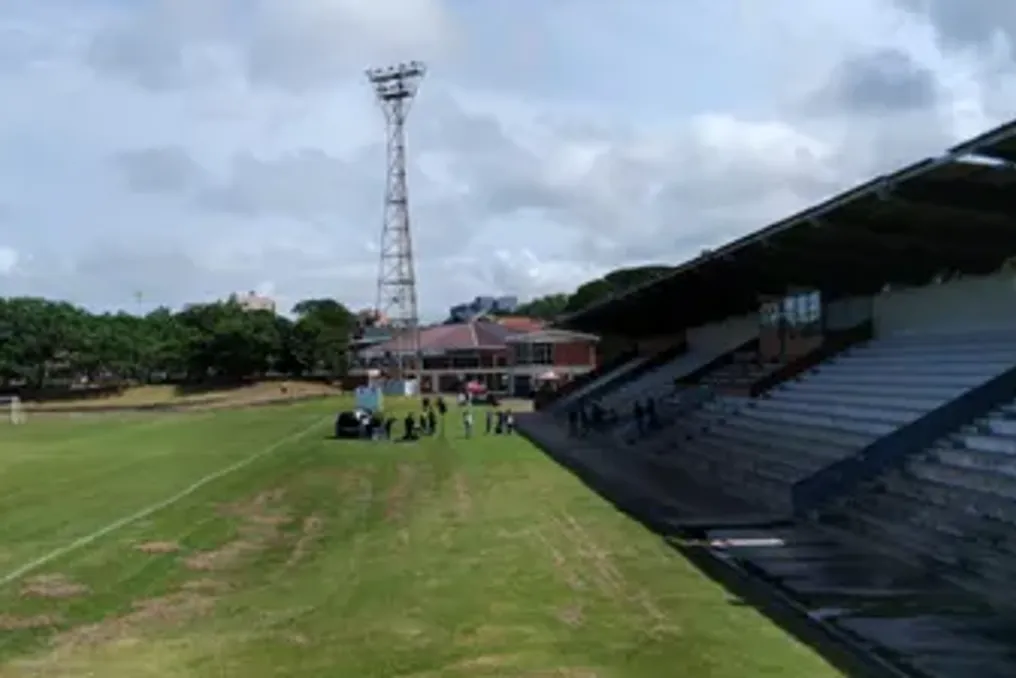
According to the Amafa KwaZulu-Natal Research and Culture Institute Act, the Curries Fountain stadium in Durban has been officially declared a provincial heritage site.
The Minister of Sport, Arts and Culture, Mntomukhle Khawula, noted that this stadium holds exceptional historical, cultural, and social significance for the residents of KwaZulu-Natal and South Africa.
Historical records indicate that the area received its name after the first reliable water source in Durban, which was created by H.V. Curry on this site in 1878. The stadium was officially recognized as a sports venue in 1924 and became an important place for various sports, social, recreational events, and workers' movement activities, playing a key role in the fight for non-racial sport.
Resistance to Apartheid
Khawula emphasized that this venue also served as a center of resistance against the apartheid regime and today stands as a symbol of understanding the province's rich intangible heritage. He stated that the stadium documents the history of sport among communities that experienced racial isolation, demonstrating how these communities used sport and sporting spaces to shape identity, community, and resilience.
According to Khawula, the institute recognizes that preserving heritage is most significant when it contributes to maintaining collective memory and guarantees the accessibility of important places for current and future generations.
Historical and Cultural Significance
The declaration of the stadium is an important step in recognizing and protecting a place of historical, cultural, and social importance, providing formal recognition and protection for the heritage of Curries Fountain Stadium for coming generations. Khawula thanked all participants in the process, including stakeholders, heritage specialists, organizations, sports communities, and the public, who contributed to defining, documenting, and recognizing the significance of the stadium's heritage.
He concluded that the Curries Fountain Stadium area is more than just a stadium; it is a living archive of KwaZulu-Natal's journey towards a non-racial, democratic, resilient, and socially cohesive province. In the modern era, the place continues to be a gathering point where diverse cultures meet for entertainment, public programs, and heritage celebrations. Its heritage connects the past and present: from fighting exclusion to today's vision of social cohesion and shared identity.