UAE Universities Must Develop Continuous Learning Plans to Protect Students in Case of Closure
Read more
Khaleej Times
www.khaleejtimes.com

UAE Universities Must Develop Continuous Learning Plans to Protect Students in Case of Closure

Under the country's new higher education licensing system, universities in the United Arab Emirates (UAE) must have approved plans guaranteeing that students will not lose their academic path if the educational institution or one of its programs closes.

This mechanism, known as a 'teach-out plan,' is designed to protect enrolled students and prevent negative consequences if a university's license is revoked, not renewed, or if the institution faces circumstances preventing its continued operation.

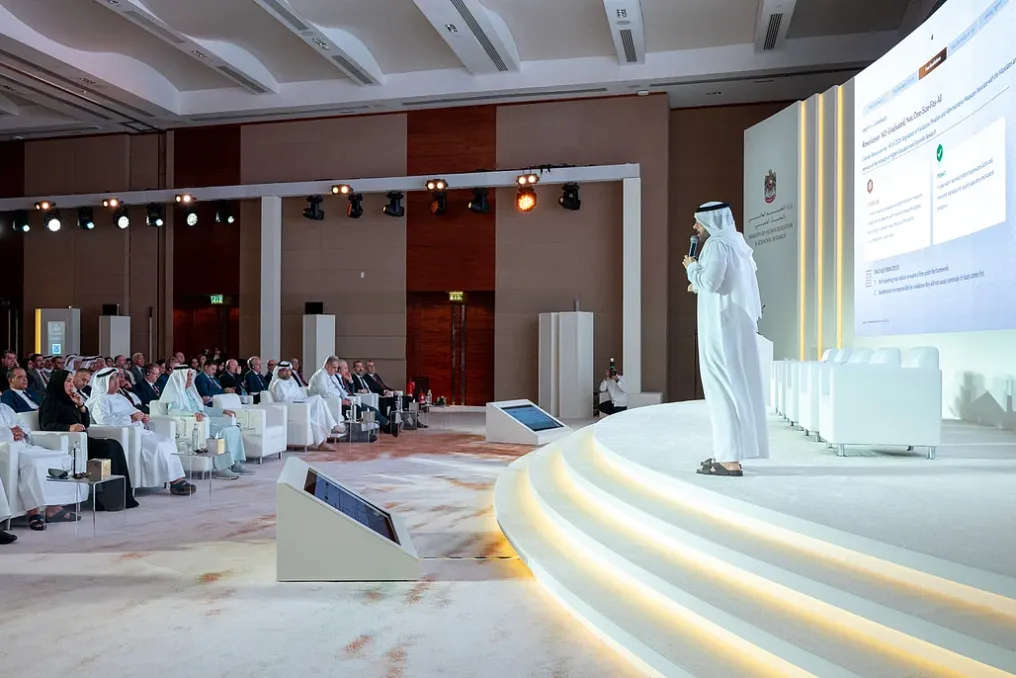
Dr. Ahmed Al Shuwaibi, Deputy Secretary of the Ministry of Higher Education and Scientific Research (MoHESR), emphasized that having such a plan is one of the key requirements. He assured that students will not be harmed in the event of the university or its program needing to close.

According to Al Shuwaibi, each educational organization is responsible for implementing these plans for current students, while the Ministry oversees them to ensure no harm comes to the students. Student protection was one of the main goals of the recent Cabinet decisions regulating higher education, alongside clarifying the roles of the Ministry, local authorities, and the institutions themselves throughout the entire lifecycle of the university.

The new system tracks the institution from its creation and initial licensing through reviews of individual academic programs and continuous monitoring, with student protection being part of this process. The National Framework for Higher Education Licensing requires institutions to have an academic continuity plan that covers scenarios of difficulties or inability to continue operations.

This plan must outline the students' educational pathway, continuation of studies, preservation of academic records, and protection of financial rights. If necessary, arrangements must be made for affected students to transfer to another educational institution.

The framework applies to higher education institutions and their branches, including those operating in free zones, transforming licensing into a continuous process rather than a one-time approval. Institutions are required to maintain accurate and up-to-date data, comply with information security and incident reporting requirements, and have mechanisms to sustain academic activities in case of failures.

For new institutions, obtaining a license confirms their readiness and sustainability, as well as their ability to fulfill their mission; however, it does not grant the right to immediately start offering courses. The program must undergo separate accreditation before it can be offered, advertised, or accept students under the new structure.

According to the Ministry's clarifications, a newly licensed institution has one year to launch programs, with at least one program intended for student advertising needing to receive accreditation.

The system also introduces risk-based licensing, where the validity period of an institution's license varies depending on its risk category, compliance with requirements, and performance results. Existing institutions are granted a transition period to assess gaps against the new requirements and resolve issues affecting their license and student rights.

Al Shuwaibi noted that these broader changes aim to increase confidence in the higher education system among students, universities, and employers. He added that when a company hires a graduate with a specific certificate, it expects them to possess that certificate, along with certain skills and knowledge, which strengthens trust in the system.

He also stated that students should be confident that the program they choose will deliver what is promised. The new licensing system is one of four Cabinet decisions adopted as part of a broader reform of higher education regulation by the Ministry, alongside new rules concerning review fees, Ministry service charges, financial guarantees, and violations and administrative measures. The Ministry stated that the new regulatory system aims to create a clearer and more integrated framework for higher education institutions while enhancing quality, accountability, and student protection.
Similar stories

UAE educational institutions welcome 1.27 million students for the 2026-27 academic year
Read more
www.khaleejtimes.com

UAE educational institutions welcome 1.27 million students for the 2026-27 academic year

Schools across the United Arab Emirates (UAE) are preparing for the new academic year, welcoming 1.27 million students. Many educational institutions have adjusted class schedules and reduced lesson hours from August 31st to September 3rd to allow children and staff time to adapt before the full schedule begins.

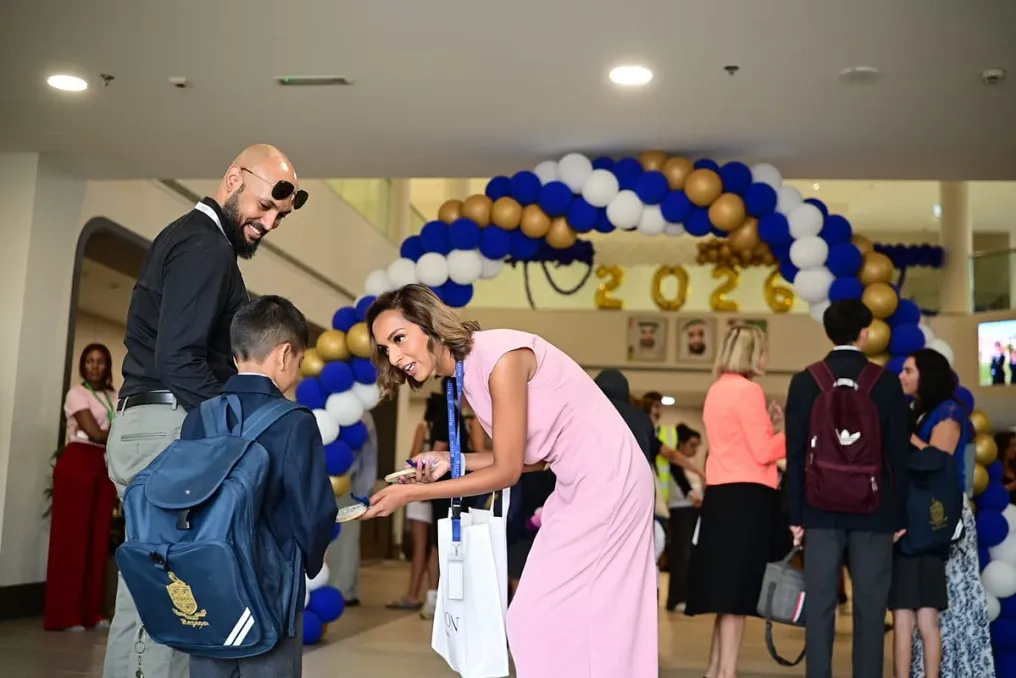
The first day of school was accompanied by mixed emotions: from touching goodbyes between parents and children to joyful reunions with friends. Campuses were filled with hugs, laughter, and post-holiday meetups, while new students and staff settled into unfamiliar classrooms and hallways. The festive atmosphere was enhanced by welcome booths, games, and free ice cream, although some students found it difficult to return to early wake-up times.

For some students, the first day marked the start of new responsibilities. Shireen Mansour, a 6th-grade student and student council member, shared that she is eager to help her classmates despite the difficulty of waking up early. She noted: 'I am on the student council and I am looking forward to it. I am going to help my peers and classmates. It was hard to wake up this morning, I am not that excited about school, but I am definitely happy to see my friends.'

Canadian expatriate Jenna Nedalussen, a 6th-grade student at GEMS Founders Al Barsha School Dubai, viewed returning to school as another step toward growing up. She stated: 'This is my last year of primary school, so I feel very grown up. I am also on the student council, so I have big responsibilities.' Despite some nervousness, Jenna was pleased to meet her new teacher and assist younger students. Her favorite subject is English, and the early start was not an issue for her.

However, for younger children, this stage was less about new responsibilities and more about taking first steps in school life. One family rejoiced when their daughter Alia went to school for the first time. The girl's father, Khalid Fahmi, said: 'Since it is her first time in school, we are very happy and hope today will be a good start for our daughter, Alia.' He joked about wanting to see how she would settle in, adding: 'I am so glad I almost pushed her into school so we could have some free time!' Khalid noted that Alia was happy to start learning, which contrasted with the previous year when she worried about joining her sister.

Schools also used the return to foster a sense of community and celebration. At GEMS Modern Academy, students were greeted with a Monday Morning Raga event, which included music, dance, and performances by senior school leadership.

Within Cognita schools, including Royal Grammar School Guildford Dubai, Repton Dubai, Repton Al Barsha, Repton Abu Dhabi, Horizon English School, Horizon International School, Ranches Primary School, and Al Ain English Speaking School, staff spent the summer developing curricula, engaging in professional development, and improving campuses. Glen Radozovich, Cognita's Managing Director in the UAE, stated that the return brought a renewed appreciation for the value of shared school life and the relationships underpinning thriving communities.

At Repton Al Barsha, students returned to an updated campus that includes a renovated reception area and parent café, a redesigned junior school library overlooking the inner courtyard, and a transformed assembly hall functioning as a specialized auditorium.

For high school students, the return also signifies the resumption of academic studies. Dipika Tapar Singh, CEO and Principal of Credence High School, called the first day an opportunity to 'reboot, reconnect, and refocus.' She emphasized: 'As students return to their usual routines, we urge them to revisit key concepts from the previous semester, organize study materials, and establish clear academic priorities.' The mention of the upcoming first round of assessments underscored that an early start and adherence to a consistent learning plan would help students manage their time and approach exams confidently.

Popular