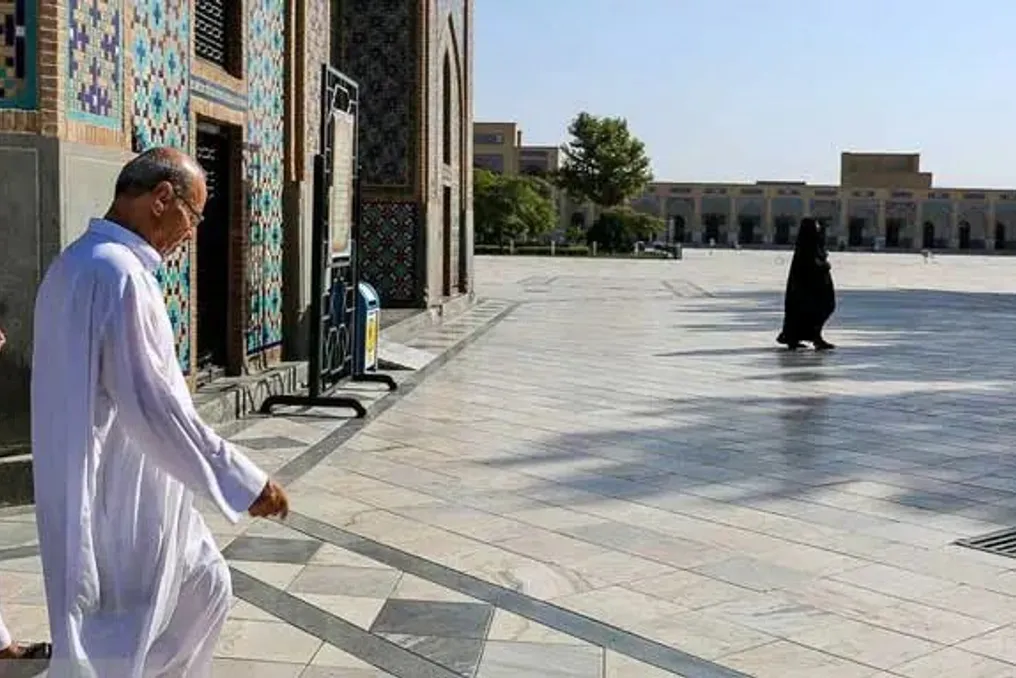
Religious tourism accounted for 56% of foreign arrivals in Iran in the first five months of the year
Read more
Tehran Times
www.tehrantimes.com

Religious tourism accounted for 56% of foreign arrivals in Iran in the first five months of the year

According to Anushirvan Mohseni-Bandepei, Deputy Minister of Tourism, religious tourism accounted for 56 percent of two million foreign tourists who visited Iran during the first five months of the current Iranian calendar year.

Mohseni-Bandepei told ISNA agency on Tuesday that two million visitors were attracted to the country in the first five months of 1405 (which began on March 21, 2026), 56% of whom traveled for religious tourism.

He emphasized that religious and pilgrimage tourism is a valuable resource for Iran, and that requirements for developing this sector were laid out in the country's Seventh National Development Plan. According to the official, given the current situation in the country, this potential could contribute to a wider presence of foreign guests.

The deputy minister noted that the figures presented indicate high demand for religious trips from neighboring countries, and stressed the need to improve tourist infrastructure, expand accommodation, and simplify the movement of pilgrims.

It was also mentioned that the national pilgrimage working group held its first meeting in Mashhad in April 2025, and the second meeting is taking place in Qom to identify and eliminate obstacles to the development of religious and pilgrimage tourism in Iran.

Mohseni-Bandepei named the limited number of direct flights as one of the main barriers to expanding international tourism, as it complicates travel for visitors from some countries. He gave the example: a Shia Muslim from Indonesia or Pakistan wishing to visit the shrine of Hazrat Masumeh (SA) is forced to enter the country through a third country, which is an obstacle.

Iran has a number of major pilgrimage centers that attract both local and international visitors. Mashhad, located in northeastern Iran, is the country's main pilgrimage center and home to the shrine of Imam Reza (AS), the eighth Shia Imam. This shrine complex is also considered one of Iran's most significant religious and architectural monuments.

Qom, located south of Tehran, is another major center for Shia pilgrimage and religious scholarship. The city is home to the shrine of Hazrat Masumeh (SA) and attracts pilgrims and religious visitors from Iran and other countries, especially from communities in the Middle East, as well as South and Southeast Asia.

Other religious destinations include Shiraz, where the Shah Cheragh shrine is located, as well as a number of historical mosques, shrines, and holy sites throughout the country. Furthermore, Iran has important religious heritage sites associated with various faiths, including Armenian Christian monasteries and Jewish historical and religious sites.
Similar stories

Iran participates in the Cosmoscow contemporary art exhibition for the third consecutive year
Read more
www.tehrantimes.com

Iran participates in the Cosmoscow contemporary art exhibition for the third consecutive year

As part of the 14th international contemporary art exhibition Cosmoscow in Moscow, representatives from Iran reported that the works of Iranian artists received a positive response from visitors to the event, which is considered one of Russia's most important professional art exhibitions.

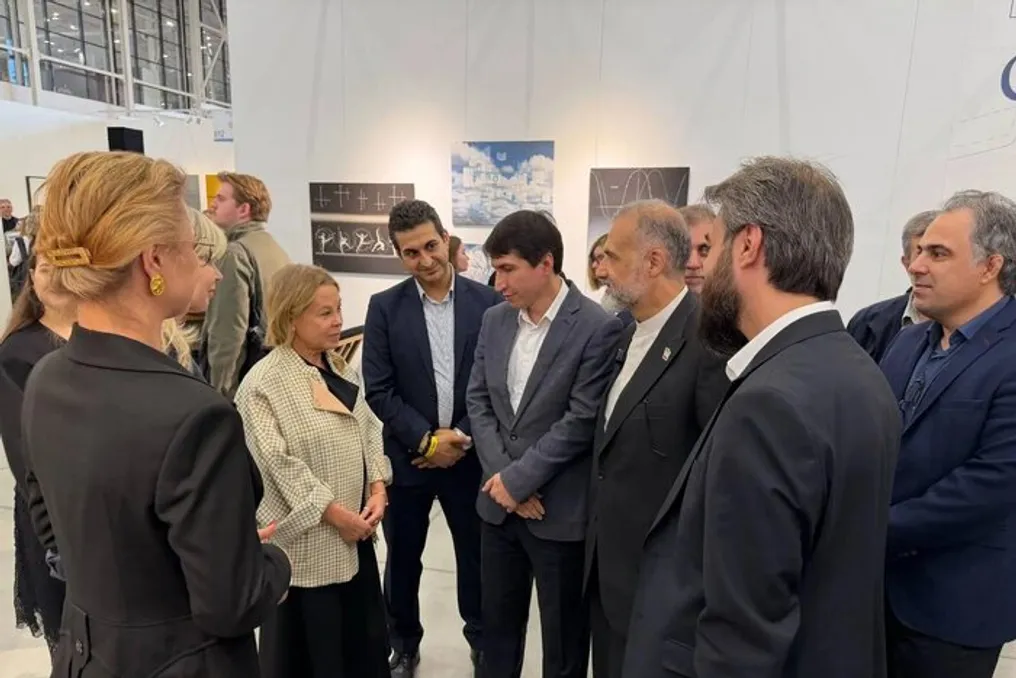
The exhibition took place from September 4 to 6 at the Timiryazev Center and gathered 108 galleries. Modern and traditional Iranian art was presented at this international event in a special 'Persian' section, according to the IRNA agency.

Iranian artists have been participating in this exhibition for the third consecutive year. Selected works by over 50 artists, represented by eight Iranian galleries, were on display and available for sale.

The collection presented within this project demonstrated the diversity of experience in modern and traditional Iranian art across different generations and artistic directions. Participants included both internationally recognized figures such as Mansour Ghandriz, Masoud Arabshahi, Ali Akbar Sadeghi, Sirak Melkonian, Aydin Aghdashloo, Nikzad Nojoumi, Mohsen Vaziri Moghadam, Reza Derakhshani, Faride Lashai, Hossein Kazemi, Farshid Maleki, and other pioneers, as well as contemporary Iranian artists who attracted visitor interest.

Kazem Jalali, the Iranian Ambassador to Russia, visited the Iranian pavilion and emphasized the importance of utilizing the potential of visual arts and developing direct interaction between artists, galleries, and cultural institutions of both countries to strengthen cultural ties between Iran and Russia.

Jalali noted: 'The significance of the presence of Iranian artists and galleries in the Russian market is not limited to displaying and selling works. Participation in such an event means that an Iranian artist enters the professional network of the Russian art market, gains visibility among collectors, gallerists, experts, and cultural institution leaders, and creates opportunities for future exhibitions, sales of works, and cooperation.'

He added that 'continuing such a presence helps build trust and recognition in the art market, which in contemporary art is usually achieved only through constant participation and direct interaction between artists, galleries, and collectors.'

Margarita Pushkina, director and founder of Cosmosco International Contemporary Art Fair, also commented on the visit to the Iranian pavilion: 'We all know that, without exaggeration, Iranian culture and art are very rich, and we have always been interested in them.'

Pushkina continued: 'Before the participation of contemporary Iranian artists in our exhibition, we had heard and known a lot about their abilities. When the opportunity arose to invite Iranian galleries and artists to participate in this event, it was a great honor for us.'

She also noted that 'Russian people have become acquainted with the works of talented Iranian artists in recent years and have grown accustomed to Iran presenting its galleries and artists' works to them.'

Speaking about his visit, Abdolreza Rashed, Cultural Attaché of the Iranian Embassy in Russia, stated: 'The presence of our country's artists at Cosmoscow over the past three years is not just a ceremonial act. This presence can be seen as a practical example of cultural diplomacy through art, a path through which Iran is presented not only through official programs but also directly through the works and language of Iranian artists.'

Rashed further explained that 'over the past three years, by supporting the participation of Iranian galleries and artists, accelerating and facilitating negotiations with the Russian side, taking necessary measures with the exhibition organizers, and helping to establish connections between art professionals from both countries, we have tried to pave the way for a more regular and effective presence of Iranian art.'

He also reported that the Iranian pavilion, titled 'Persian Art: Dialogue of Generations,' attempted to present a modern image of Iranian art to the Russian audience, moving beyond stereotypical perceptions. Thanks to the presence of works from different generations, historical continuity between modern and traditional Iranian art was demonstrated.

Popular