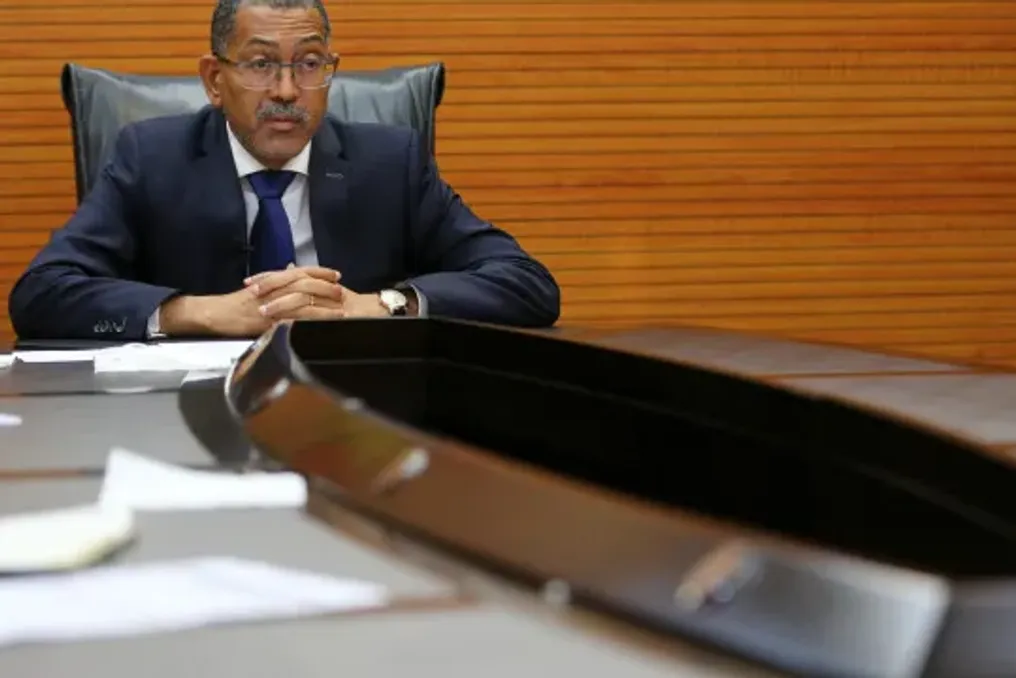
Fanny Vong observed that the recent signing of a partnership with Eduardo Mondlane University (UEM) in Mozambique represents a significant milestone for UTM. She highlighted that this is an important strategic relationship with Portuguese-speaking countries.
This collaboration establishes a program focused on developing qualified professionals, promoting scholarships, advanced training, and academic exchange for both professors and students.
The initiative was formalized on September 3rd, allowing UTM to help enhance Mozambican human capital. Currently, three faculty members from UEM are enrolled in master's programs offered by UTM.
In addition to Mozambique, there are discussions about a possible partnership with Angola. UN Tourism mediated the contact between UTM and the Angolan Ministry of Tourism, as the country is developing professional schools in the tourism sector and has expressed interest in collaborating with UTM on this project.
Vong recalled that Portugal is also part of UTM's international network, citing a double master's certificate program with ISCTE as an example.
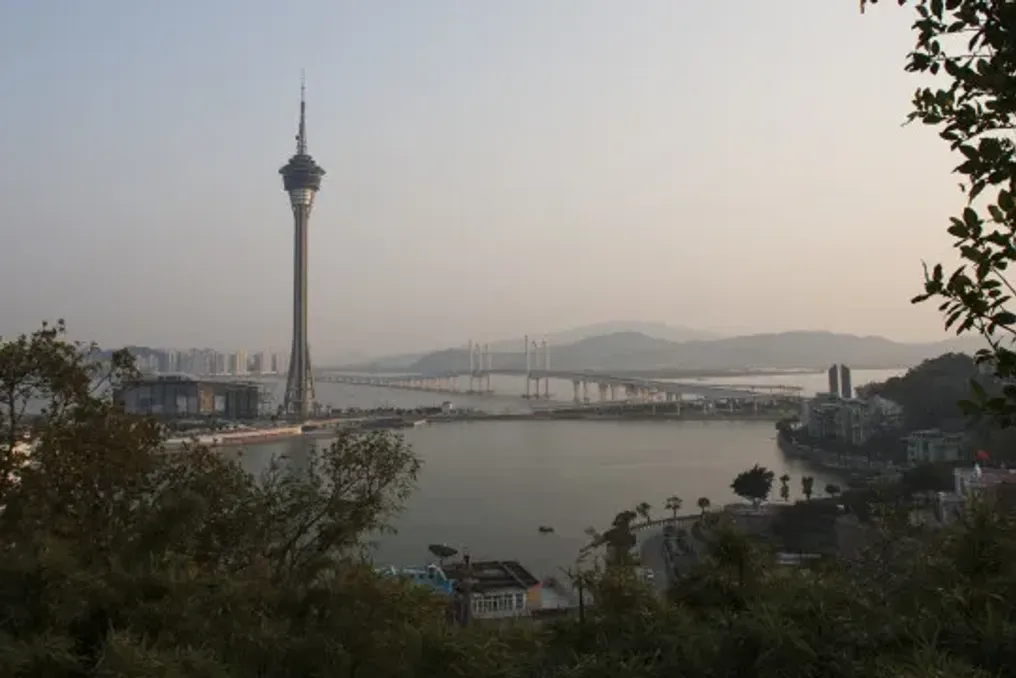
However, internationalization also aligns with the new plan of the Macau Government, which aims to strengthen the region's position as a connection point between China and the Hispanic world. The Macau Special Administrative Region (MSAR) was designated by China as a platform to intensify economic and trade cooperation with Lusophone countries in 2003, and more than two decades later, the Macau Government expanded its focus to include Spanish-speaking countries.
UTM plans to sign an agreement next week with the University School of Tourism, Hotel Management, and Gastronomy, affiliated with the University of Barcelona. Vong informed the Lusa agency that they consider this an excellent opportunity, given the governmental support in Macau and the search for solid partners in Spain. There is already a prior collaboration with the Swiss institution Les Roches Global Hospitality Education, which has a campus in Spain.
These endeavors will receive a financial boost from a donation of one million patacas (approximately 106 thousand euros) made today by the gaming concessionaire MGM China to the UTM Development Foundation. According to the rector, this contribution should be used to improve the quality of teaching, increase scientific research, and enable improvements or renovations to infrastructure.
Vong also emphasized the long-standing collaboration with Macau's integrated resorts, which benefit from university personnel training. She stressed the importance of current scientific production, hoping to use research and new knowledge to drive high-quality tourism development, not just development itself.
During the support handover ceremony, Cheung Kin Chung, chairman of the executive committee of the UTM Development Foundation, expressed hope that this donation would serve as a bridge to deepen the integration between the tourism sector and the academic environment.
For his part, Kenneth Feng, CEO of MGM China Holdings Limited, stated that the company wishes to support the capacity building of professionals for Macau's cultural and tourism sectors, contributing to the development of Macau as a World Center for Tourism and Leisure. Fanny Vong added that, besides MGM, similar agreements are already planned with other gaming operators, such as Galaxy, Sands China, and Melco.