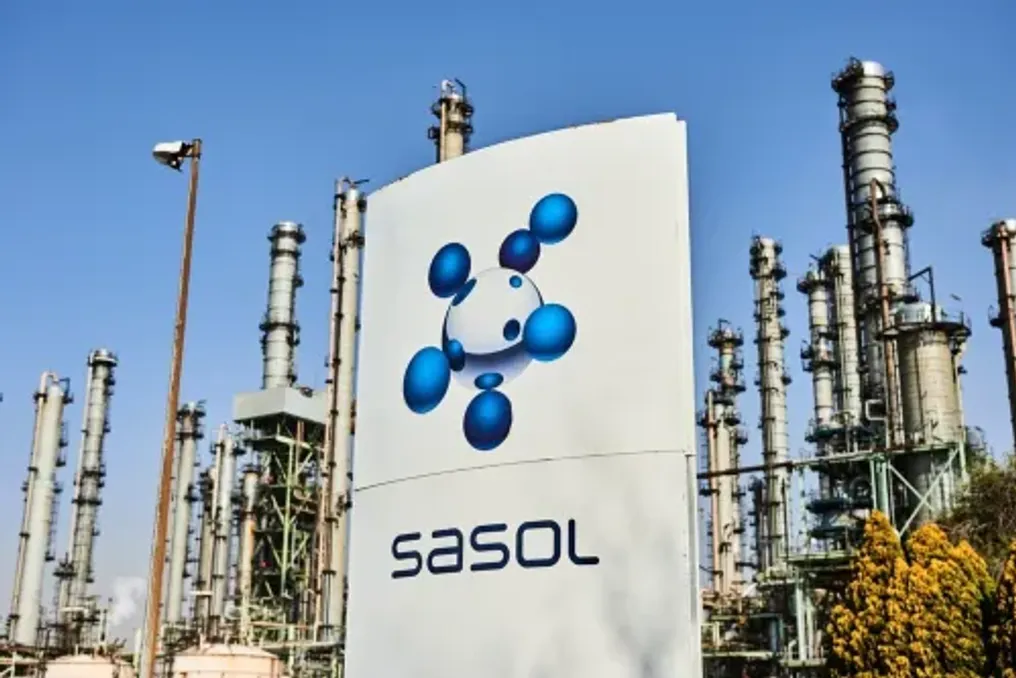
A new study estimates that pollutant emissions from the Sasol Secunda facility lead to serious health problems and cost the South African economy approximately 19 billion rand per year.
According to the study conducted by the Centre for Energy and Clean Air Research (CREA), emissions from this site may be linked to around 1000 deaths and 1100 premature births in 2024. Furthermore, it was found that the pollution contributes to an increased risk of childhood asthma and other health issues, with consequences affecting not only the local communities of Secunda.
The study notes that besides mortality, the negative impact of pollution on health causes long-term suffering, with children being the most affected, which impacts future generations. CREA's analysis shows that in 2024, emissions from Sasol Secunda Operations contributed to approximately 1100 premature births, as well as increased risks of low birth weight, other adverse birth outcomes, and subsequent rise in the burden of childhood asthma.
According to the research, in 2024 alone, Sasol Secunda released approximately 112 thousand tons of sulfur dioxide (SO2), as well as significant volumes of hydrogen sulfide (H2S). It was calculated that the South African economy's expenditure on health problems related to Sasol Secunda's activities amounts to about 1 billion US dollars (19 billion rand) annually, despite the facility being considered one of the industrial centers and job providers in South Africa.
Researchers also put forward several recommendations for the government, including the need to review alternative emission limits for SO2 at the Sasol Secunda site.
Calls for stricter emission limits
CREA strongly called for the mandatory annual reduction of emissions of SO2, nitrogen oxides, particulate matter, and hydrogen sulfide across the entire facility. The organization also demands enhanced emission reporting and independent monitoring with mandatory public disclosure of data. Moreover, CREA advocated for stricter air quality standards and for affected communities to have a greater role in air quality planning and control.
Sasol's plans to reduce emissions
Sasol states that over the past five years, the company has invested more than 7 billion rand in emission reduction projects at its facilities in Secunda, Sasolburg, and Natareef. According to information published on the company's website, 98% of emission sources at these sites already comply with Minimum Emission Standards. Sasol points out that the remaining task is to adhere to the sulfur dioxide (SO2) concentration limit for boilers in the steam plants in Secunda.