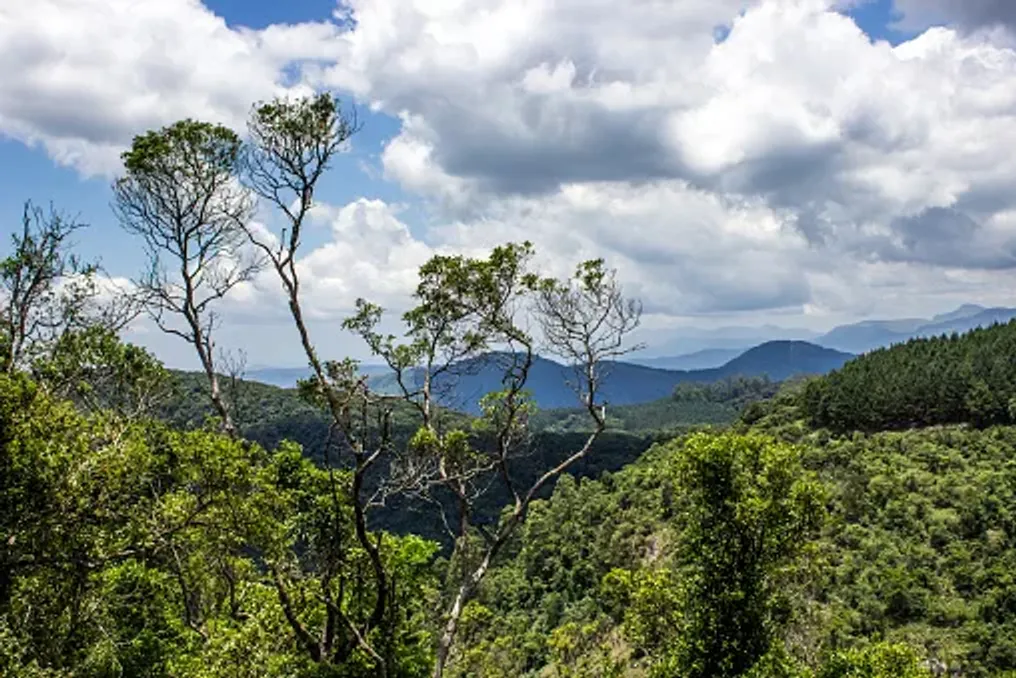
Few places in South Africa feature such a dramatic change in scenery over a short distance. A three-day road trip through the Magoeabaskloof and Tsanen regions of Limpopo can take travelers from cool mountain meadows and misty forests to waterfalls, farms, orchards, and the warmer landscapes of Lowveld.
This area, known as the Land of Silver Mist, is situated on the northeastern border of the Drakensberg, with Wolfberg serving as an impressive backdrop. The terrain is renowned for its endangered Afro-montane forests, grasslands, mountain streams, and fruit farms.
Spring is considered an especially suitable time for the trip. The mountain climate supports gardens filled with azaleas, cherry trees, and other blooming plants, while as the warmer and wetter months approach, the landscape begins to take on an increasingly green hue.
Here is how you can spend 72 hours exploring this lush corner of Limpopo. The journey should begin in Haenertsburg, a small mountain village beneath Iron Crown Mountain. This village, over 125 years old, originated from the region's gold rush history, but today possesses a more relaxed, village atmosphere with cafes, restaurants, galleries, bookstores, and independent shops.
In the morning, you can stroll through the streets and then stop for coffee or breakfast. The village is compact enough for a walking tour, allowing for an easy introduction to the region before heading out into the surrounding countryside. History enthusiasts can visit the open-air museum and historical sites, while the cemetery above the village offers extensive views of the surrounding landscape.
For more active recreation, you can dedicate several hours to the Louis Shangion hiking trail. The route passes through the grasslands of Haenertsburg, offering both short and long options. These grasslands are particularly important as the Woodbush granite grasslands are one of the most vulnerable vegetation types in Limpopo.
Food is one of the pleasures of slowing down in Haenertsburg. The village has several independent establishments, including Bistro, which serves South African comfort food alongside dishes inspired by Mediterranean and North African cuisines, as well as cakes and pastries. Alternatively, you can visit farms and make the landscape part of your meal. The surrounding area is increasingly associated with local produce, including berries, avocados, and other fruits suited to its cool mountain climate.
The Magoeabaskloof gardens in spring truly deserve a spot on the itinerary. The altitude and cool climate of this area allow plants typically associated with colder regions, such as azaleas, Japanese maples, and cherries, to thrive. Several gardens are open to visitors, making a garden stop an easy addition to a road trip. One option is Kuchestan Gardens, a 1.5-hectare garden open to visitors in the mornings. Another seasonal option is Cherio Gardens, which lists spring celebrations in September and October in its 2026 events calendar.
It is recommended to stay overnight in the Magoeabaskloof area rather than continuing on to Tsanen. This allows more time to enjoy the cool mountain air and positions you closer to the forest and waterfall attractions of the next day. There are numerous accommodation options around the mountains: from farm guesthouses and cottages to glamping and guest houses.
On the second day, the morning should be spent in the local forests of Magoeabaskloof. The Woodbush Forest Reserve is a main attraction for bird lovers and nature enthusiasts. The forest is home to many species of forest birds, including the capercaillie, black-headed thrush, and orange ground thrush. You do not need to be an ornithology expert to enjoy this experience. The combination of tall trees, mossy forest floor, streams, and bird song makes this landscape one of the most atmospheric in the region.
For a shorter walk, the Swartbos trail is suitable, passing through the local forest and featuring elements such as the Cathedral Oak and viewpoints over the surrounding valleys. If you are traveling with an avid birdwatcher, consider hiring a local guide, as birds are easier to hear than see in the forest, making local knowledge particularly useful.
From the forest, you can head to the Debengeni Waterfall, one of the iconic natural attractions of Magoeabaskloof. The waterfall cascades through the forest landscape and has a picnic area, making it a simple spot for a daytime or afternoon outdoor stop. The tourism association currently indicates that the site is open daily from 08:00 to 17:00, with an entrance fee of 50 rand per person. It is advisable to check before traveling, as operating conditions may change.
The route to the waterfall also allows you to experience the regional forest landscape, rather than just arriving at a viewpoint and leaving. The agricultural nature of Magoeabaskloof is another reason to linger here. At Vegraakbos farm, visitors can taste cheese made using traditional methods. You can also stop at one of the farm stalls or cafes in search of fresh produce and something to eat before continuing the journey. For lunch, the Magoeabaskloof Farm Stall and Cafe are located right on the R71 road and are a convenient stop between mountain attractions.
If walks and waterfalls are not enough, make the second half of the day more adventurous with an adventure experience. Magoeabaskloof Adventures offers various activities in the dramatic George's Valley landscape, and the entire area is also known for hiking, mountain biking, gentle forest tours, and other forms of outdoor recreation. The gorge is particularly impressive due to the steep rocks and waterfalls carved into the landscape.
The second night can be spent again in Magoeabaskloof or you can begin a gradual descent towards Tsanen if you want to maximize the last day. The last day starts with one of the best stretches of road within the trip. The Magoeabaskloof Pass winds along the R71 road between Haenertsburg and Tsanen. Approximately six kilometers, the road descends nearly 600 meters, taking travelers from the cool mountain environment into the warmer subtropical Lowveld. It is worth driving this section slowly. Stop where it is safe, admire the views, and observe the changing vegetation during the descent.
The contrast makes this route very appealing: at one moment you are surrounded by misty forests and mountain meadows; soon the landscape becomes warmer, greener, and increasingly agricultural. Tsanen is the natural conclusion to the trip. Where Magoeabaskloof is linked to cool-climate crops such as blueberries, raspberries, avocados, and kiwis, the lowland area around Tsanen has a warmer, subtropical character. It is this landscape that gives the trip its 'mountain and mango' identity: a journey between two very different agricultural worlds separated by an impressive escarpment.
Spend the second half of the day exploring the surrounding rural area of Tsanen, stopping at farm stalls, restaurants, or viewpoints along the way. The Tsanen Dam can be a final stop, depending on conditions and accessibility. The dam and surrounding landscape provide a calmer conclusion after two days of hiking, waterfalls, and mountain roads. It is a chance to relax and appreciate how much the landscape has changed since starting in Haenertsburg. Alternatively, add a wildlife element to the last day by visiting Agatha Crocodile Farm, especially if traveling with children or wanting a more interactive end to the trip.
A three-day trip through Magoeabaskloof, Haenertsburg, and Tsanen suits most of the year, but spring adds another layer of experience. The mountain gardens bloom, the meadows begin to green, and misty conditions return as the region moves toward the rainy season. The local tourism association particularly highlights September and October for the region's spring gardens. This is also a season when the journey itself becomes part of the attraction. Instead of marking individual sights, you observe how the entire landscape changes while moving from the highlands to the Lowveld. At least three days must be allocated to this route, with the car being the simplest way to connect villages, forests, waterfalls, and farms.