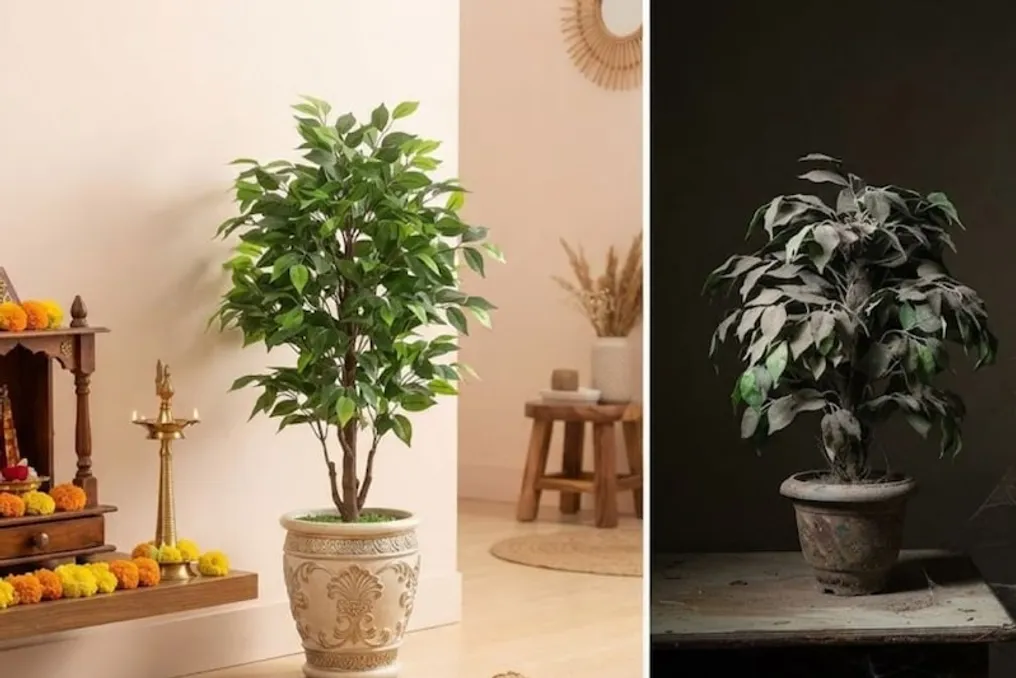
Rules for Using Artificial Plants in the Home According to Vastu Principles
Read more
Aaj Tak
www.aajtak.in

Rules for Using Artificial Plants in the Home According to Vastu Principles

In the modern world, where people's lifestyles have become very stressful, caring for real plants in small urban apartments or rooms with insufficient light presents a serious problem. Because of this, many people actively use artificial plants to give the home interior an attractive and green look. These plants do not require daily watering or care regarding sunlight.

Despite the fact that such decorative elements make life easier, experts in Vastu Shastra and Feng Shui warn that they can cause vastu defects in the home.

According to Vastu Shastra teachings, living and natural plants are a symbol of the balance of the five elements of nature (Earth, Water, Fire, Air, Ether) and contribute to the spread of positive energy in the dwelling. In contrast, artificial plants lack vital or natural energy.

Furthermore, real plants purify the environment and bring peace of mind, whereas synthetic or plastic analogues do not provide such vitality.

When using artificial plants, several key aspects should be considered:

  1. Ensuring Cleanliness

    The main problem is that people often just place artificial plants and forget about regular cleaning. Dust and dirt accumulated on them contribute to the intensification of negative energy, so they must be regularly and thoroughly cleaned.

  2. Prohibition of Use in Places of Worship

    According to Vastu rules, plastic or artificial flowers and leaves must never be placed near temples or places of prayer. It is always considered auspicious to offer only fresh and natural flowers before a deity.

  3. Choice of Color and Design

    One should avoid purchasing excessively bright, flashy, or unusually designed artificial plants. Artificial plants chosen should look as natural and restrained as possible so that they complement the beauty of the home, rather than looking strange.

  4. Immediate Removal of Damaged Specimens

    If an artificial plant becomes outdated, its color fades, or it breaks, it should be immediately removed from the house. Keeping damaged or lifeless items in the dwelling is considered extremely inauspicious from a Vastu perspective.

  5. Creating Proper Balance

    If you have the opportunity and even a little space, instead of relying entirely on plastic plants, be sure to plant at least one or two real plants, such as a money tree, sansevieria, or basil. This combination of natural and artificial plants helps improve the atmosphere in the home.
Similar stories

These 6 plants grow easily on walls and can give your home a green look without needing much space
Read more
www.aajtak.in

These 6 plants grow easily on walls and can give your home a green look without needing much space

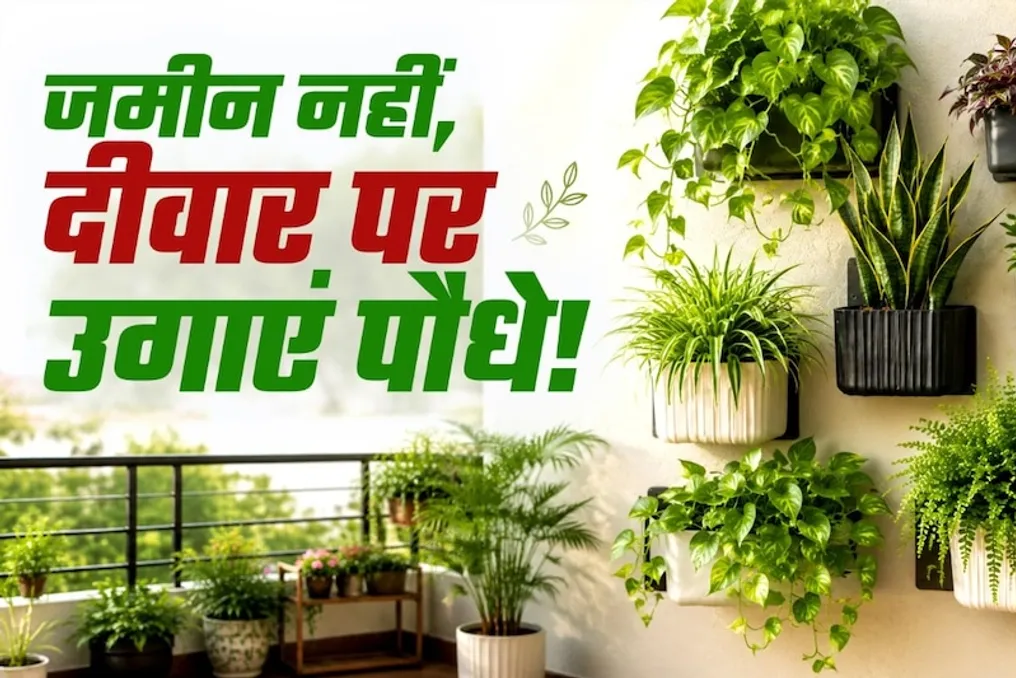
Many people want to have plants in their homes, but in small apartments or studios, the problem arises of where exactly to place the pots. Placing pots on the floor reduces space and makes the house feel cluttered. In such cases, empty walls can be used to make the home beautiful and green by placing plants on them.

Using vertical gardening is especially useful in small dwellings because it allows you to increase the amount of greenery without taking up much space. This does not require soil or a large area. Below are six types of plants suitable for this purpose.

Plants that grow easily on walls:

1. Sansevieria (Money Plant): Sansevieria is a simple option for decorating home walls. Its trailing shoots can be directed upwards along the wall or hung in a pot, allowing them to hang down. In small apartments, on balconies, or near windows, it can be placed to beautifully decorate an empty wall.

2. Pothos: The long runners of Pothos are excellent for placement on walls. It can be placed in small floor pots, hanging baskets, or on shelves from which the runners will cascade. If you aim to create a natural, slightly jungle-like look in your home, this plant type will be a good choice.

3. Philodendron: The leaves of the Philodendron are very attractive, and some varieties are climbing. It can be placed in small pots or on shelves attached to the wall. By slowly directing the plant's shoots upwards or sideways, you can significantly change the appearance of the wall.

4. Syngonium in small pots: If you prefer compact plants with beautiful leaves rather than large ones, you can plant Syngonium. By placing it in small pots attached to the wall, you can create a green corner by combining several plants. Placing pots at different heights will make the wall even more attractive.

5. Hoya for creating a vertical garden: The runners and thick leaves of Hoya give a decorative look when decorating walls. By placing it in a small wall-mounted pot and allowing the runner to grow downwards, you can create the effect of a miniature vertical garden using several pots of different sizes on one wall.

6. Monstera for a stylish look: The large, characteristic-holed leaves of the Monstera distinguish it from other plants. If you want to give an empty wall in your home a more stylish look, it can be placed on a shelf or in a large wall pot. Instead of putting large pots on the floor, you can use wall-mounted plants, thus saving space.

Tips for placing plants on the wall

When greening a wall, you should avoid using overly heavy pots. You need to choose lightweight pots and ensure they have a proper drainage system. If water constantly drips directly onto the wall, it can lead to stains and dampness. It is also preferable to place plants in areas where they can receive enough light according to their needs. To achieve a more natural and beautiful look, it is better to place the pots on the wall not in a straight line, but at varying heights.

According to Vastu, these 4 plants should be placed in the southwest direction of the house to attract wealth
Read more
www.aajtak.in

According to Vastu, these 4 plants should be placed in the southwest direction of the house to attract wealth

In addition to improving the appearance of the home, many people pay attention to Vastu principles when decorating their houses. In Vastu teachings, there are various views on plants; it is believed that placing a suitable plant in the correct direction helps create a positive atmosphere in the home.

According to Vastu, the southwest direction is associated with stability and solidity. Certain types of plants are recommended for this zone. If you are planning to green your home, you can consider the following four plants for placement in the southwest sector.

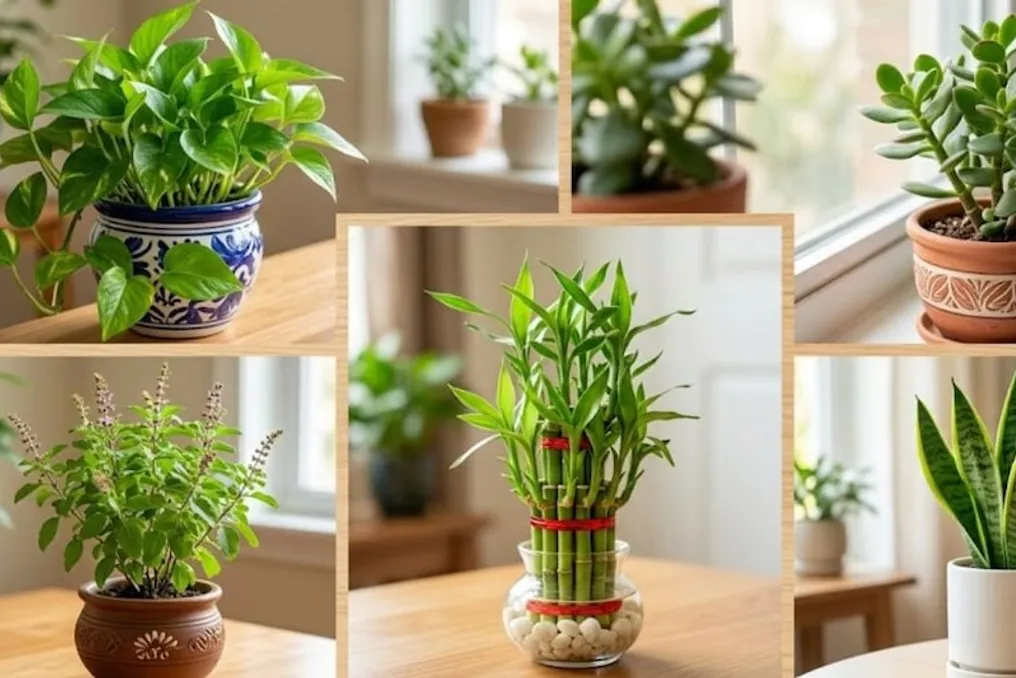
Rubber Plant. The Rubber Plant is easy to grow indoors, and its large, dense leaves give the house an aesthetic look. According to Vastu beliefs, placing a Rubber Plant in the southwest direction is considered auspicious. It is important to place it where it will receive enough light and to regularly clean its leaves.

Sansevieria (Snake Plant). Sansevieria grows well even with minimal care and does not require frequent watering. Thanks to its straight and sturdy leaves, this plant is a good choice for decoration. Vastu links the placement of this plant in the southwest direction with positive energy and stability.

Jade Plant. In Vastu, the Jade Plant is associated with prosperity and wealth. Its small, dense, and green leaves make it very attractive. There is a belief that placing it in the southwest direction supports financial stability and a positive environment in the home. Care must be taken not to overwater the Jade Plant.

Areca Palm. The Areca Palm is used to make the house greener and more beautiful. According to some Vastu concepts, it can be placed in the southwest direction. However, to maintain the plant's health, it needs sufficient light, air circulation, and the correct amount of water.

In Vastu, the southwest direction is connected to the earth element. Therefore, pots of brown, beige, earthy, or terracotta colors are recommended for this area. For large plants, sturdy and heavy pots are best.

Do not leave withered plants. After planting, the plant requires constant care. Dry or withered plants should not be kept in the house for long. Dry leaves must be removed, and the plant must be provided with the necessary watering and lighting according to its needs. According to Vastu, thorny plants and heavily sprawling vines should be avoided in the southwest direction.

Popular