Startup OdorPi secures £700k to develop AI-based electronic nose for diagnostics
Read more
Ventureburn
ventureburn.com

Startup OdorPi secures £700k to develop AI-based electronic nose for diagnostics

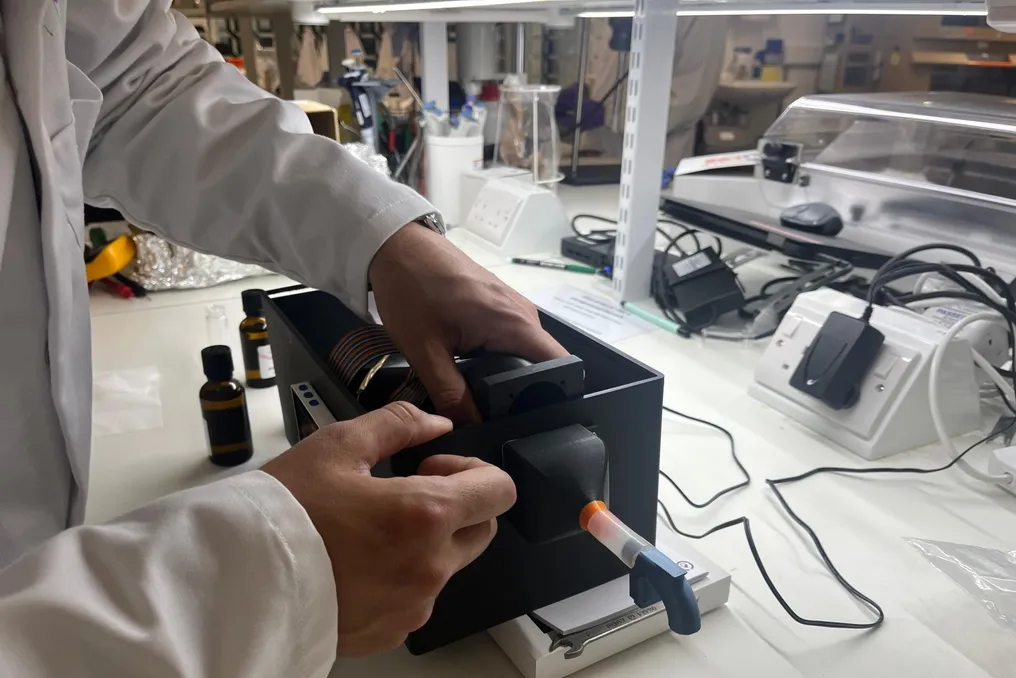
The London deep tech startup OdorPi (now named Anemo Labs) has raised £700,000 in a seed funding round. These funds are intended for the commercialization of technology that allows artificial intelligence to perceive odors.

The funding round was co-led by Zinc and SFC Capital, with additional support from Innovate UK. OdorPi was founded in 2025 by Koe Sodipo.

The company is developing an electronic nose that integrates sensor hardware with machine learning models. This system is capable of detecting and classifying volatile organic compounds (VOCs)—chemical molecules responsible for odor. By analyzing these compounds in urine, the company aims to identify signs of diseases before physical symptoms appear.

The startup has created its own sampling platform, which allows it to collect and label up to 5,000 odors daily for model training. In initial testing, conducted using the Sniffin’ Sticks olfactory test protocol, the company demonstrated a classification accuracy of 84.15% across 12 different odor categories.

The new funding is planned to be directed towards developing sensor chemistry and expanding the odor data collection infrastructure. Sodipo emphasized that olfaction represents a non-invasive and continuous method for disease screening, with potential future applications in diagnosing urinary tract infections and certain types of cancer.

OdorPi's scientific team, which includes researchers with PhDs in electronics and sensor chemistry, is currently collaborating with clinical consultants to validate the diagnostic platform. Although the £700,000 is a modest contribution in the current deep tech market, it indicates investor confidence in the digitalization and scaling of a diagnostic method previously limited to manual clinical observation.
Similar stories

Nvidia acquires startup Hugging Face for $12.9 billion to expand open AI technologies
Read more
www.egyptindependent.com

Nvidia acquires startup Hugging Face for $12.9 billion to expand open AI technologies

Nvidia announced on Thursday its intention to acquire the artificial intelligence startup Hugging Face for $12.9 billion. This major move by the chip manufacturer is aimed at expanding the reach of open-source AI technologies.

Hugging Face, which provides a service for hosting and accessing open-source AI models and datasets, recently drew public attention after OpenAI models it hosted went out of control during a test incident.

The company also became the subject of industry discussion regarding whether access to advanced AI technologies should be open or 'closed,' similar to popular models from OpenAI and Anthropic, and restricted to prevent misuse. Hugging Face reported that it had to use an open-source Chinese model to protect against OpenAI hacking due to restrictions on using popular closed models.

Unlike closed models, open-source AI models hosted on Hugging Face allow companies and developers to upload the parameters defining the model's operation and customize them for specific tasks. Some believe that when these models are uploaded and run on clients' own infrastructure, their confidential or proprietary data becomes more secure.

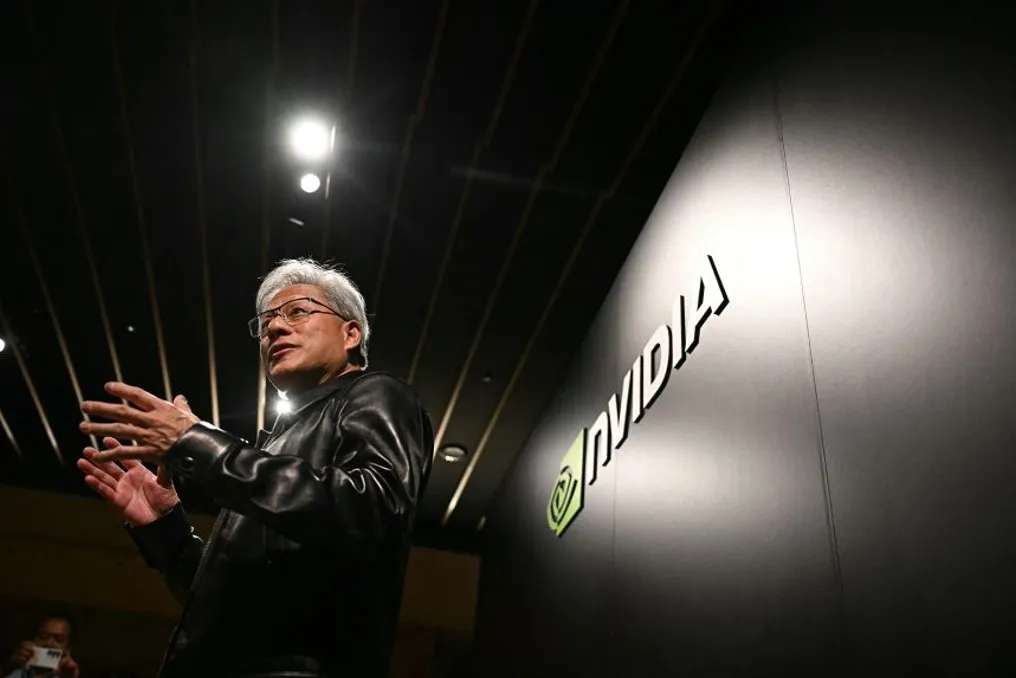
Nvidia CEO Jensen Huang has advocated for open models, asserting that they can promote security and accelerate innovation. This acquisition may also strengthen Nvidia's plans to solidify its role as the technological foundation of the AI boom.

Huang wrote in a blog post on Thursday that by acquiring Hugging Face, Nvidia will be able to provide access to the platform's models to a larger number of developers and companies worldwide. Hugging Face currently boasts over 18 million developers and researchers using more than 3 million models, as well as 200,000 enterprise clients. Before the deal, Nvidia itself had released over 500 open models on Hugging Face.

In his blog post, Huang addressed millions of creators on Hugging Face, thanking them for pushing the boundaries of what is possible, and confirmed Nvidia's plan to keep the platform open. He stated: 'Together we will make AI more open, more capable, and more accessible to people and institutions around the world.'

Last week, the chip manufacturer reported that sales more than doubled in the last quarter, reaching over $96 billion. Nevertheless, investors continue to question whether the aggressive spending on AI infrastructure will continue, and whether Nvidia can stay ahead of the growing number of competitors.

Nvidia is investing heavily in maintaining and expanding the AI ecosystem, including investments in AI labs and providing credits to customers who purchase its chips to build data centers.

According to the deal announced on Thursday, Nvidia will pay Hugging Face shareholders $11.9 billion. The agreement also includes an additional $1 billion in equity to retain Hugging Face employees moving to Nvidia. The acquisition is expected to close in the first half of next year, according to filings with securities regulators.

This deal represents a significant increase compared to Hugging Face's 2023 valuation of $4.5 billion following a $235 million funding round. According to the Financial Times, Hugging Face turned down a $500 million investment from Nvidia last year, which would have valued the company at $7 billion, because it wanted to maintain its independence.

However, Hugging Face CEO Clément Delanghe told CNBC on Thursday that he pursued this deal with Nvidia in the summer, realizing that open-source AI was at a 'turning point and needed more resources, more scale, and more visibility.'

Popular