
South Africa introduces anti-dumping duties of up to 129.15% on imported windshields from China and Malaysia
Read more
IOL
iol.co.za

South Africa introduces anti-dumping duties of up to 129.15% on imported windshields from China and Malaysia

The South African Revenue Service (SARS) has set final anti-dumping duties of up to 129.15% on automotive windshields imported from China and Malaysia.

Under the new measures, duties on Chinese front windshields range from 12.92% to 129.15%, depending on the manufacturer. For instance, Dongguan Kong Wan Automobile Glass will face a duty of 28.39%, while Xinyi Automobile Glass and Dongguan Benson Automobile Glass fall under a 12.92% duty. BSG Auto Glass and Fuyao Glass Industry Group are exempt from these duties.

The introduction of these duties followed the International Trade Administration Commission's (ITAC) finding of circumvention of existing anti-dumping measures on Chinese imports by rerouting windshields through Malaysia. This circumvention undermined the effect of previously adopted measures for the Southern African Customs Union (SACU) industry.

ITAC stated that after reviewing stakeholder comments, the Commission concluded there were sufficient grounds to believe that 'country jumping' circumvention was occurring, as well as that dumping of the corresponding product imported from Malaysia was taking place. Furthermore, the organization noted that the SACU industry is suffering material injury and threat of such injury based on the initial investigation findings.

The ITAC Commission also found that this circumvention weakened the effect of anti-dumping duties imposed on windshields from China. In light of these findings, the Commission recommended that the Minister of Trade, Industry and Competition expand the anti-dumping duties applied to windshield imports from China to imports from Malaysia, and also impose the same anti-dumping duties on front windshields declared under tariff heading 2. These final anti-dumping duties were implemented by SARS on September 4, 2026.
Similar stories

China Imposes Temporary Anti-Dumping Measures Against Japanese Dichlorosilane (DCS)
Read more
cgtn.com

China Imposes Temporary Anti-Dumping Measures Against Japanese Dichlorosilane (DCS)

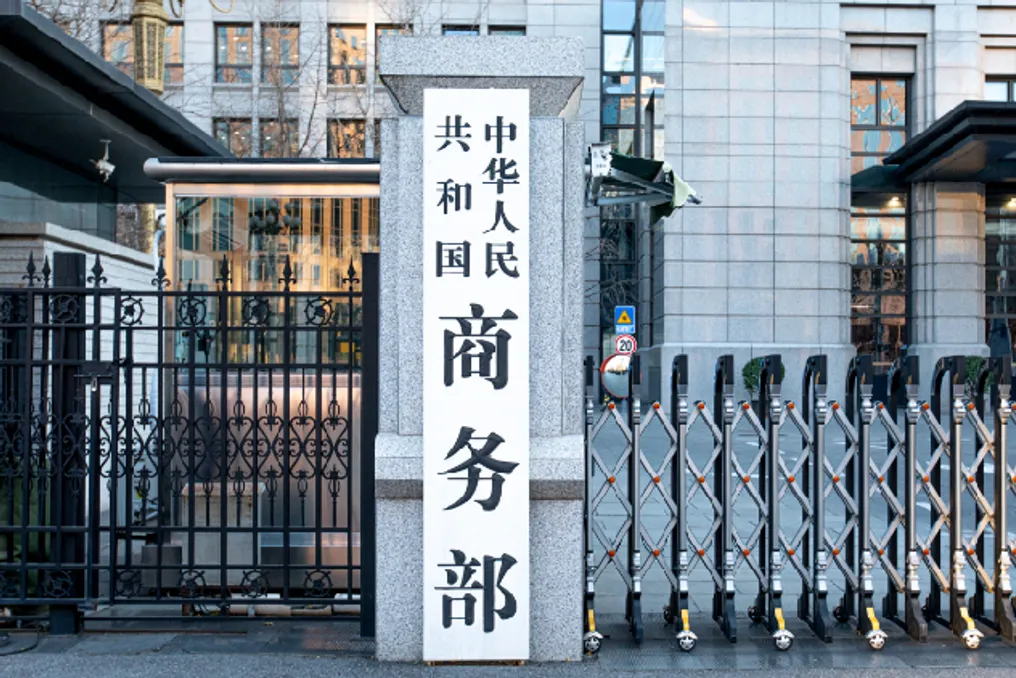
The Ministry of Commerce of China announced on Monday the imposition of temporary anti-dumping measures against dichlorosilane (DCS) imported from Japan. This decision followed a preliminary finding that the product was being sold in the Chinese market at dumping prices.

According to China's anti-dumping regulations, importers are now required to provide monetary deposits to the Chinese customs. The size of these deposits will range from 80.8% to 99.2%, depending on the margin coefficient established for each company. These requirements take effect on September 8, 2026.

The investigation began on January 7, 2026, after an application was submitted by domestic industry. The review was conducted in strict accordance with Chinese laws, regulations, and World Trade Organization rules.

A ministry representative stated that preliminary data demonstrated that the dumped imports from Japan caused significant material damage to the local industry, and a causal link between this dumping and the damage was established.

The ministry representative added that China is exercising caution and restraint in applying trade regulation measures while maintaining commitment to the principles of free and fair trade. The Ministry will continue the investigation within the law, ensuring full protection of the rights of all interested parties, and will issue an objective and fair final decision based on the results obtained.

DCS is a critical material for microchip manufacturing, where it is predominantly used in thin-film deposition processes—such as epitaxial films, silicon carbide films, silicon nitride films, silicon oxide films, and polysilicon—for producing logic, memory, and analog chips. Furthermore, it is used in the synthesis of silicon-containing precursors and polysilanes.

Popular