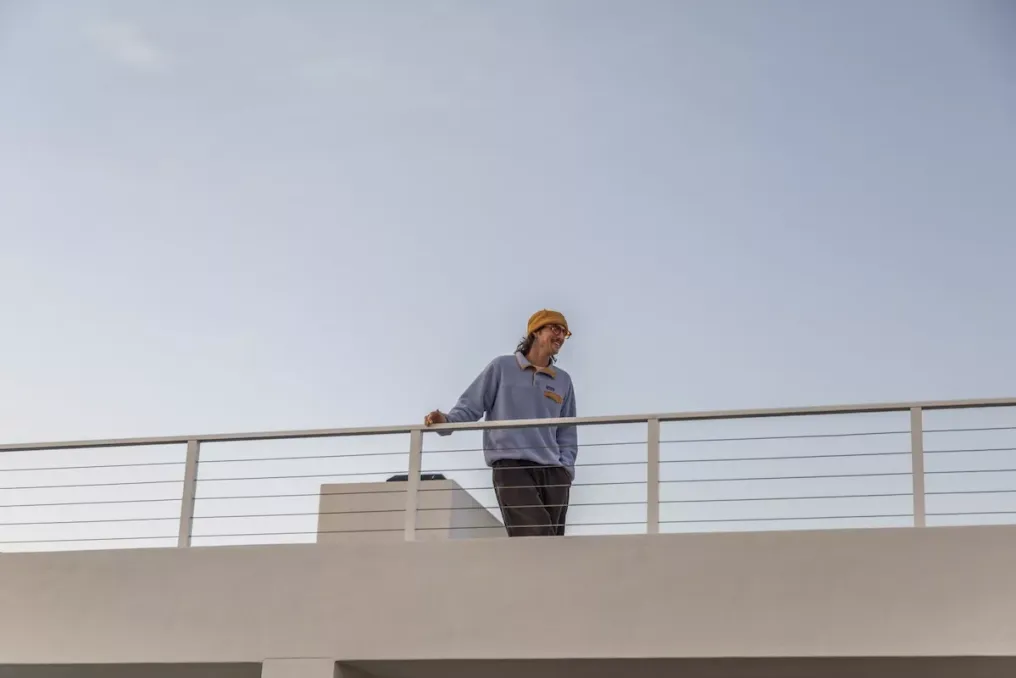
De Wildeveldt's luxurious lodges on the West Coast offer a retreat amidst sand dunes during the flowering season
Read more
Getaway
getaway.co.za

De Wildeveldt's luxurious lodges on the West Coast offer a retreat amidst sand dunes during the flowering season

After a long break, the author managed to visit the West Coast, and by fortunate coincidence, his return coincided with the start of the wildflower season and the general optimism that spring brings.

The arrival of September marked a time for reflection on the past year while simultaneously creating anticipation for a sunny and fulfilling final quarter, as well as the beginning of new trips. Spring is a beautiful time, and the West Coast is particularly picturesque during this period, adorned with yellow daisies and purple violets; the days remain fresh, but the nights are cool enough to maintain coziness as winter departs.

The author received an invitation to the luxurious De Wildeveldt accommodations and was able to gather three friends for a two-day getaway during the work week. Currently, only three properties are located on 2000 hectares of private land, and they were provided with two of these luxury homes to spend 48 hours surrounded by vast sand dunes and renosterveld, enjoying the unique tranquility of the West Coast.

The Veldt Haus collection, where they stayed, includes two luxurious self-catering cottages. These houses look monumental and minimalist, white structures contrasting with the ochre driveway and green horizon line. However, the interior space is warm and sophisticated, using natural tones and quality fabrics, complemented by modern technological elements.

These lodges avoid sacrificing intimacy for grandeur, radiating elegance rather than ostentatious luxury. This creates a feeling of home comfort conducive to closeness among people, while clearly showing that the guest is relaxing in luxury away from daily life.

Each unit is designed for two and features a one-bedroom layout with one bathroom, equipped with a king-size bed, a separate toilet, shower, and bath. A special design highlight is the outdoor shower tiled with vertically laid terracotta tiles. The roof features an open deck with an even more spectacular view. The house has an open-plan kitchen with a coffee maker, dishwasher, and refrigerator, and a fireplace in the living room serves as a central element. Other important amenities include air conditioning, a second refrigerator, an in-room safe, and wireless internet.

This wonderful retreat opens onto a spacious terrace, which includes a dining table for cool evenings without wind, an eight-meter private pool, a wood-fired jacuzzi, and a sunken seating area with a fire pit, where lively conversations took place into the early hours on the first night.

During these conversation-filled evenings, the author enjoyed his favorite wine. On the second day, they were treated to an in-house wine tasting organized by Christelle van der Wyver, owner of Darling Cellars, which boasts the world's widest range of Darling wines. Christelle brought the friendliness and individuality characteristic of Darling into their living room.

As part of a stunning two-hour blind tasting, participants gained insight into the world of viticulture, as well as the humor and passion of someone who loves their job. This experience added intimacy to the vacation time. In addition to the lodges, De Wildeveldt offers many other experiences, including private chef services, in-room massages, and specially curated sunsets on the terrace.

Beyond the lodge grounds, De Wildeveldt provides access to the sand dunes with a vast sky: guests can go horseback riding with West Coast Horse Trails on farm tracks or at Yzerfontein beach, as well as mountain biking, e-biking, trail running, hiking, quad biking, kayaking, surfing, and day trips to the West Coast National Park. The concierge team can also arrange special memories upon request, likely under the guidance of the wonderful lodge manager, Philippa Wood.

Guests barely left the comfort of the terrace and the cozy living room. The personal touch and effortless luxury of this experience make one feel relaxed and well cared for. De Wildeveldt is an elegant yet unpretentious, modern yet organic sanctuary in the rolling renosterveld of the West Coast.
Similar stories

Outdoor Adventures in Western Norway: A Blend of Trekking and Road Trips
Read more
getaway.co.za

Outdoor Adventures in Western Norway: A Blend of Trekking and Road Trips

People from South Africa often consider themselves mountain experts because their country features places like Drakensberg, Cederberg, and the Cape Fold Mountains, along with numerous dirt roads that make a road trip incomplete without dust on the car. They are well aware of how quickly the weather changes, how much water to carry, and that even a hike that seems easy on a map can make you doubt your choice mid-ascent.

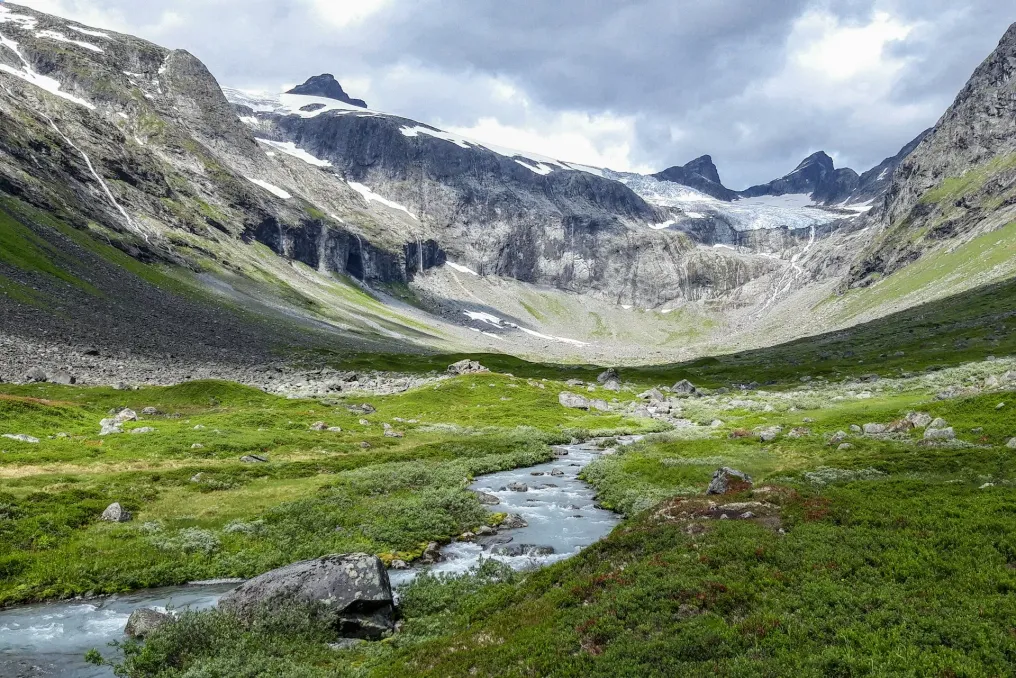
However, when you venture into hiking in Norway, the situation changes drastically: fjords open up below, peaks are covered in snow, waterfalls crash off cliffs, and mountain roads are designed to make you stop every five minutes.

For South Africans who enjoy hiking, driving, and outdoor activities, Western Norway presents an ideal option. You can spend the morning conquering a mountain road, go hiking in the hills during the day, and stay in a fjord cabin in the evening. Essentially, it is the highest level of nature road tripping, only with significantly more waterfalls.

A good starting point is Ålesund, as it is very quick to reach the mountains from the city. The Sunnmøre Alps rise majestically around the fjords, and Hjørundfjord offers scenery that seems underrepresented. It possesses the classic Norwegian combination of deep blue water, steep green mountains, and small settlements nestled in the landscape. This is where the real adventure of the road trip begins.

For South Africans, driving in Norway might feel strangely familiar: there are winding mountain roads, gravel sections, and many opportunities to choose a scenic route. However, there is an important difference for those accustomed to 4x4 style: in Norway, you cannot simply drive off the road and venture into the wilderness. Off-road driving in nature is restricted, so the adventure lies in exploring accessible roads and then hiking.

And frankly, after parking, you won't be bored of places to explore. If you have hiked in the Drakensberg, you will immediately recognize the appeal of the Sunnmøre Alps. There is the same feeling of being surrounded by large mountains, but here the mountains abruptly drop into the fjords rather than gradually transitioning into valleys.

Norway is also excellently equipped for hikers. Trails are often marked and equipped with signs, and red 'T' signs from the Norwegian Trekking Association are widely used on hiking routes. Furthermore, the tradition of free access to nature grants people broad rights to uncultivated land, although local rules and restrictions should be remembered.

But one must not assume that a well-marked trail automatically means an easy hike. The weather in the Norwegian mountains can change rapidly, even in summer. A sunny morning can suddenly become cold, wet, and windy, especially at higher altitudes. If you are used to checking the forecast before hiking in Cederberg or Drakensberg, keep doing it here too.

The golden rule is simple: know your route, know the weather, and don't hesitate to turn back. From Hjørundfjord, head towards Geiranger. Geiranger is one of Norway's most famous destinations, and yes, it can be crowded. But once you get behind the wheel, you will quickly understand why it became famous: the roads climb through the mountains, the scenery constantly changes, and there are viewpoints where you will almost certainly take out your camera.

The secret is not to rush. One of the advantages of traveling through Norway by car is that the journey itself can become part of the adventure. Stop for a short walk. Find a viewpoint. Have lunch by the fjord. Choose a slower road if possible. It is somewhat similar to a South African road trip, except that instead of stopping for biltong or at a farm stall, you can stop by a waterfall.

Trollstigen is probably one of those roads you've seen on Instagram. The famous hairpin bends dramatically ascend through mountains surrounded by waterfalls and huge rock formations. But don't just drive past—take a photo and move on. Use Trollstigen as a gateway to the Romsdalen and Åndalsnes regions, one of the best bases for mountain adventures in Norway. Here you can significantly increase the difficulty of the hike. Routes like Romsdalseggen offer a serious day in the mountains with stunning views of the valley and surrounding peaks.

It is important for South Africans to remember that distance does not tell the whole story. A 10-kilometer hike in Norway is not necessarily comparable to a 10-kilometer hike in the Cape. Altitude gain, rocky terrain, exposure, and weather are what matter. The same applies to a route that looks perfectly manageable on a map. In other words, do not leave common sense at the trailhead.

One thing I particularly like about hiking in Norway is that you don't necessarily have to finish the hike and immediately return to the car. Norway has a long-standing culture of cabins, where mountain refuges and lodges allow tourists to spend several days traveling through the mountains. For South Africans, this is a different approach to hiking: they tend to plan around a specific trail, peak, or campsite. In Norway, the mountains themselves can become the journey.

Camping is another option. Norway's free access rules allow pitching tents on a large number of uncultivated lands under certain conditions, although restrictions vary, and a responsible approach to camping is expected. As a result, it is a country where spending several days in nature is considered a completely normal occurrence.

Continuing towards Strynefjell, you will notice another change in the landscape. Green valleys and fjords give way to a more open alpine environment. There are wide plateaus, rocky peaks, and snowfields, and roads wind through landscapes that seem almost otherworldly. Eventually, you can head towards Jotunheimen, home to some of Norway's tallest mountains. If the first part of the trip was dedicated to combining sightseeing with hiking, here you can make the hike the main event.

Jotunheimen is a place where you can happily leave your vehicle for several days and just hike. Norway is not necessarily better than South Africa for hiking; it is simply completely different. We have our own magnificent mountain landscapes, from Drakensberg to Cederberg and the high peaks of the Cape. But Norway adds another dimension: fjords, glaciers, snowfields, waterfalls, alpine valleys, and a culture of active recreation that makes planning the entire vacation around time in nature incredibly easy.

This also changes the perception of what an adventurous road trip can be. You don't need to spend days wandering remote 4x4 tracks. Sometimes the adventure is just a winding mountain road. Sometimes it's a gravel pass, a ferry across a fjord, or a trail leading into the mountains. And this is what makes Western Norway such a good choice for active recreation lovers from South Africa. The formula is simple: get to a beautiful place, put on your hiking boots, explore until you are tired, find a place to sleep, and repeat tomorrow. Only this time, there will likely be a waterfall involved. And if there isn't, drive another 10 minutes. There probably will be one.

_
Weekend in McGregor: A Blend of Wine, Wellness, and Art
Read more
getaway.co.za

Weekend in McGregor: A Blend of Wine, Wellness, and Art

The small town of McGregor, located in the West Cape, is a secluded place that feels like a secret discovery. This settlement possesses charm, creativity, and a surprisingly unhurried pace of life, making it one of South Africa's most delightful small towns.

If you are looking for a weekend that combines relaxation, adventure, art, and good food, McGregor deserves a spot on your travel itinerary. In the early 1700s, farmers sought suitable land for agriculture, and McGregor offered fertile soil, attracting settlers.

The community was deeply religious, so a church was built there, and the entire village grew around it. Initially, the town was called Lady Grey, but as the settlement grew and expanded, it was renamed in honor of Reverend Andrew McGregor, who was a Dutch Reformed pastor in the Robertson area.

Many old-world characteristics can still be felt thanks to the town's original architecture, as well as the rich traditions and cultures one can encounter in McGregor. If you enjoy historic buildings and landmarks, McGregor will fully satisfy your desires, making you want to spend more time there.

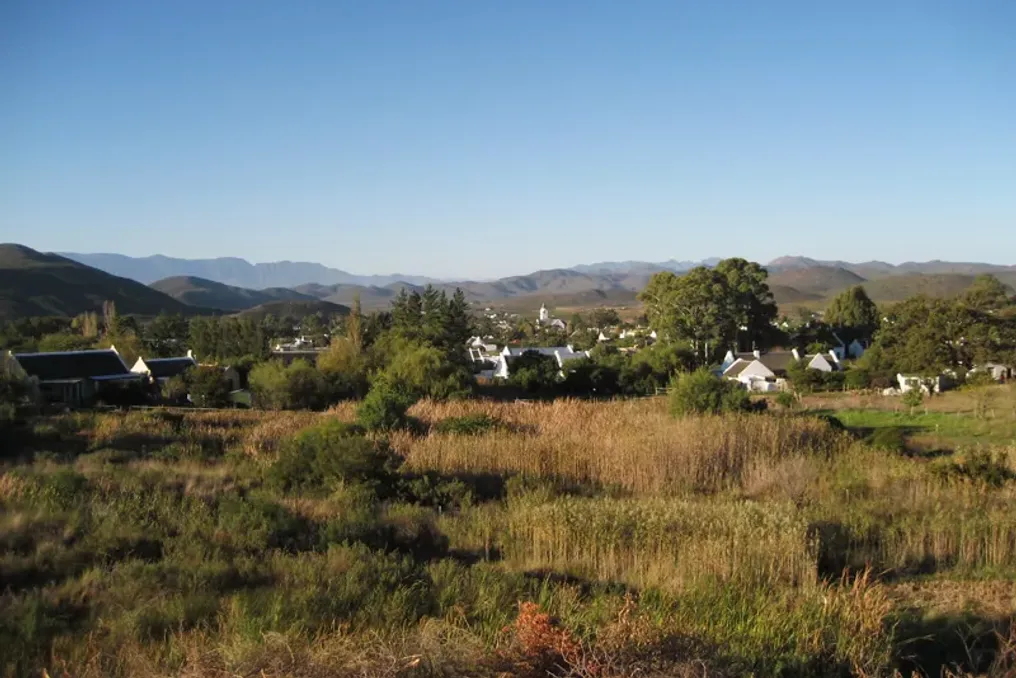
The town beckons the creative side of an artist or poet. Even if you don't consider yourself talented in these areas, this place might convince you otherwise. White houses, thatched roofs, endless flower-filled gardens, and winding roads create an atmosphere as if you have stepped into a 90s romantic comedy.

The village offers accommodation for every taste. For romantics, Maggie’s Gift is suitable, where guests are greeted by a charming passage surrounded by a perfectly arranged flower garden, and the interior blends old-world warmth with modern comfort. For adventure lovers, there is the Red Caboose Train, offering stays in a restored 1941 SAR carriage. Minimalists can choose one or two garden apartments at Blomhuis, which promote slowing down and deep breathing, combining luxury with rustic charm. The renovated Old School building is designed for artists, poets, and writers, offering lush and tranquil gardens, as well as four spacious studios with carefully curated art.

There are many memorable places to stay in McGregor; the choice depends on what version of yourself you bring for the weekend. The town also offers a collection of delightful wines and wine tours. Naturally, where there is good wine, there is also excellent food to accompany it.

McGregor Winery was established in the 1700s and has been around for a long time. Its vineyards stretch across three different river valleys around McGregor, contributing to the formation of unique flavor profiles in the wines. Besides tasting, visitors can assemble their own cheese and meat platters and spend a lazy day.

If you want to immerse yourself in local life, you should visit Bemind Wyne. The owner of this place, Ilze Hutt, produces limited and exclusive wines in her garage. Despite the combination of 'wine' and 'garage,' Hutt has over 20 years of winemaking experience, holding a Bachelor of Science degree in Viticulture and Oenology from Stellenbosch University, having worked in vineyards across the country. Every first Thursday of the month, Bemind Wyne hosts Vetkoek Evenings, bringing together wine, food, and live music.

Blue Crane Bistro at Lord’s Wines is perfect for gourmets and lovers of beautiful settings. The estate combines a carefully selected menu with views of the vineyards and local produce, creating a relaxing dining experience. Whether you come for lunch or stay for dinner under the African sky, you will leave refreshed and satisfied.

McGregor differs from many familiar cities: there are no huge shopping malls or chain stores here. Instead, you will find local businesses, delicate shops, cafes, and bakeries that encourage lingering, as well as rustic restaurants where the sounds of conversation enliven the streets.

When it's time to rest from sightseeing, you can book a table in the courtyard, where the hosts, Steve and Meg van Schaik, have created a very homely atmosphere for dinner.

There are no limits in the field of local art. McGregor Art Circle invites visitors to explore a wide range of galleries and artists through its digital platform. At La Galleria, you can find Danny, whose photographs and fine art prints are displayed there. If you love hunting for vintage items, FOUND is a place where you can find treasures among vintage finds, works of art, local plants, and vintage lampshades.

The beauty of McGregor's creative scene lies in its simplicity: nothing looks overly polished or artificial, but rather alive, personal, and genuinely local.

Although McGregor's artistic focus might give the impression that the village belongs only to artists and poets, this is not the case. For those who cannot sit still for long, there are many activities. You can spend a day cycling in the surroundings, exploring the olive farm, and enjoying tastings at Rhebokskraal Olive Estate, or spending time with rehabilitated donkeys at Eseltjiesrus Donkey Sanctuary. Nature lovers can explore the rocky landscape of Vrolijkheid Nature Reserve, where succulents and dwarf trees grow, and hikers can take the Boesmanskloof Hiking Trail, also known as the Greytown–McGregor hike.

McGregor encourages slowing down, but slowing down does not mean inactivity. It appeals to all versions of you, offering space to discover what you need from the weekend and perhaps from yourself. It is a place that easily combines adventure, art, and relaxation within one magnificent landscape.

Popular