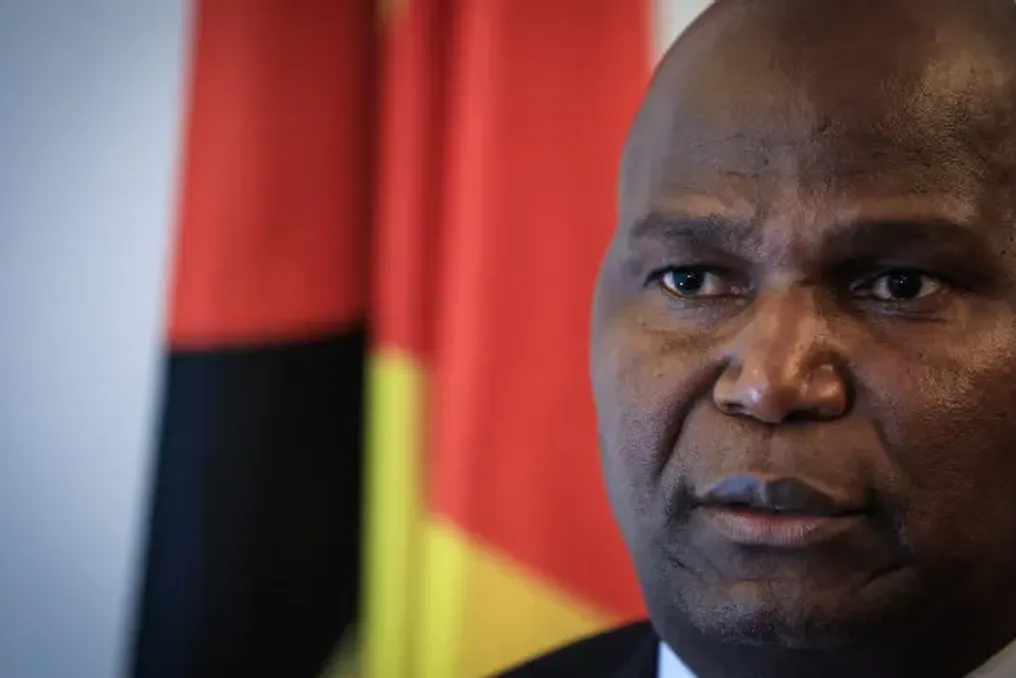
The President of Mozambique, Daniel Chapo, stated that gender-based violence is a serious social problem that must be overcome in all spheres of society—in families, communities, schools, workplaces, and everywhere. He emphasized the need to involve men in this fight.
These words were spoken by the head of state in Maputo at the opening of the Eighth National Conference on Women and Gender. The event will last two days and brings together national institutions as well as international and regional partners for high-level dialogue.
Chapo reported that to achieve the set goals, the government will continue to support women's entrepreneurial initiatives with financial resources. The aim of these measures is to strengthen mechanisms for protecting women and ensure the continuation of girls' education, which, in his opinion, is the path to reducing gender inequality and combating poverty.
The President called on all segments of society—families, communities, traditional and religious leaders, schools, judicial bodies, police, civil society, mass media, as well as men and girls—to make 'zero violence' a national goal.
He also promised that the government will continue to invest in women's professional training, employment, entrepreneurship, access to land, financial inclusion, markets, technologies, and value chains, as empowering women means increasing their income, freedom, and the right to make decisions about the resources they produce, as well as strengthening their voice in the family and society.
According to the head of state, in 2025, the national education system covered more than 9.7 million students, of whom 49.4% were girls, bringing the country closer to parity in educational access. In the health sector, the institutional birth rate reached 90.7% last year. Access to justice increased from 37% in 2024 to 40.4% in 2025, and access to productive resources and financing programs reached 41.6%, leading to the issuance of over 10 thousand individual land titles in 2025. Furthermore, 39.2% of parliamentarians and 30% of government members are women.
Despite these indicators showing progress in women's protection, Chapo noted that there is still a long way to go.
Within the same conference, Chapo stated that Mozambique supports the African Union's initiative for the financial and economic integration of women and youth (WYEI 2030) and requested the creation of a national Mozambican section within this program. This section should serve as a tool for mobilizing funding, creating opportunities, exchanging knowledge, bringing institutions closer, and eliminating barriers hindering the participation of women and youth in the economy.
He expressed hope that this initiative will help form and strengthen a national platform for women, uniting existing networks, Mozambican entrepreneurs, producers, young women entrepreneurs, financial institutions, the private sector, academic circles, the state, and partners. At the same time, he called for the creation of a global network focused on social justice, zero violence, and poverty eradication for girls and women.