Last week, the metals market once again split into two distinct narratives. Precious metals demonstrated volatility: geopolitical tensions and rising oil prices should support demand for safe-haven assets, but higher oil prices simultaneously increase inflation risks and raise the probability of tighter measures from the US Federal Reserve.
Industrial metals appear more resilient due to low inventories, supply disruptions, and stable demand from the energy sector, infrastructure, and artificial intelligence.
Gold is trading at approximately $4390 per ounce, while silver holds around $66 per ounce. Both metals continue to be influenced by contradictory market signals. Initially, expectations of Federal Reserve policy easing provided support at the beginning of the week, but subsequent strong US labor market data and rising oil prices have once again raised expectations of a September rate hike.
This is an unfavorable combination for gold and silver: demand for safe-haven assets remains, but higher yields and a stronger dollar limit their growth potential.
US inflation data has become the main focus for precious metals. Investors await consumer and producer price index data to assess how seriously the Federal Reserve is prepared to tighten policy at the upcoming meeting. If inflation proves persistent, gold and silver may once again face selling pressure. Conversely, if the data comes in weaker than expected, the market may find grounds to restore some demand for safe-haven assets.
Platinum and palladium also remain highly volatile. Platinum is trading at approximately $1830 per ounce, and palladium is around $1350 per ounce. Platinum shows greater resilience due to forecasts of supply shortages and demand from hybrid vehicles, where platinum group metals are still necessary for catalytic systems. Palladium is showing weaker results: in the long term, it continues to face pressure from the growing share of electric vehicles and the gradual replacement of palladium with platinum in automotive catalysts.
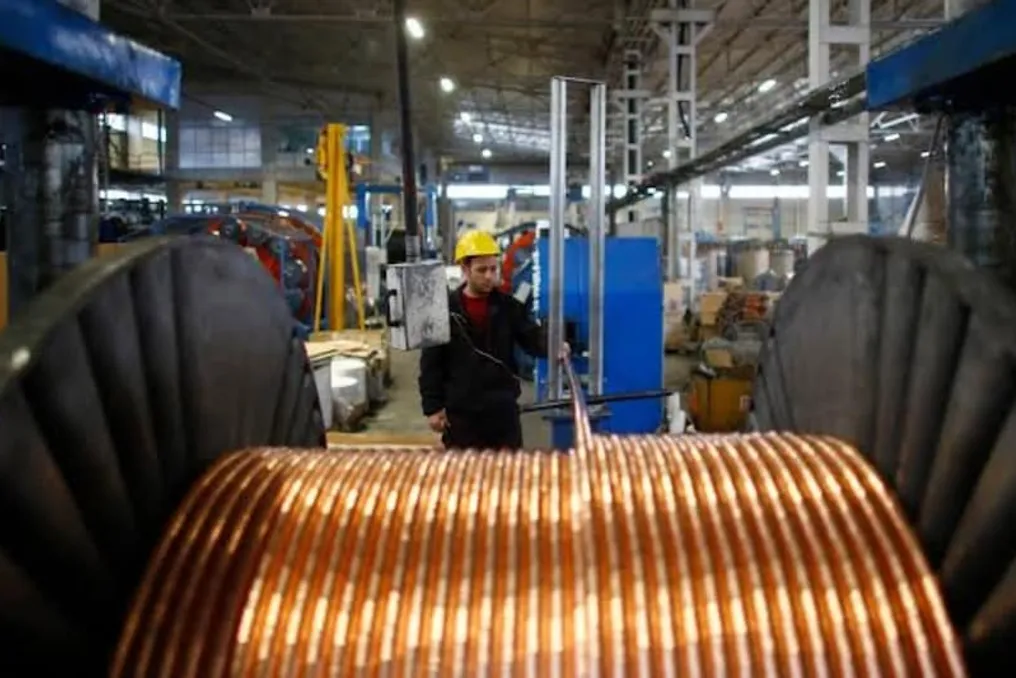
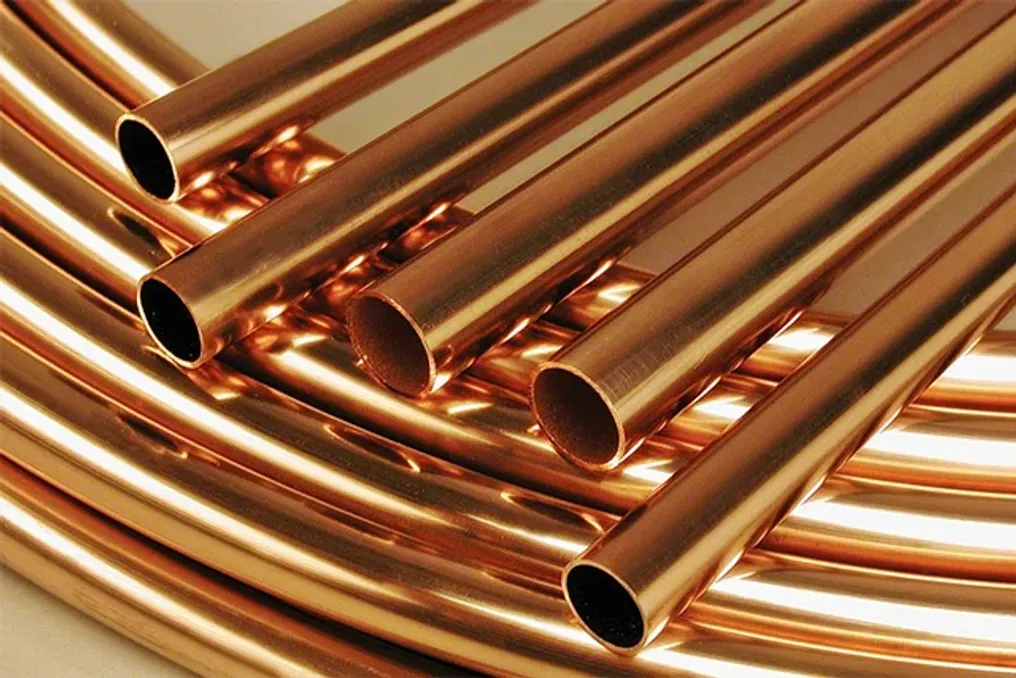
Copper has once again become a central theme in the industrial metals segment. Prices have exceeded $6.70 per pound, effectively returning to record levels. The market is supported by several factors simultaneously: expectations of possible US import tariffs, the inflow of metal into US warehouses, and reduced available supply in other regions. Long-term demand from data centers, power grids, artificial intelligence, and the energy transition provides additional support. As a result, even after periodic dips, copper remains one of the best-performing metals of the year.
Zinc has also entered the list of weekly leaders. Its price rose almost to $4000 per ton, reaching its highest level in over four years. In this case, the market is reacting not to attractive long-term scenarios, but to an actual shortage of readily available metal. LME inventories are declining, the proportion of cancelled guarantees remains high, and disruptions at mines and among producers intensify the perception of a tight market. Under these conditions, buyers seek to secure their needs in advance, which provides additional support to prices.