
Important Rules for Pitri Amavasya 2026: What to Avoid to Prevent Pitridosh
Read more
Aaj Tak
www.aajtak.in

Important Rules for Pitri Amavasya 2026: What to Avoid to Prevent Pitridosh

Pitri Amavasya 2026 will be observed on September 10th. This date, which is the Amavasya of the Bhadrapada month, holds deep religious and spiritual significance in Hinduism. In addition to being known as a time when mothers observe fasts for the longevity and well-being of their children, it is also considered extremely auspicious for performing Tarpan, Pinda, and Dana-punya for ancestors.

Even a small mistake on the day of Pitri Amavasya can cause ancestral displeasure, potentially leading to the occurrence of Pitridosh in the home. Therefore, it is crucial to adhere to a number of specific rules on this sacred day. Below are the mistakes that should be avoided.

Using Spoiled Dough and Food Errors

It is strictly forbidden to use old or previously kneaded dough stored in the freezer. Such spoiled dough is believed to amplify the negative influence of Rahu and Ketu and is equated to 'Pinda,' which provokes the anger of ancestors.

Not Performing Tarpan for Ancestors and Ignoring Timing

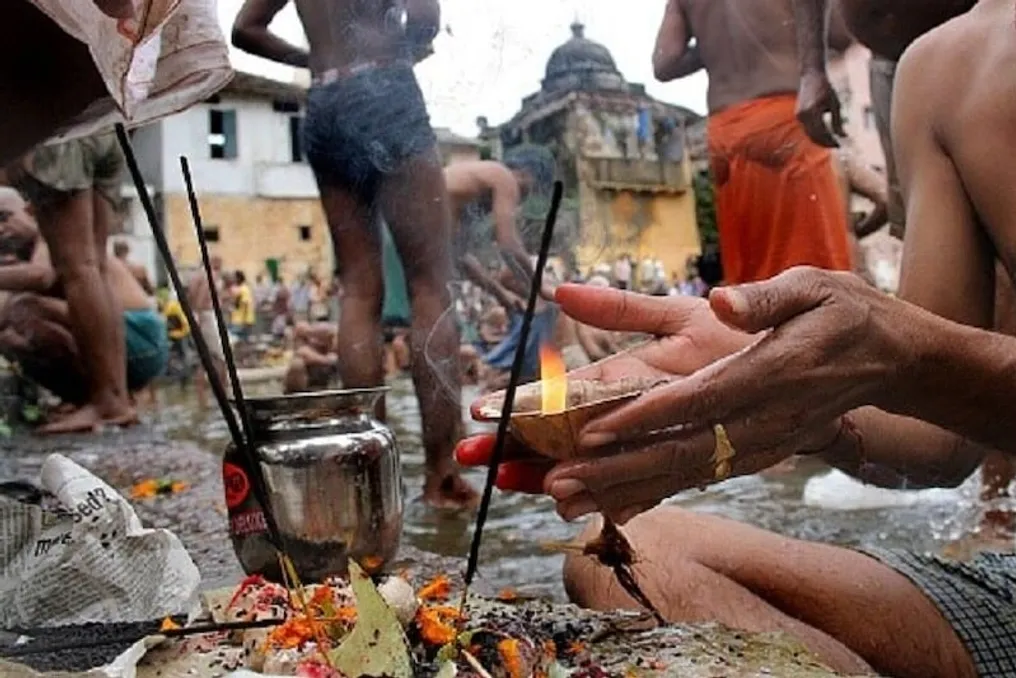
Tarpan or offerings to ancestors should only be performed during the daytime, known as Kutup Kal. Performing Tarpan too early in the morning or too late in the evening is considered prohibited. When lighting the lamp for Tarpan or during the ritual, the face must always be turned towards the south direction, as it is considered the direction of the ancestors.

Neglecting Guests or Animals at the Entrance

The first meal prepared in the house on this day is not intended only for humans. If a portion of the food is not allocated for Gai (cow), crows, dogs, deities, and ants (Panchbali), the Sharaddha Puja ritual is considered incomplete. Furthermore, if a beggar, Bhikshu, or animal comes to your house, you must definitely give them food or water; insulting them directly leads to Pitridosh.

Rules Related to Uprooting Tulsi Leaves and Kush Grass

It is strictly forbidden to pluck Tulsi leaves on the day of Amavasya. For worship, Tulsi leaves should be collected the day before. If you are collecting 'Kush' (sacred grass) for year-round rituals, do not uproot it without chanting mantras or using iron tools.

Family Fights and Tamasic Behavior in the Home

The atmosphere in the house on Pitri Amavasya should be calm and filled with devotion. Ancestral displeasure arises from disrespecting senior family members or internal disputes. It is also strictly forbidden to consume meat, alcohol, cigarettes, or any other tamasic substances on this day.

A Simple Way to Protect Against Pitridosh

To protect against Pitridosh, light a lamp made of sesame oil at the main entrance of the house and under the peepal tree in the evening, facing the south direction, and ask forgiveness from the ancestors for your mistakes. Performing this ritual pacifies the ancestors and allows them to maintain their blessings over the family.
Similar stories

Pitri Amavasya Date in 2026: Information on Auspicious Times for Bathing and Memorial Rituals
Read more
www.aajtak.in

Pitri Amavasya Date in 2026: Information on Auspicious Times for Bathing and Memorial Rituals

The Amavasya of the Bhadrapada month is known as Kushagrahani Amavasya, also called Pitri Amavasya. This day is considered exceptionally important for performing memorial rituals and appeasing ancestors. The use of Kush is also considered very auspicious on this day.

The Vedas and Puranas emphasize the special significance of Kush during worship and the performance of ancestral memorial rites. There is a belief that Kush collected on Kushagrahani Amavasya can be stored throughout the year and used in religious practices, worship, and rituals.

Pitri Amavasya Date 2026

According to Drik Panchang, the date of Pitri Amavasya will begin on September 10th at 10:33 AM and end on September 11th at 8:56 AM. Therefore, Pitri Amavasya will be observed on September 10th.

Auspicious Time for Bathing and Offerings on Pitri Amavasya 2026

The time for bathing and making offerings on Pitri Amavasya is scheduled from 4:31 AM to 5:17 AM.

Pitri Amavasya Ritual

On this day, mothers observe a fast for the longevity and well-being of their children, taking a bath before sunrise and making a vow. Symbolic figures of 64 Yoginis and Saptamatrikas are created from rice flour (pit) for worship. These figures are placed on an altar covered with red cloth, and after worshipping Ganesha, they are offered roli, turmeric, kumkum, durva, red flowers, and items from wedding ceremonies. Then, offerings of dishes made from dough and kisha are made, followed by reading the story of Pitri Amavasya, and finally, after Aarti, food, clothing, and gifts are presented to elder women and Brahmins as a sign of receiving blessings for the protection of descendants.

Why is Kush Used in Worship and Practice?

Kush is used not only during worship but also as a seat. It is believed that when a person meditates or chants mantras, spiritual energy circulates in their body. A cushion made of Kush helps prevent this energy from leaking into the ground, which is why it is valued in meditative practices and religious activities.

The Connection Between Kush and Lord Vishnu

There is a mythological story explaining the high sanctity of Kush. According to the Matsya Purana, when Lord Vishnu took the avatar Varaha, hair fell from his body, which became the source of Kush. This is why Kush is considered extremely sacred, and the tradition of its use in religious purposes began because of this.

It is also considered auspicious on Kushagrahani Amavasya to water the peepal tree. In many places, there is a tradition of lighting a lamp near the peepal tree to appease ancestors. If a person's natal chart indicates defects related to Shani or Rahu, they may perform Jalabhishek Shiva according to their faith and family traditions.

Janmashtami 2026 Celebration Information: Absence of Bhadra and Panchaka Influence, Time for Worship and Rahukala
Read more
www.aajtak.in

Janmashtami 2026 Celebration Information: Absence of Bhadra and Panchaka Influence, Time for Worship and Rahukala

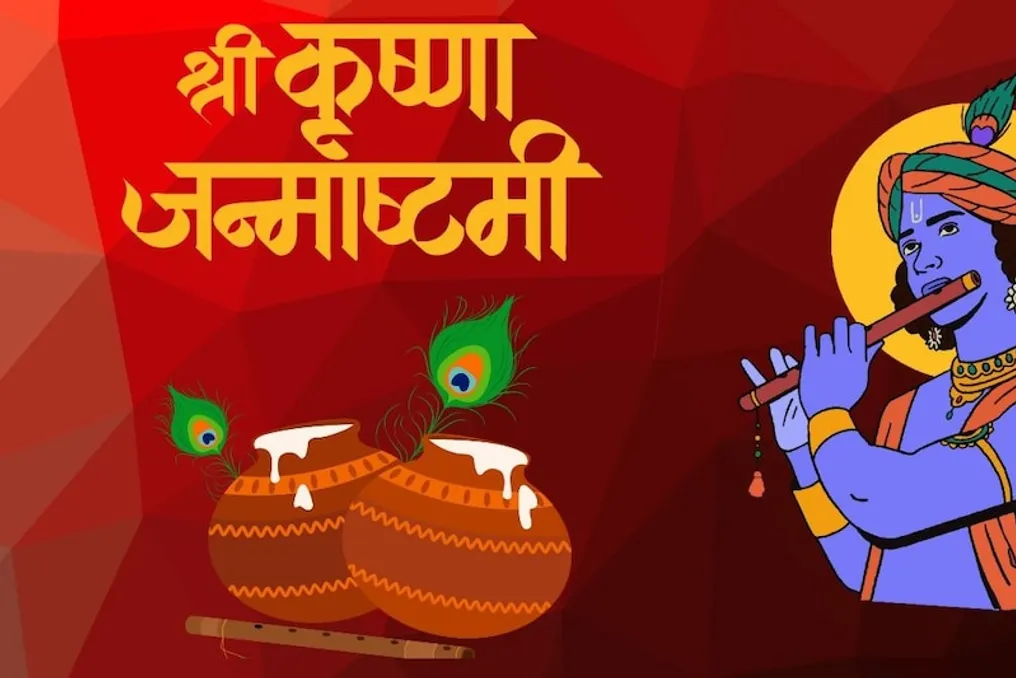
The awaited time for celebrating Janmashtami 2026 has arrived. Today, September 4th, the birthday of Kanha is being celebrated across the country. In temples and homes, the child form of Lord Krishna is decorated, and preparations are made for the midnight celebration.

This year is special because Ashtami Tithi coincides with the Rohini Nakshatra conjunction. According to religious beliefs, Lord Krishna was born precisely during Ashtami Tithi and in the Rohini Nakshatra.

On this day, the influence of Bhadra and Panchaka will not have the serious impediment that might be considered a major obstacle to conducting rituals of worship to Krishna. Because of this, followers can perform worship of Lord Shivaji at night. Nevertheless, it is recommended to consult the local panchang of your city to clarify the timing.

The main Janmashtami worship takes place around midnight. For the Delhi-NCR region, the Nishita Puja time is set approximately from 23:57 to 00:43. During this period, devotees can perform rites such as celebrating the birthday of Bala Gopal, bathing, and worshipping.

Ashti Tithi will last from the night of September 4th until the middle of the night of September 5th. According to the panchangas, the Rohini Nakshatra will be active until approximately 23:00 on September 4th.

The Rahukala time changes depending on the location. Therefore, before starting any auspicious deed or special worship on this day, one must check the Rahukala in the panchang of their city. This is especially important when preparing for daytime rituals, during which this period should be avoided.

At night, the child form of Lord Krishna should be bathed in Panchamrit. After this, He is dressed in yellow garments, adorned with a peacock feather and flowers. Mahana-misri, milk, yogurt, and fruits are offered to God as sacrifice. Aarti and conch sounding take place at midnight after Krishna's birth.

If there is a Laddu Gopal at home, the birthday can also be celebrated by decorating a swing for Him.

Breaking the Janmashtami fast occurs according to various traditions and panchangas. In some places, it is customary to break the fast after Nishita Puja, whereas according to Dharmic calculations, the time to break the fast is considered after sunrise the next day. Consequently, fasting devotees should follow their regional panchang.

The day after Janmashtami, which is September 5th, events related to Dahi Handi and Krishna's childhood games will take place in many places. On this day, special importance is given to the worship and celebration of the child form of Lord Krishna.

Popular