According to the Central Bank's data, Uzbekistan's gold and foreign exchange reserves increased by almost $7.8 billion on September 1, reaching $72.13 billion, which represents a 12.1% growth compared to the previous figure of $64.35 billion.
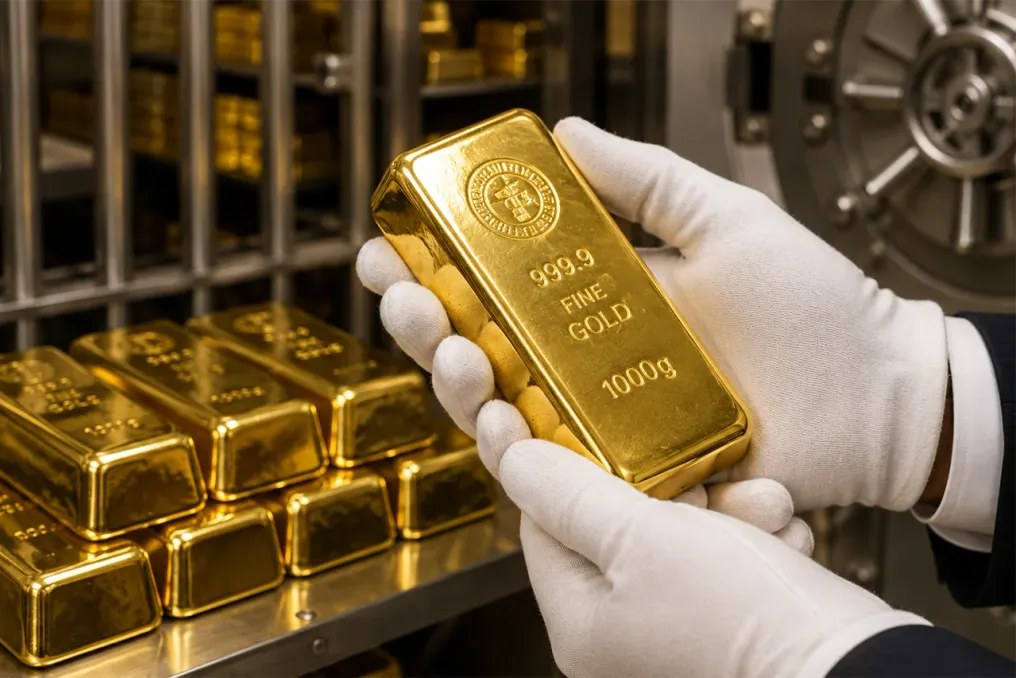
The main reason for this increase was the significant rise in the value of the gold reserve, which occurred against the backdrop of increasing precious metal prices and a simultaneous increase in its physical volume.
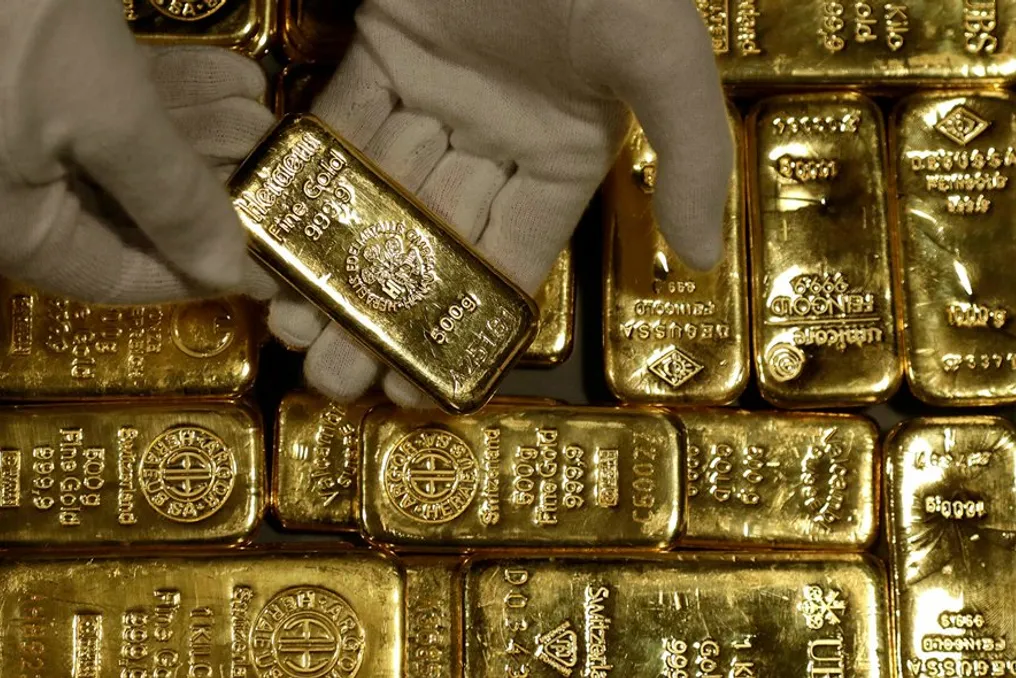
The value of gold in the reserves grew by $8.81 billion in August, rising from $56.12 billion to $64.93 billion. At the same time, the physical volume of gold also increased by 258.9 thousand troy ounces, equivalent to approximately 8.05 tons, bringing the total volume from 13.85 million to 14.11 million troy ounces (approximately 438.9 tons). This figure is a record for all statistics maintained since 2013, and the share of gold in the reserves reached 90%.
Thus, the Central Bank was able to increase its physical gold reserves again after a slight reduction in July, which amounted to about 0.94 tons. According to the Central Bank, the price of gold in August rose from $4052.2 to $4602 per troy ounce, representing an increase of approximately 13.6% and contributing to the $7.8 billion increase in reserve value.
In August, global gold quotes showed growth after a period of decline, driven by several factors. Among them were the weakening dollar caused by currency interventions by the US and Japan to support the yen; the decrease in yields on US government bonds amid plans by the US Treasury Department to increase their purchases; and the ongoing geopolitical tension in the Middle East. Additional demand for gold was provided by exchange-traded funds, which resumed active buying at the end of July.
Conversely, the foreign currency component of international reserves noticeably decreased. The volume of foreign currency reserve assets fell by approximately $1.02 billion, dropping from $7.65 billion to $6.64 billion. The securities portfolio showed a slight increase—only $3.4 million, reaching $1.766 billion. It should be noted that in July, this portfolio decreased by approximately $1.1 billion, which accounted for almost 40% of the volume of $2.86 billion, and this was the first time since securities were included in the reserve structure.
Previously, the Central Bank explained the high share of gold in international reserves with its conservative approach to asset management. Nevertheless, the regulator is taking steps to gradually diversify these reserves, aiming to reduce dependence on fluctuations in precious metal prices. International reserves serve as a tool for the country's financial stability, ensuring the ability to cover external obligations, support the currency market when necessary, and finance vital imports during periods of external shocks.