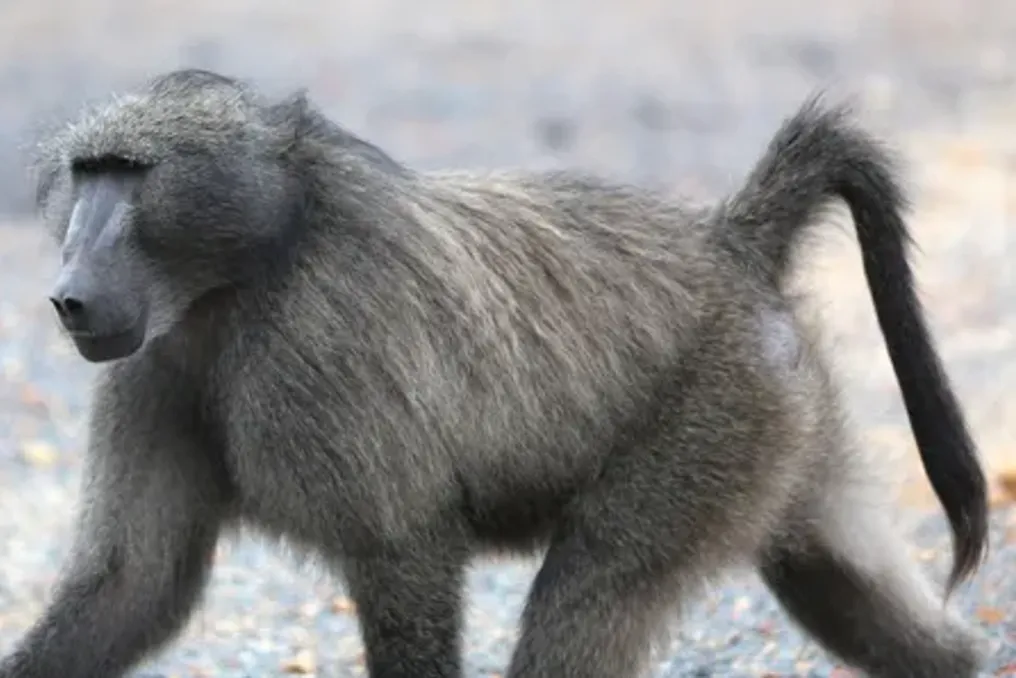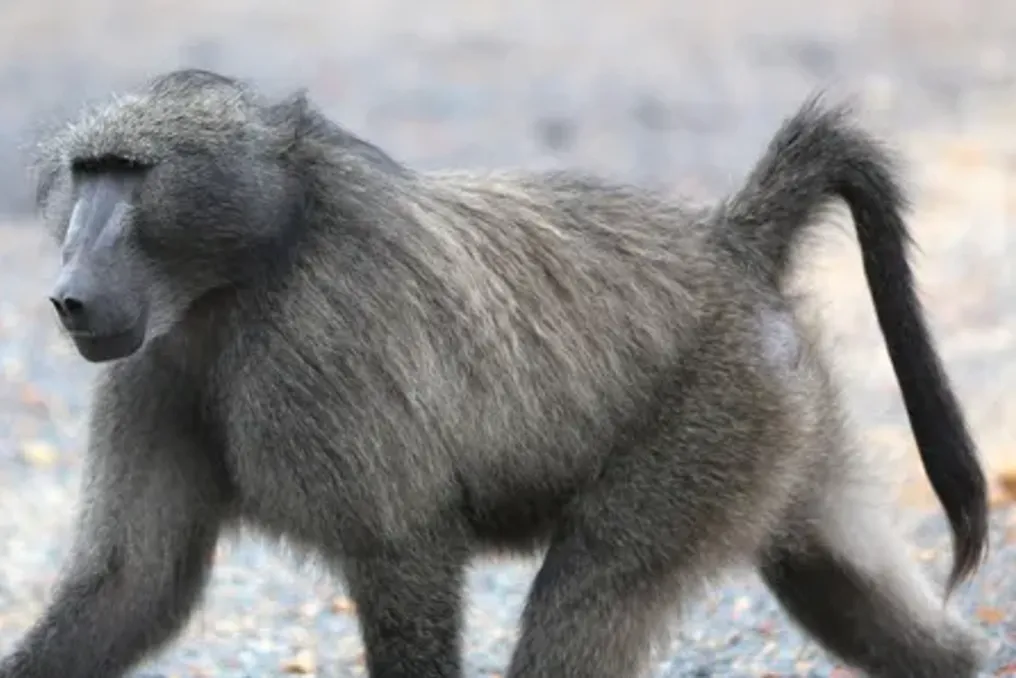
In several affected areas of the Cape Peninsula, bins resistant to baboons will begin to be installed while preparations are underway for the erection of a new northern enclosure.
Residents of the False Bay South area should receive thousands of such bins this month as plans for the construction of the new northern barrier approach realization.
The Cape Peninsula Baboon Management Task Team (CPBMJTT), which includes SANParks, CapeNature, and the City of Cape Town, reported that the first 2200 of 6000 lockable bins will be delivered from mid-September.
The initial deployment will focus on locations where baboon activity and conflicts with residents have been most frequently recorded.
The first areas to receive the new bins include Plateau Road, Castle Rock, Heron Park, Murdoch Valley South, De Oudteweg, Da Gama, Capri, Welkom Glen, Scarborough, Tokai East, and Fir Grove. Residents in these priority zones will exchange their existing bins for lockable models.
It is required that a resident or their representative signs documents confirming receipt of the new bin, and residents were advised to mark it with their street number. CPBMJTT clarified that other communities affected by baboon activity will receive bins as they become available. Simons Town is excluded from the initial phase because the Clifford and Waterfield troops are intended for redeployment to the planned Urban Wildlife Centre.
Preparations are also underway for the creation of the northern fence, which will run from Zwanstwyk south to Constantia Nek. According to CPBMJTT, the process should commence later in September after administrative approvals and environmental checklists are completed.
The task team stated that the goal of this fence is to prevent baboons from entering urban areas and agricultural lands on the northern part of the peninsula while ensuring habitat for approximately 250 baboons.
A memorandum of understanding was signed between seven vineyard landowners bordering Table Mountain National Park in the Constantia Valley, the Cape Baboon Partnership, and the City. This agreement outlines shared responsibilities for the construction, maintenance, and long-term operation of the fence. The landowners and the Baboon Partnership will jointly bear the costs of construction and upgrades, while the City will provide a one-time contribution of 10 million rand. Future maintenance will also be shared and will include scheduled inspections, repairs, and the creation of firebreaks.
CPBMJTT forecasts that construction will take about six months if all goes according to plan. After the fence is installed, rangers will direct CT1 and CT2 teams to the mountain slope and continue monitoring groups and patrolling the fence. The task team emphasized that the fence is part of the approved Cape Peninsula Baboon Management Strategic Plan and is intended to create a clearer boundary between Table Mountain National Park and adjacent agricultural and residential areas.
The Clifford and Waterfield troops in Simons Town are expected to be redeployed after the commissioning of the Urban Wildlife Centre and completion of necessary procedures. This centre is being developed on land owned by the City on the Cape Peninsula. The Cape Baboon Partnership has appointed an experienced reserve manager, and stakeholders, conservation groups, public representatives, and residents have visited the site over the past two months. According to CPBMJTT, feedback from these visits has been positive.
The University of Swansea's research project concerning the Da Gama group concluded on August 21. The study used non-invasive methods, including olfactory, auditory, and visual signals, to study baboon reactions to simulated threats. The collars used during the study were designed to be self-releasing and have now been collected. Data analysis is currently underway, and results are planned to be published upon completion of the study.
The Cape Baboon Partnership continues to provide baboon management ranger services, a baboon hotline, as well as public relations and education services. CPBMJTT noted that the long-term goal of the management plan is to maintain a healthy, sustainable population of free-ranging baboons with minimal human intervention and reduced human-baboon conflict.