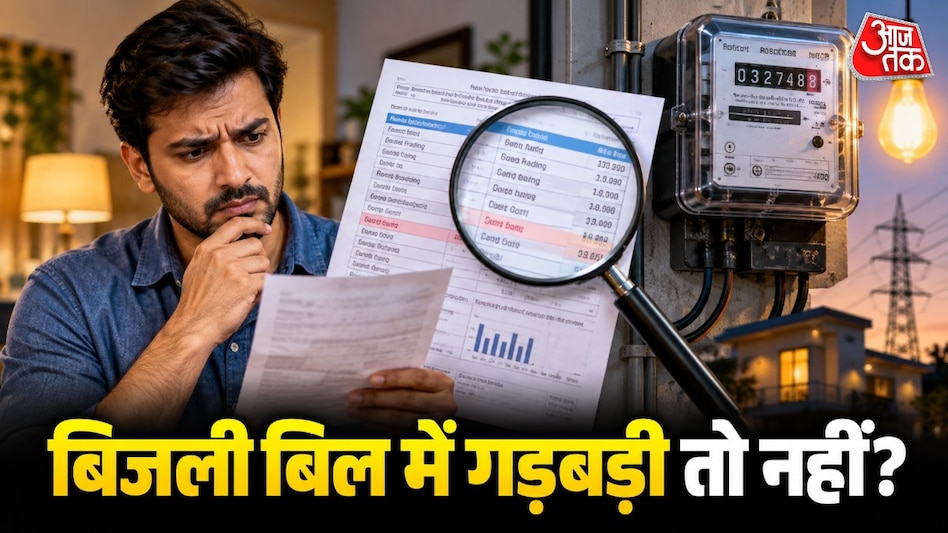
When receiving the monthly electricity bill, most people simply look at the final amount and pay it without checking if the meter reading matches the data in the bill. However, it is crucial to ensure that your bill reflects the correct meter readings, as well as to check the connection category and registered load. Checking these small details will help you understand whether your bill is accurate. Often, a situation arises where the amount on the paper bill is less than what is displayed during online verification, and it is necessary to understand the reasons for this discrepancy.
When reviewing the bill, you should pay attention to several key elements. The top of the bill indicates the name of the electricity distribution company and relevant billing information, including the Bill ID and Account ID. The bill ID may change with each new invoice, while the account number usually remains unchanged. The date of issue, month and year of issuance, and the basis for issuing the bill (Bill Basis) are also indicated. If the meter status is listed as normal, the bill may have been compiled based on actual meter readings. Next, consumer data is provided: name, address, mobile phone number, account number, and connection information. If your phone number or email address has not been updated on the bill, it is useful to contact the relevant power supply authority to make changes.
It is also necessary to check the registered load and connection category. The bill specifies the load of your connection, which allows you to find out what load is approved for your connection. Furthermore, the bill indicates the connection category. Typically, the 'Domestic' category is used for household connections, while other categories may apply to shops and other non-domestic connections. Since electricity tariffs vary depending on the category, this is an important point to check.
It is critically important to check the meter status when reviewing the bill. This status indicates whether the meter is in normal condition or if any problem has been detected. The bill also provides previous and current meter readings. The difference between these two readings shows how many units of electricity were consumed during the billing period. You can compare the readings displayed on your home meter with the current readings specified in the bill. If a significant discrepancy is found, it is best to immediately file a complaint with the energy department.
There is a possibility that the meter reader made incorrect readings during the visit instead of recording them on site. In such a case, the bill may be issued with an excess or insufficient amount compared to the actual consumption. Therefore, after receiving the bill, you should not only look at the amount. It is essential to compare the current meter readings with the readings specified in the bill. If any inaccuracy is found, you should file a complaint in a timely manner.
Some consumers complain that the amount on the paper bill is less than what is displayed during online verification or when paying at the power utility office. This may be due to various charges, unpaid balances, or payments such as ACD (Advance Consumption Deposit). Consequently, if you see a difference in amounts, the most reliable way is to request clarification directly from the department.
The bill also indicates the payment deadline, or Due Date. It is recommended to try to pay the bill before the specified date. A delay may incur additional fees or surcharges according to current regulations. The bill also contains information on how to contact the energy department if there are any claims. The consumer can report a bill problem through the relevant local authority or available channels for filing complaints.
To check your bill before paying it, you need to perform a number of important checks. First, ensure that your account number and connection category are correct. Then, check the sanctioned load, meter status, the difference between previous and current meter readings, and the volume of electricity consumed for the current month. You should also check if there are any outstanding balances from old bills, how much needs to be paid this month, and what the bill's due date is. If you are viewing the bill online, compare the amount displayed there with the amount on the paper bill. If you notice any inconsistencies in any of this data, it is best to get clarification from the energy department before making the payment.